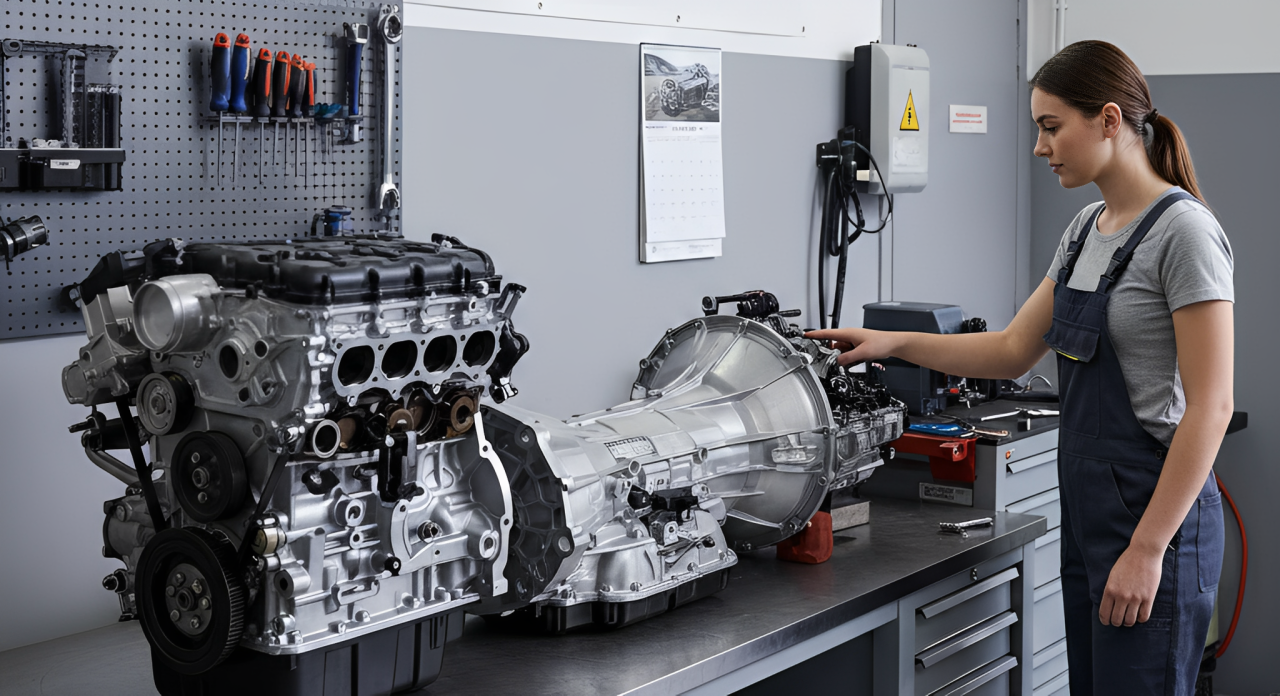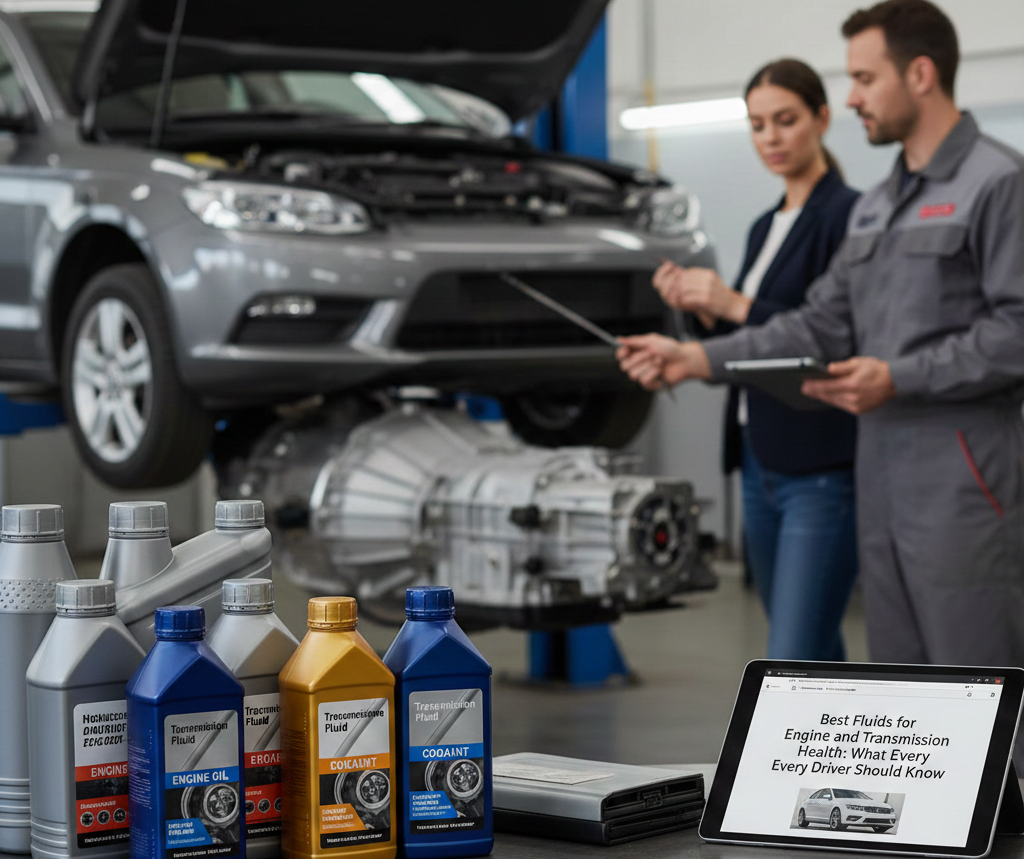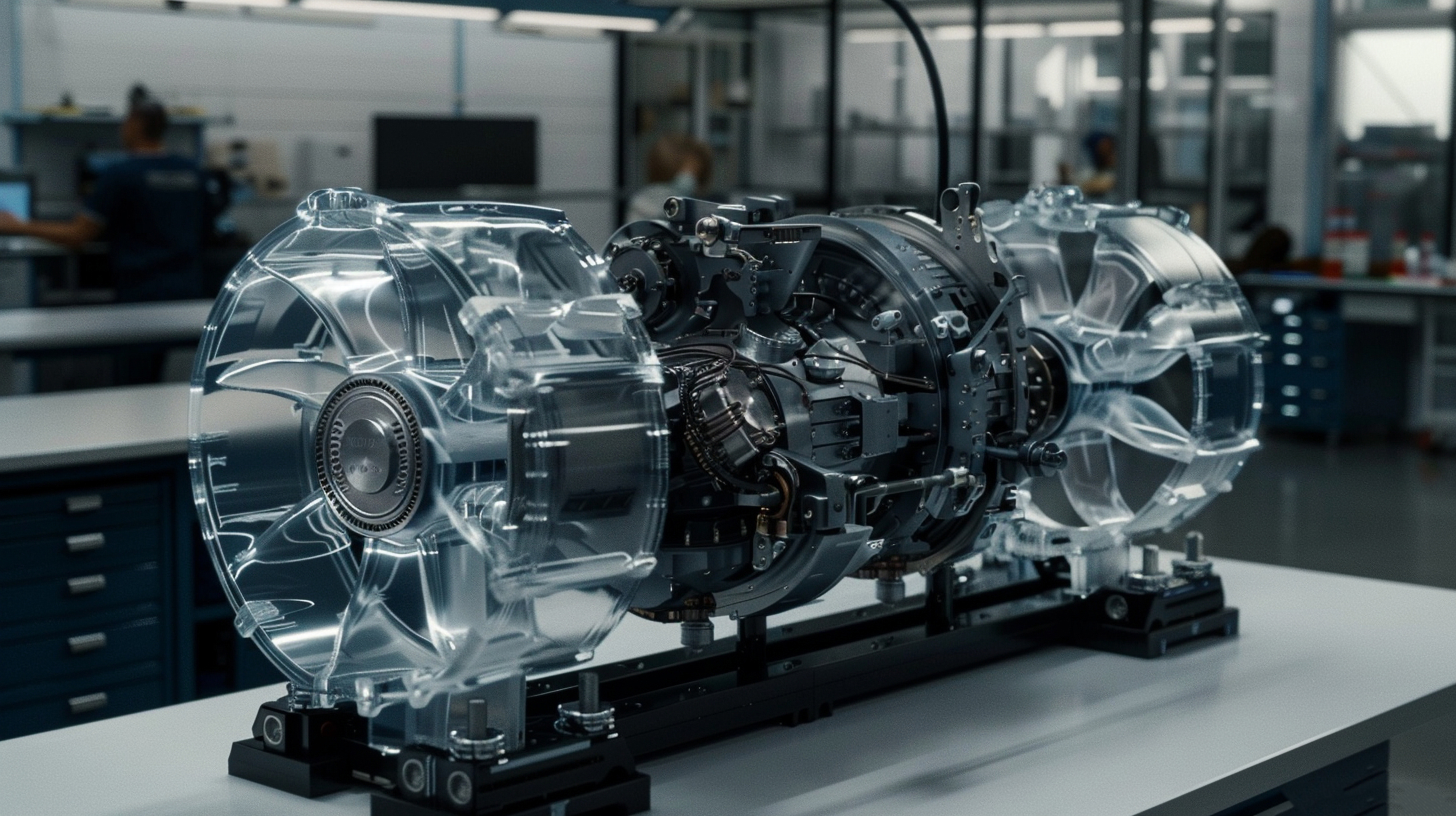


Your car’s engine and transmission are like the heart and brain of your vehicle. They control power, movement, and efficiency - and they rely heavily on one thing to stay alive: fluids. Ignore them, and problems creep in quietly. Pay attention, and your car can reward you with years of smooth, reliable performance.
Many drivers focus on fuel and forget about the fluids that actually keep everything moving. Engine oil, transmission fluid, coolant, and other essential fluids don’t just “exist” in your car - they work constantly under heat, pressure, and friction. Knowing which fluids matter, which ones to use, and when to change them can save you from breakdowns and expensive repairs.
This guide breaks down the best fluids for engine and transmission health, why they matter, and what every driver should know to keep their vehicle running strong.
Fluids are your car’s silent protectors. They lubricate, cool, clean, and protect vital components that would otherwise grind themselves into scrap metal.
Without proper fluids:
1. Engine parts overheat and wear out
2. Transmissions shift poorly or fail
3. Internal components corrode
4. Efficiency drops
Think of fluids as the blood in your vehicle’s body. If the blood is dirty or low, everything suffers.
Engine oil is the most critical fluid in your vehicle. It lubricates moving parts, reduces friction, prevents overheating, and helps keep the engine clean.
1. Conventional oil: Affordable but breaks down faster
2. Synthetic oil: Better performance, longer lifespan
3. Synthetic blend: A balance of cost and protection
Modern engines often require synthetic oil because it withstands high temperatures and stress better.
Always follow your manufacturer’s recommendations for:
1. Viscosity (such as 5W-30)
2. Oil type
3. Service intervals
Using the wrong oil is like wearing the wrong shoes for a marathon - it might work for a while, but damage is inevitable.
Transmission fluid keeps gears shifting smoothly, reduces heat, and prevents wear. Unlike engine oil, transmission fluid also acts as a hydraulic fluid.
1. Automatic Transmission Fluid (ATF): Designed for hydraulic pressure and cooling
2. Manual Transmission Fluid: Often thicker, designed for gear protection
Some vehicles use specialized fluids like CVT or dual-clutch transmission fluids. These are not interchangeable.
Old or contaminated transmission fluid can cause:
1. Hard or delayed shifting
2. Slipping gears
3. Overheating
4. Premature transmission failure
A transmission repair can cost thousands, making proper fluid maintenance one of the smartest investments you can make.
Coolant, also known as antifreeze, regulates engine temperature and protects against corrosion.
1. Absorbs engine heat
2. Prevents freezing in cold weather
3. Protects internal metal surfaces
Modern vehicles use specific coolant formulas, often labeled by color. Mixing the wrong types can reduce effectiveness or cause damage.
Power steering fluid makes steering smoother and easier by reducing friction and wear in the steering system.
Low or dirty power steering fluid can lead to:
1. Whining noises
2. Stiff steering
3. Premature pump failure
Some newer vehicles use electric power steering and don’t require this fluid, so always check your owner’s manual.
Brake fluid transfers force from your brake pedal to your wheels. It must withstand extreme heat and pressure.
Over time, brake fluid absorbs moisture, which can:
1. Reduce braking performance
2. Cause corrosion
3. Lead to brake failure
Regular brake fluid checks and changes are essential for safety.
If your vehicle is rear-wheel drive, all-wheel drive, or four-wheel drive, differential and transfer case fluids are crucial.
These fluids:
1. Lubricate gears
2. Handle heavy loads
3. Reduce heat and friction
Neglecting them can lead to noisy operation and costly drivetrain damage.
There’s no one-size-fits-all answer. Fluid change intervals depend on:
1. Driving habits
2. Climate
3. Vehicle design
4. Fluid type
As a general rule:
1. Engine oil: Every 5,000–10,000 miles
2. Transmission fluid: Every 30,000–60,000 miles
3. Coolant: Every 30,000–100,000 miles
4. Brake fluid: Every 2–3 years
Always follow manufacturer guidelines for best results.
Your car often tells you when something’s wrong - you just need to listen.
Watch for:
1. Burning smells
2. Fluid leaks
3. Warning lights
4. Rough shifting
5. Overheating
Catching fluid issues early can prevent major repairs later.
OEM fluids are designed specifically for your vehicle, while aftermarket fluids are more generalized.
OEM fluids offer:
1. Guaranteed compatibility
2. Manufacturer approval
3. Reduced risk of system issues
High-quality aftermarket fluids can work well too, but they must meet or exceed OEM specifications.
Synthetic fluids are engineered for performance and longevity.
Benefits include:
1. Better temperature stability
2. Longer service intervals
3. Improved fuel efficiency
4. Reduced engine wear
While they cost more upfront, they often save money long-term.
Some fluid changes are DIY-friendly, like engine oil. Others, such as transmission or brake fluid services, often require professional tools and expertise.
If you’re unsure, it’s safer to let a professional handle it. Mistakes with fluids can be expensive.
Fluid maintenance is preventative care. It’s far cheaper to change fluids regularly than to replace engines or transmissions.
Spending a little now avoids spending a lot later.
1. “Lifetime fluids never need changing.” Not true. Fluids degrade over time.
2. “All fluids are the same.” They’re not. Using the wrong fluid can cause damage.
3. “If it’s not leaking, it’s fine.” Fluids can degrade without leaking.
Understanding these myths helps you make smarter decisions.
Fluids are the unsung heroes of engine and transmission health. From engine oil to transmission fluid, coolant, and beyond, each fluid plays a vital role in keeping your vehicle reliable, efficient, and safe. Choosing the right fluids and maintaining them properly isn’t just good practice - it’s essential.
By staying informed and proactive, you protect your car’s most expensive components and extend its lifespan. In the long run, clean, high-quality fluids are one of the best investments any driver can make.
Engine oil is the most critical, as it directly protects and lubricates the engine’s moving parts.
It’s best not to. Mixing oils can reduce performance and protection.
Always check your owner’s manual or manufacturer specifications.
Yes, they often last longer and provide better protection under extreme conditions.
Delayed fluid changes can lead to overheating, increased wear, and costly component failures.