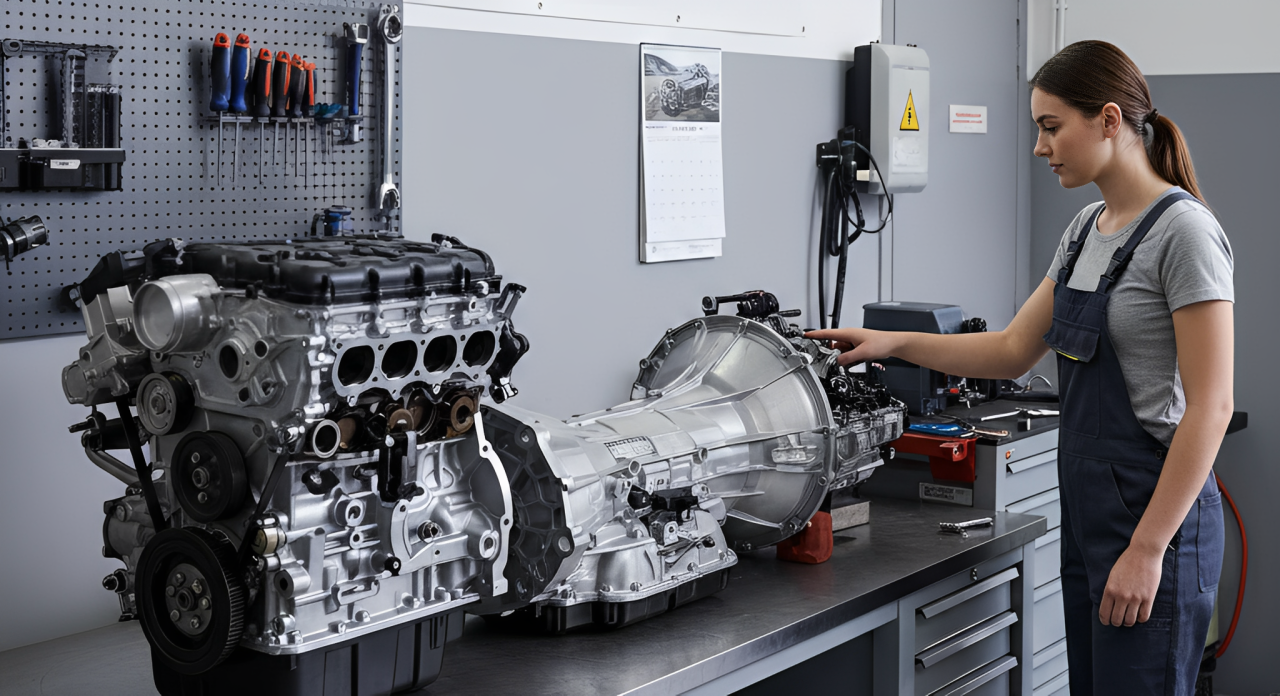
Every time you turn the key or press the start button, a carefully choreographed mechanical partnership comes to life under your hood. The engine and transmission begin working together instantly, converting fuel into motion and delivering power to your wheels in a smooth, controlled way. Without this teamwork, your vehicle wouldn’t move an inch.
Many drivers think of the engine as the star of the show, but the transmission is just as important. One creates power, the other manages it. Understanding how these two systems work together not only makes you a smarter car owner—it also helps you spot problems early, drive more efficiently, and extend the life of your vehicle.
Let’s break down how the engine and transmission cooperate to power your vehicle and why this relationship matters so much.
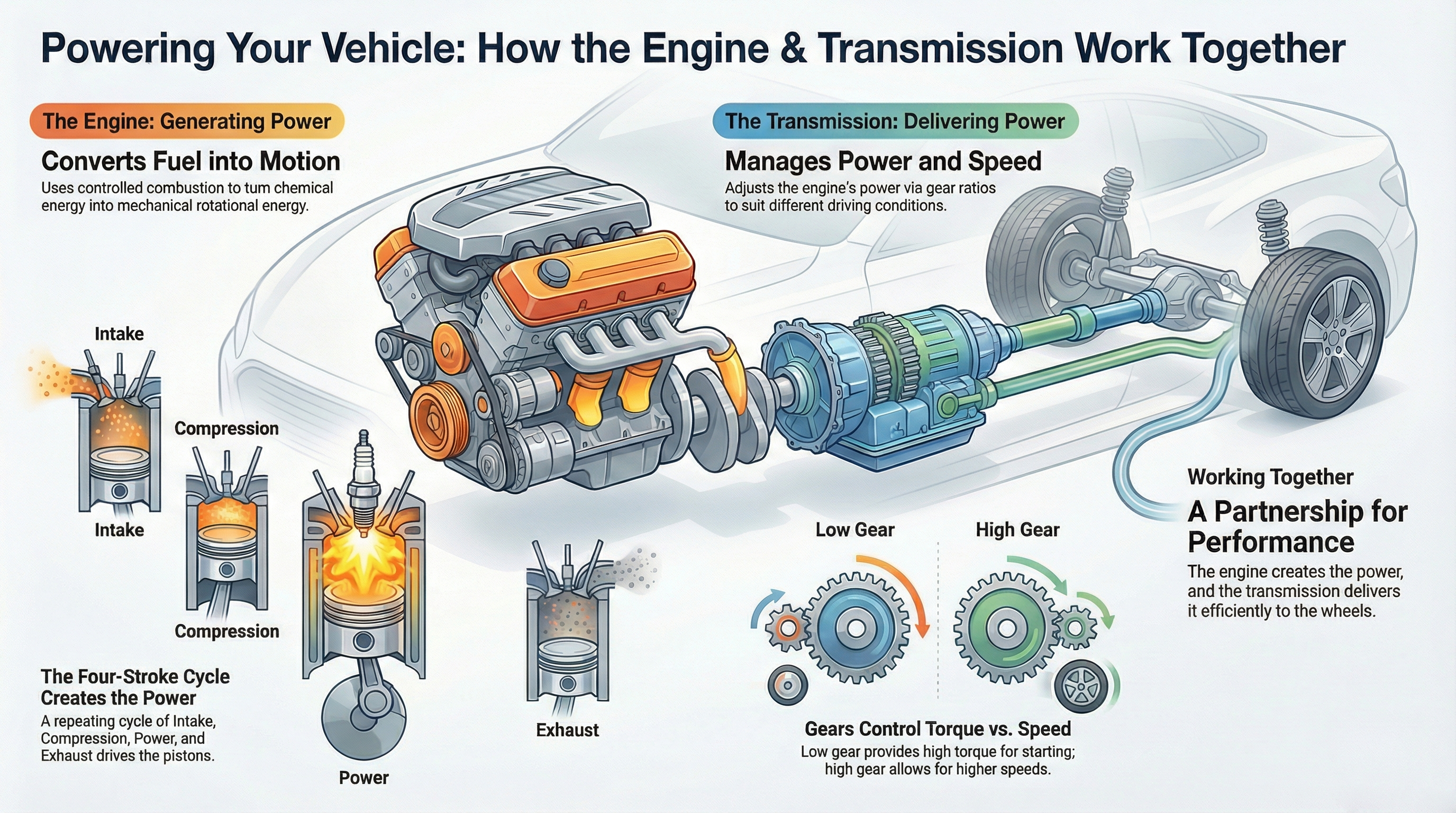
The engine is the source of all mechanical power in your vehicle. It works by burning fuel and air in controlled explosions inside cylinders, converting chemical energy into rotational force.
Each explosion pushes pistons up and down, turning the crankshaft. This spinning motion is the raw power that ultimately moves your car forward.
However, there’s a catch: engines don’t produce usable power at all speeds. They operate best within a specific range known as the power band. That’s where the transmission steps in.
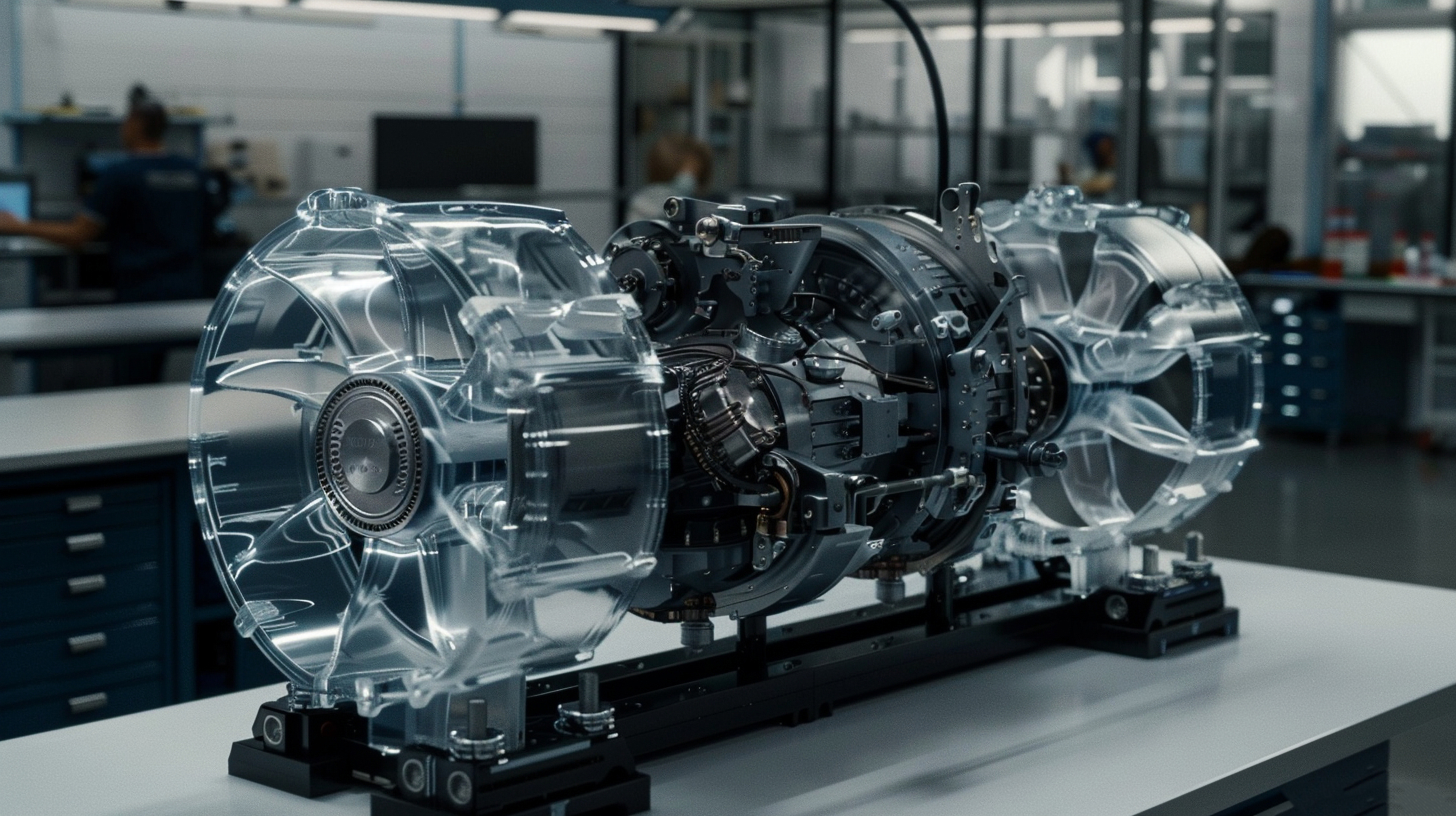
If the engine is the heart, the transmission is the brain. Its job is to take the engine’s power and deliver it efficiently to the wheels.
The transmission:
1. Adjusts torque and speed
2. Matches engine output to driving conditions
3. Keeps the engine operating in its optimal range
Without a transmission, your engine would either stall at low speeds or spin uncontrollably at high speeds.
Gears are the key to how the transmission works.
Lower gears provide:
1. More torque
2. Better acceleration
3. Easier starts from a stop
Higher gears provide:
1. Lower engine RPM
2. Better fuel efficiency
3. Smoother cruising at highway speeds
By shifting gears, the transmission allows the engine to stay productive without being overworked.
Here’s a simplified breakdown of what happens when you press the accelerator:
1. The engine increases power output
2. The transmission selects the appropriate gear
3. Power flows through the driveshaft
4. The differential distributes power to the wheels
5. The vehicle moves forward
This entire process happens seamlessly, often within milliseconds.
Powering Your Vehicle
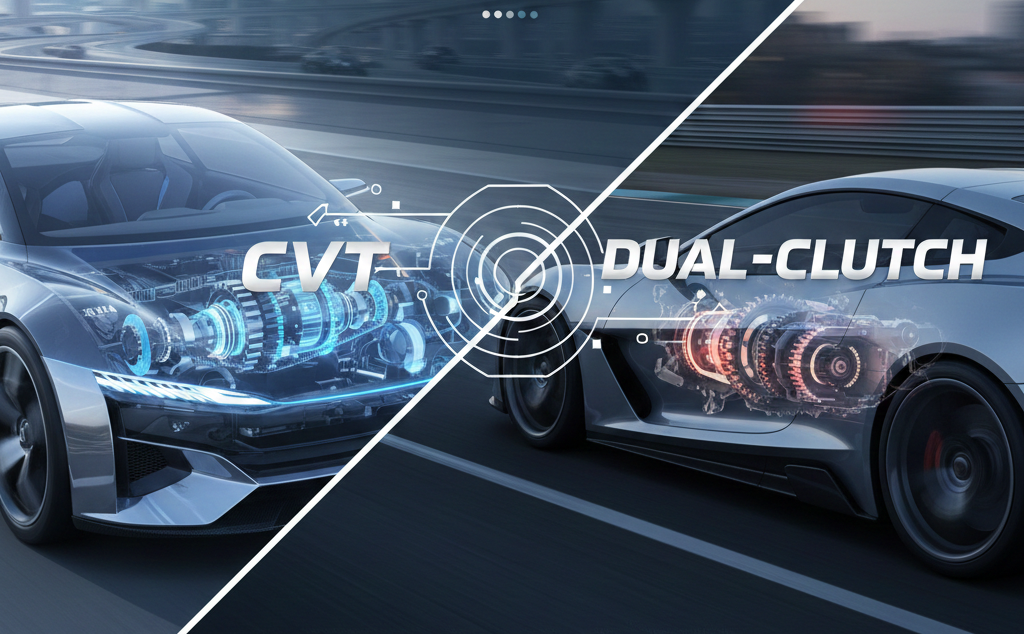
Both types of transmissions work toward the same goal but do so differently.
Automatic transmissions shift gears on their own using sensors, hydraulic pressure, and computer controls. They prioritize convenience and smoothness.
Manual transmissions require the driver to select gears using a clutch and gear shifter. They offer more control and mechanical simplicity.
Despite their differences, both types must stay perfectly synchronized with the engine to function correctly.
Manual and automatic transmissions connect to the engine in different ways.
The clutch temporarily disconnects the engine from the transmission, allowing gear changes without damage.
The torque converter uses fluid to transfer power smoothly, allowing the engine to keep running even when the vehicle is stopped.
Both components are critical in managing how power flows between the engine and transmission.
Today’s vehicles rely heavily on computers to optimize engine and transmission performance.
Sensors monitor:
1. Speed
2. Load
3. Throttle position
4. Driving conditions
The vehicle’s control modules use this data to adjust shift timing, fuel delivery, and engine output in real time.
This communication improves:
1. Fuel efficiency
2. Performance
3. Emissions control
The engine and transmission are deeply interconnected. Problems in one often affect the other.
For example:
1. A weak engine can cause erratic shifting
2. Transmission issues can strain the engine
3. Dirty fluids can damage both systems
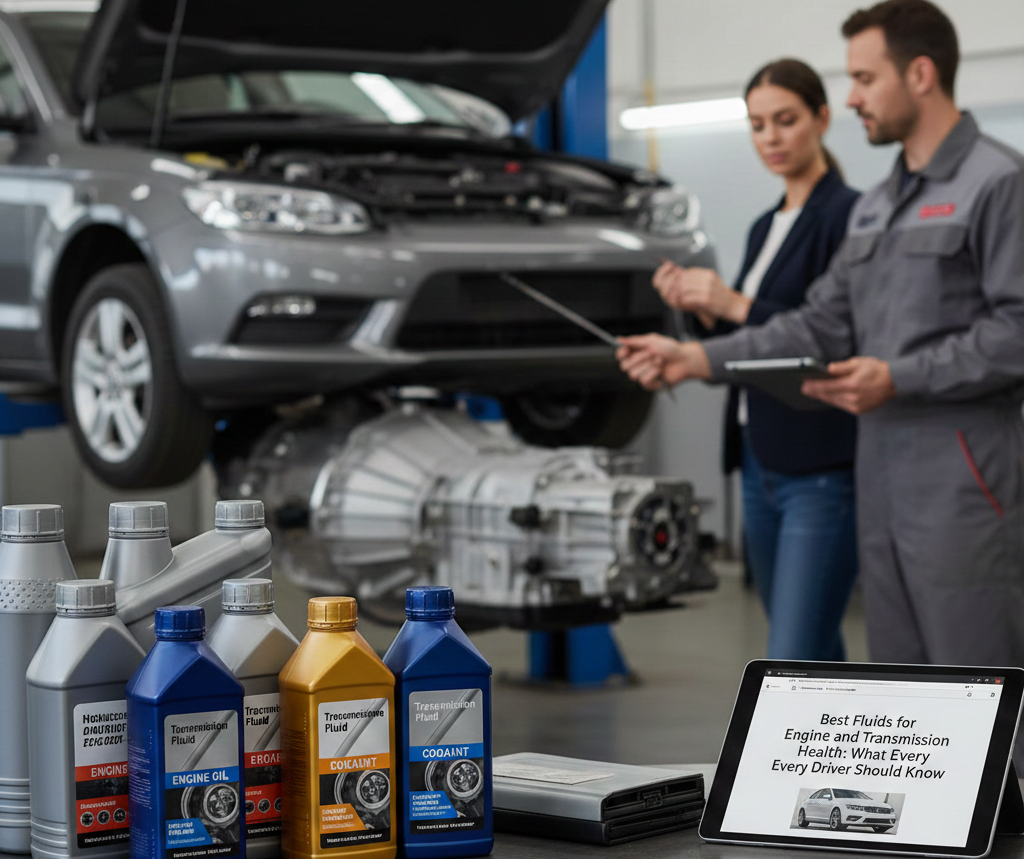
Engine oil and transmission fluid play a huge role in how well these systems work together.
Engine oil:
1. Reduces friction
2. Controls heat
3. Protects moving parts
Transmission fluid:
1. Lubricates gears
2. Provides hydraulic pressure
3. Helps with cooling
Neglecting either can disrupt the balance between engine and transmission.
Fuel economy depends heavily on how well the engine and transmission communicate.
A well-matched system:
1. Keeps RPMs low when cruising
2. Delivers power only when needed
3. Reduces unnecessary fuel consumption
Poor communication leads to wasted energy and higher fuel costs.
Your vehicle often gives warning signs when this partnership is struggling.
Common symptoms include:
1. Delayed or rough shifting
2. Engine revving without acceleration
3. Shuddering or hesitation
4. Warning lights
Addressing these early can prevent major damage.
How you drive matters more than you might think.
Healthy habits include:
1. Smooth acceleration
2. Regular maintenance
3. Avoiding aggressive driving
4. Letting the engine warm up briefly
Small changes in driving style can significantly reduce wear.
Routine maintenance keeps the engine and transmission in sync.
Key services include:
1. Oil changes
2. Transmission fluid service
3. Software updates
4. Inspections
Skipping maintenance is like ignoring your body’s warning signs—it rarely ends well.
Electric and hybrid vehicles are changing the landscape, but the core principle remains the same: managing power efficiently.
Even in electric vehicles:
1. Motors replace engines
2. Gearboxes replace traditional transmissions
The partnership continues, just in a new form.
The engine and transmission are a team, not separate systems. One creates power, the other controls it. Together, they turn fuel into motion, deliver smooth performance, and keep your vehicle efficient and reliable.
Understanding how they work together helps you appreciate what’s happening beneath the hood and empowers you to take better care of your car. When the engine and transmission are in harmony, your vehicle performs at its best—and so does your driving experience.
No, the transmission is essential for managing engine power and delivering it to the wheels effectively.
The engine may still run, but power won’t be properly transferred to the wheels.
Yes, engine issues can cause poor shifting and increased transmission stress.
Common signs include delayed acceleration, high RPMs, and rough gear changes.
Absolutely. Proper maintenance keeps both systems working smoothly and extends their lifespan.