
Car repairs have a way of showing up at the worst possible time. One strange noise turns into a diagnosis, and suddenly you’re staring at a repair estimate that feels more like a down payment on a new car. The good news? You don’t always have to pay premium prices to keep your vehicle running safely and smoothly.
One of the smartest ways to cut repair costs - without cutting corners - is by buying OEM used car parts. Many drivers don’t realize just how much money they can save by going this route, often thousands of dollars over the life of a vehicle.
Let’s break down what OEM used parts are, why they’re worth considering, and how to buy them safely and confidently.
OEM stands for Original Equipment Manufacturer. OEM parts are the exact components that were originally installed in your vehicle when it rolled off the assembly line.
When we talk about OEM used car parts, we’re referring to:
1. Genuine factory parts
2. Removed from other vehicles
3. Tested, inspected, and resold
These parts are not aftermarket replicas. They’re original parts - just previously used.
Understanding the difference between these options is key to making smart buying decisions.
1. Brand new from the manufacturer
2. Perfect fit and performance
3. Extremely expensive
1. Original factory parts
2. Proven compatibility
3. Significantly cheaper
1. Made by third-party manufacturers
2. Vary widely in quality
3. Often cheaper, but inconsistent
OEM used parts hit the sweet spot between quality and affordability.
The biggest reason OEM used parts cost less is simple: depreciation.
Just like vehicles lose value once driven, parts do too - even if they’re still in excellent condition. Many used OEM parts come from:
1. Low-mileage vehicles
2. Cars totaled due to cosmetic damage
3. Lease returns or trade-ins
The part itself may be nearly new, but the price drops dramatically.
The savings can be substantial.
Examples of typical savings:
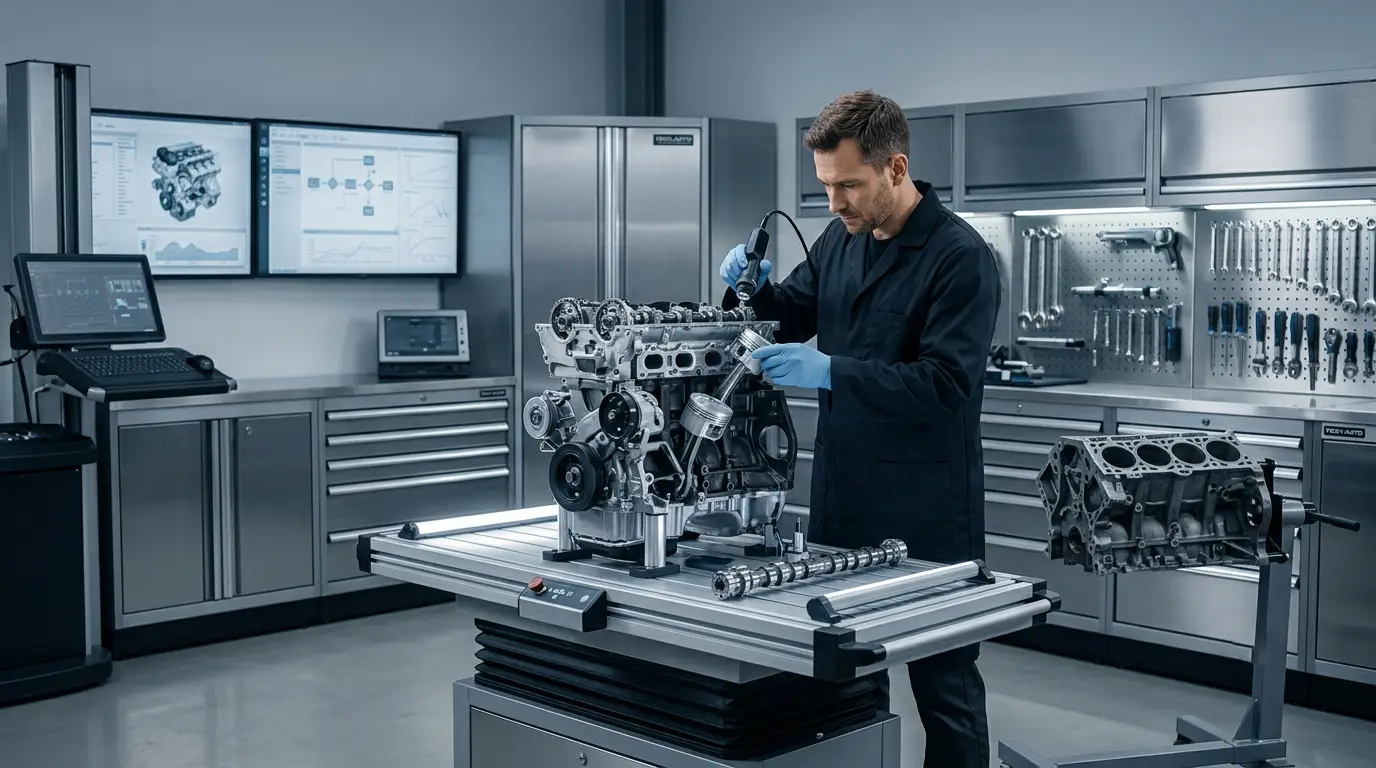
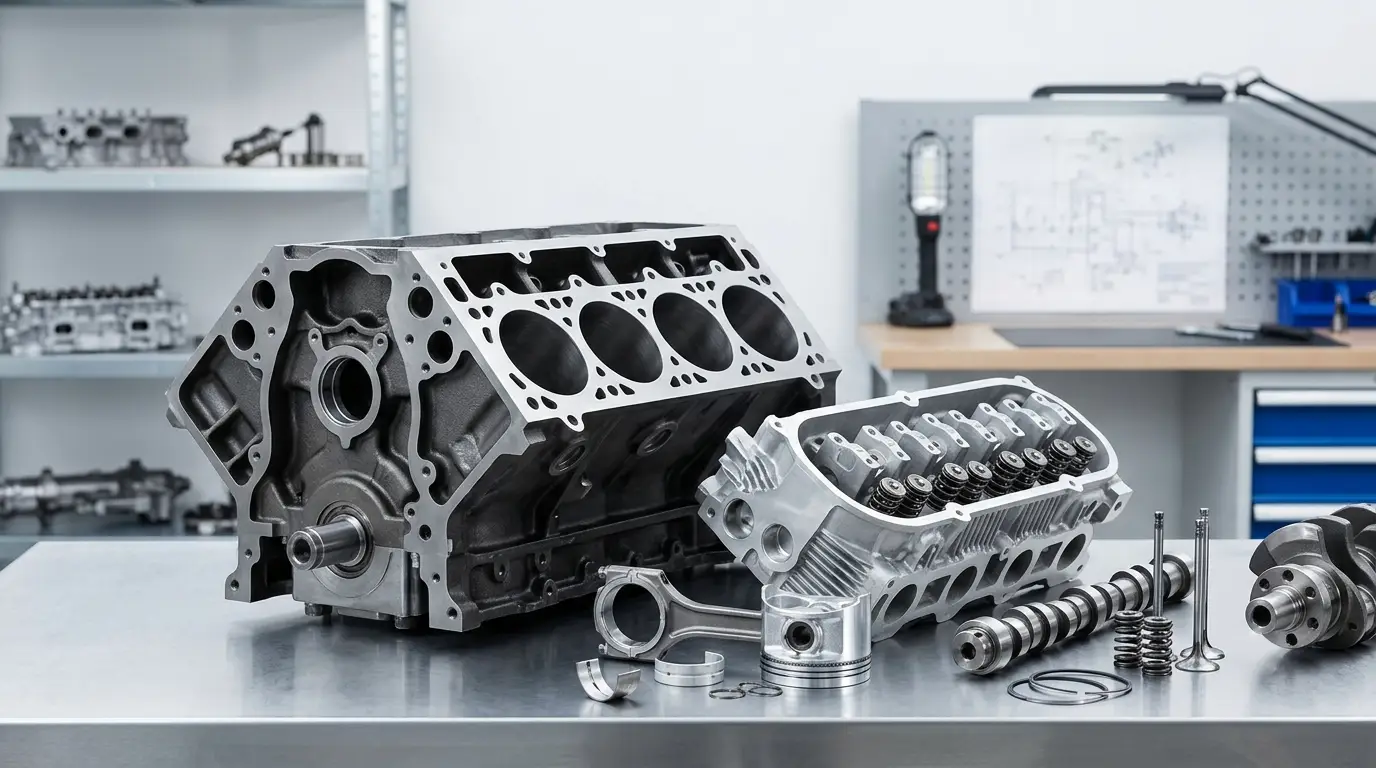
1. Car Engines: 40–70% less than new OEM
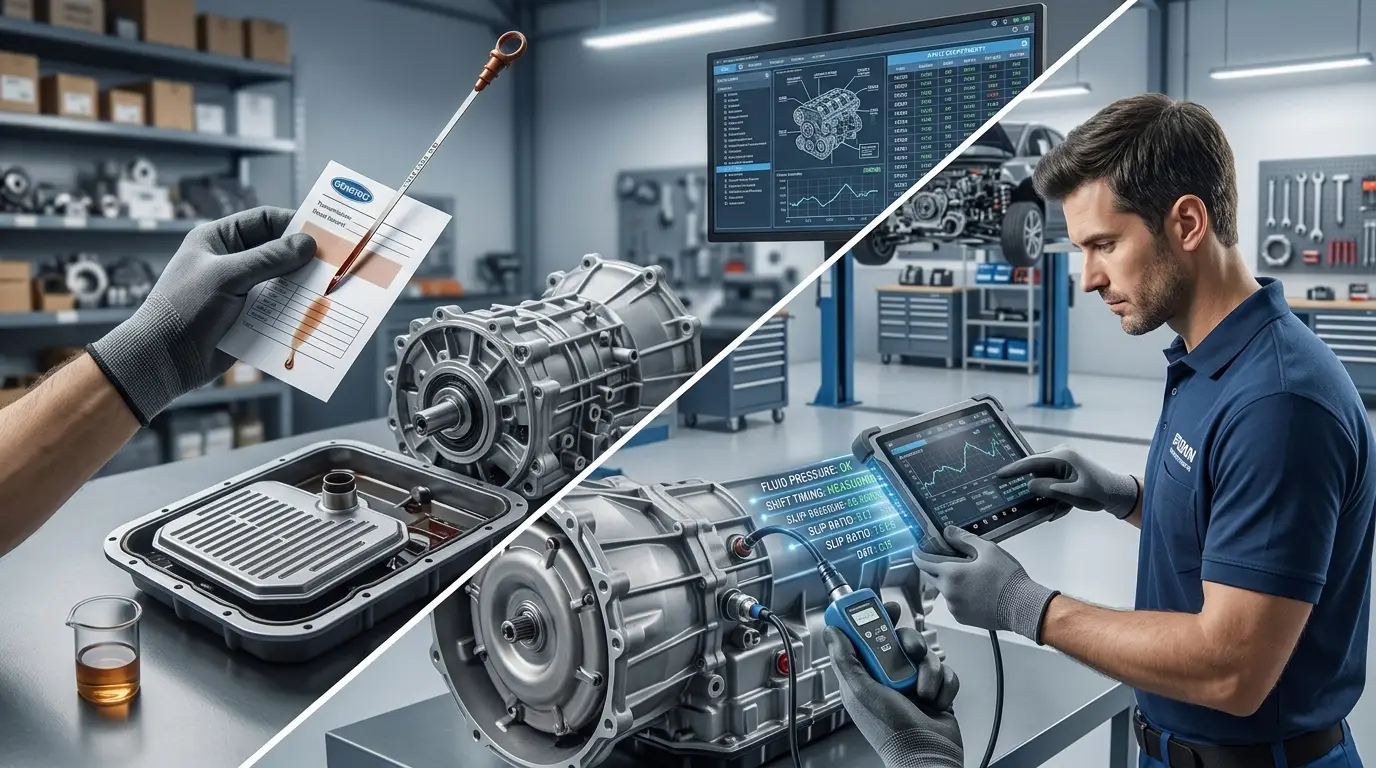
2. Transmissions: 50–65% savings
3. Body panels: 60–80% savings
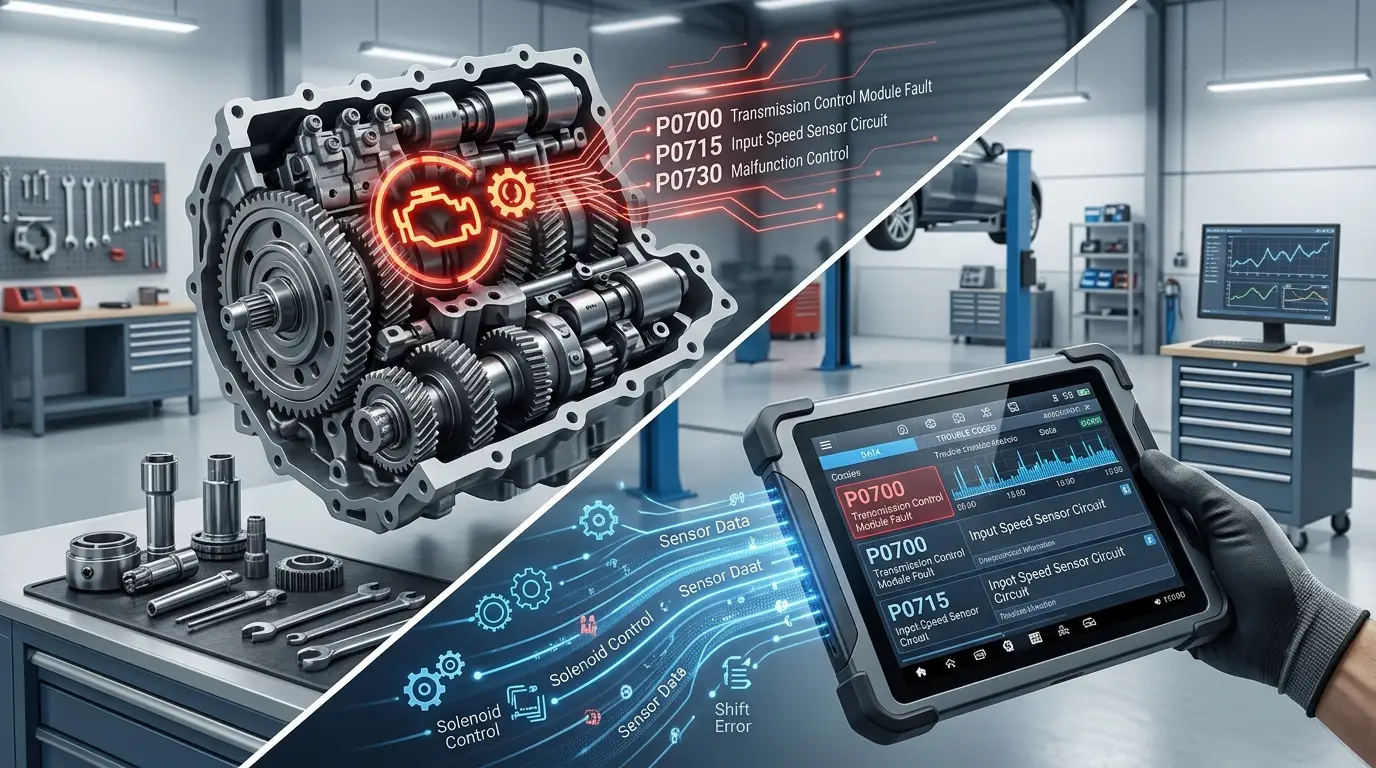
4. Electronic modules: 50% or more
Over multiple repairs, those savings can easily reach thousands of dollars.
This is the biggest concern - and a fair one.
The reality is that OEM used parts are often more reliable than aftermarket parts because:
1. They’re built to factory standards
2. They’re designed specifically for your vehicle
3. They’ve already proven they work
Many aftermarket parts haven’t been tested in real-world conditions the way OEM parts have.
Modern vehicles rely heavily on precise engineering and electronics.
OEM used parts:
1. Fit perfectly without modification
2. Communicate correctly with onboard computers
3. Maintain factory safety standards
Aftermarket parts sometimes require adjustments - or cause warning lights and performance issues.
For certain components, OEM quality really matters.
These include:
1. Airbags
2. Seatbelts
3. Braking components
4. Suspension parts
5. Structural body components
Using OEM used parts for these systems helps preserve factory safety performance.
Saving money isn’t the only advantage.
Buying used OEM parts:
1. Reduces manufacturing demand
2. Keeps usable parts out of landfills
3. Lowers energy consumption
4. Supports sustainable auto repair
It’s one of the easiest ways to make car ownership more eco-friendly.
Let’s clear up a few misconceptions.
Not true. Many used parts have minimal wear.
Most reputable sellers offer warranties ranging from 30 days to 1 year.
Sometimes - but OEM used parts often offer better long-term value.
Not all parts make sense to buy used, but many do.
Great candidates include:
2. Body panels and bumpers
3. Doors and mirrors
4. Wheels and rims
5. Interior components
6. Control modules
Wear items like brake pads or filters are better bought new.
Always do your homework.
Key things to check:
1. Part numbers and compatibility
2. Mileage on donor vehicle
3. Visual condition
4. Signs of corrosion or damage
5. Warranty coverage
If buying online, ask for detailed photos and documentation.
Reliable sources include:
1. Certified auto recyclers
2. Salvage yards with testing standards
3. Online OEM parts marketplaces
4. Dealership-used parts programs
Avoid sellers who won’t provide return policies or proof of inspection.
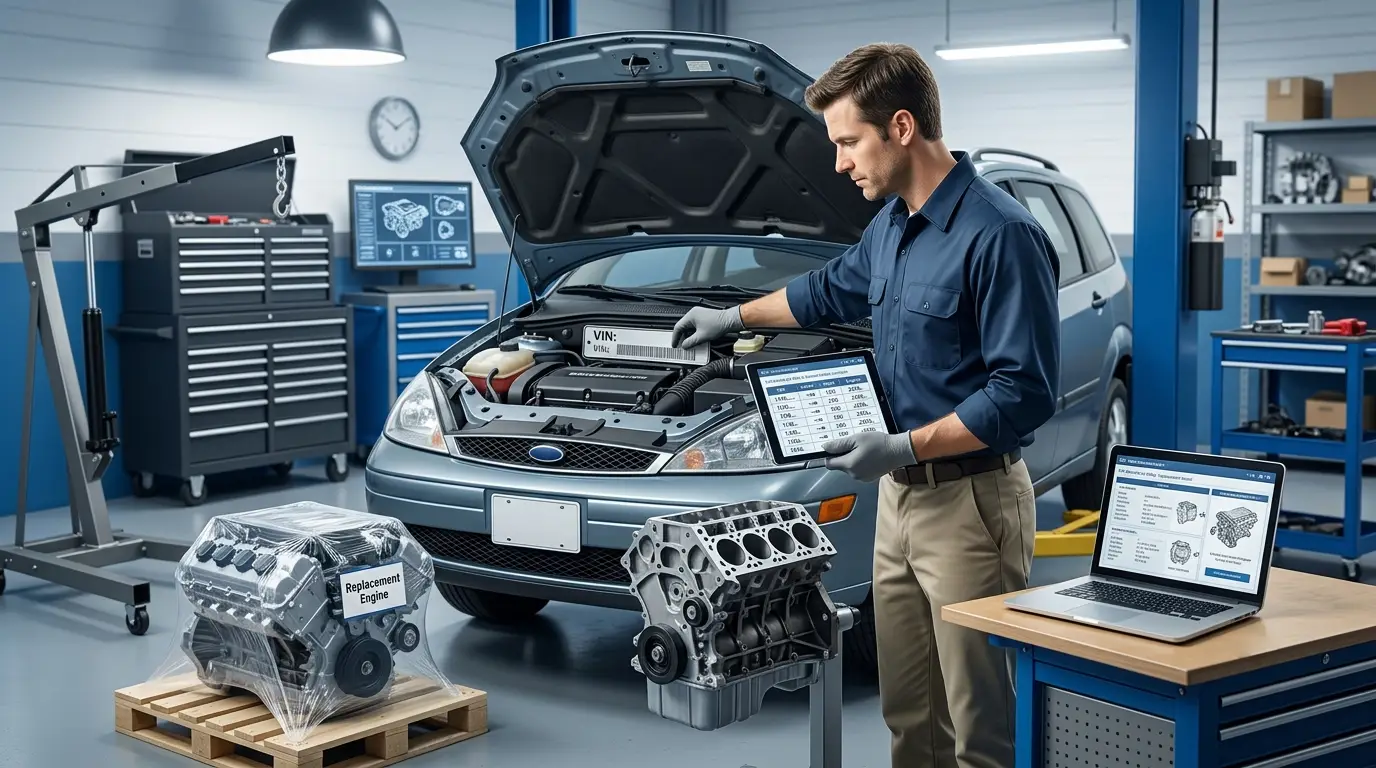
One of the smartest ways to ensure compatibility is VIN matching.
By matching parts to your vehicle’s VIN:
1. You reduce installation issues
2. You avoid electronics conflicts
3. You save time and labor costs
Always provide your VIN when sourcing major components.
Never buy OEM used parts without a warranty.
Look for:
1. Clear warranty terms
2. Reasonable return windows
3. Labor coverage (when possible)
A good warranty turns a used part into a low-risk investment.
OEM used parts often save money beyond the part price itself.
Why?
1. Faster installation due to perfect fit
2. Fewer adjustments or modifications
3. Reduced risk of repeat repairs
Labor savings add up quickly.
Many insurance companies approve OEM used parts for repairs because:
1. They meet safety standards
2. They reduce claim costs
3. They restore vehicles properly
This makes them a common choice for collision repairs.
There are times when new parts are the better choice.
Avoid used parts for:
1. Fluids and filters
2. Spark plugs
3. Brake pads
4. Rubber hoses with wear
These items wear out by design.
1. Choosing price over compatibility
2. Ignoring warranty details
3. Skipping VIN verification
4. Buying from unverified sellers
5. Assuming all used parts are the same
A little research prevents expensive mistakes.
Imagine needing a replacement transmission:
1. New OEM: $6,000+
2. Aftermarket: $3,500 with mixed reviews
3. OEM used: $2,200 with warranty
The OEM used option offers factory quality at a fraction of the cost.
Buying OEM used car parts is one of the smartest ways to keep repair costs under control without sacrificing safety or performance. You get factory-built components, proven reliability, and massive savings - all while making a more sustainable choice.
If you want your car to last longer without draining your wallet, OEM used parts deserve a serious look.
They are not new, but they are original factory parts and often far more reliable than aftermarket alternatives.
Savings typically range from 40% to 80%, depending on the part.
Most reputable sellers offer warranties from 30 days to one year.
Yes, especially for structural and safety-related parts when sourced responsibly.
Use part numbers and VIN matching to ensure perfect compatibility.