
Choosing between a manual and an automatic transmission is one of the most important decisions drivers make when buying a vehicle. It’s not just about preference it affects how you drive, how much you spend on maintenance, and even how long your vehicle lasts.
Some drivers swear by manuals, praising the control and engagement. Others wouldn’t dream of giving up the convenience of an automatic. Both sides have valid points, and the “better” choice really depends on your lifestyle, driving habits, and budget.
Let’s break it all down in simple terms so you can confidently decide which car transmission is right for you.
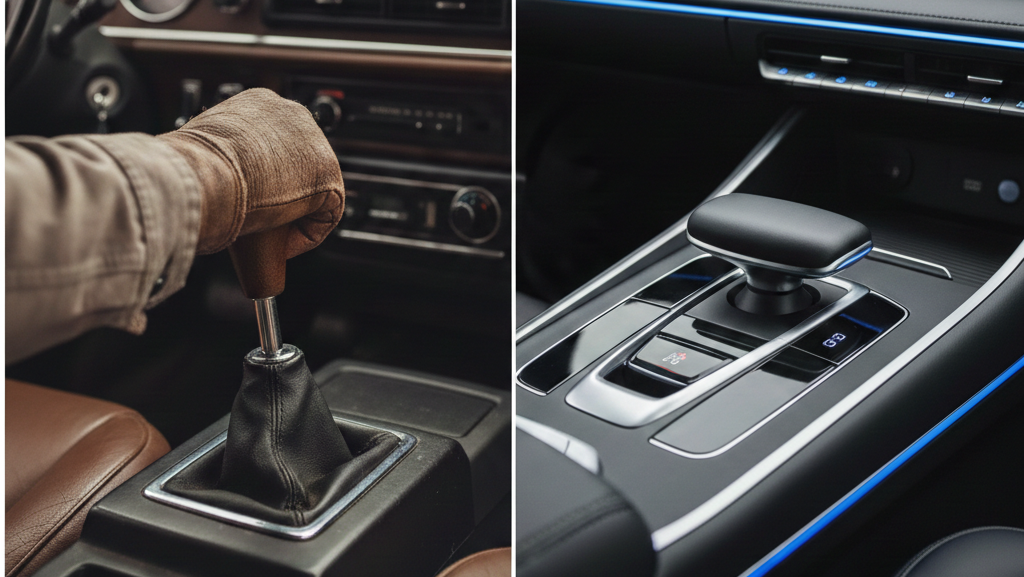
A manual transmission requires the driver to shift gears using a clutch pedal and gear shifter. You decide when the vehicle changes gears, matching engine speed to road speed manually.
Manuals were once the default choice in vehicles, especially before automatic technology became advanced and widely available.
An automatic transmission shifts gears on its own. Using a complex system of hydraulics, sensors, and software, it determines when to change gears based on speed, load, and driving conditions.
Today, automatics dominate the market due to convenience and continual improvements in efficiency and performance.
Manual driving feels more connected.
You’re actively involved in:
1. Selecting gears
2. Controlling engine power
3. Managing acceleration and deceleration
Many drivers enjoy this engagement, especially on winding roads or spirited drives.
Automatics shine in everyday driving:
1. No clutch pedal
2. No gear decisions
3. Smooth stop-and-go traffic
They reduce driver fatigue and make driving more relaxed, particularly in cities.
Learning to drive a manual takes time. Mastering clutch control and smooth shifting requires practice, and mistakes can stall the car or cause wear.
For new drivers, manuals can feel intimidating at first.
Automatics are beginner-friendly. Most drivers can operate them confidently within minutes,
making them ideal for:
1. New drivers
2. Rental cars
3. Shared vehicles
Manuals once had a clear advantage in fuel efficiency. Today, that gap has narrowed significantly.
1. Depends heavily on driver skill
2. Efficient when driven properly
3. Can waste fuel if shifted poorly
1. Modern automatics use advanced gear ratios
2. Continuously Variable Transmissions (CVTs) optimize efficiency
3. Often match or exceed manual fuel economy
In real-world driving, many automatics are now just as efficient as manuals.
Manuals offer:
1. Faster response in skilled hands
2. Precise control over power delivery
3. Strong connection between engine and wheels
Enthusiasts often prefer manuals for performance driving.
Modern automatics can shift faster than humans.
Performance-oriented automatics:
1. Deliver lightning-fast gear changes
2. Optimize acceleration
3. Reduce power interruption
In many modern vehicles, automatics outperform manuals in straight-line speed.
This is where the biggest differences appear.
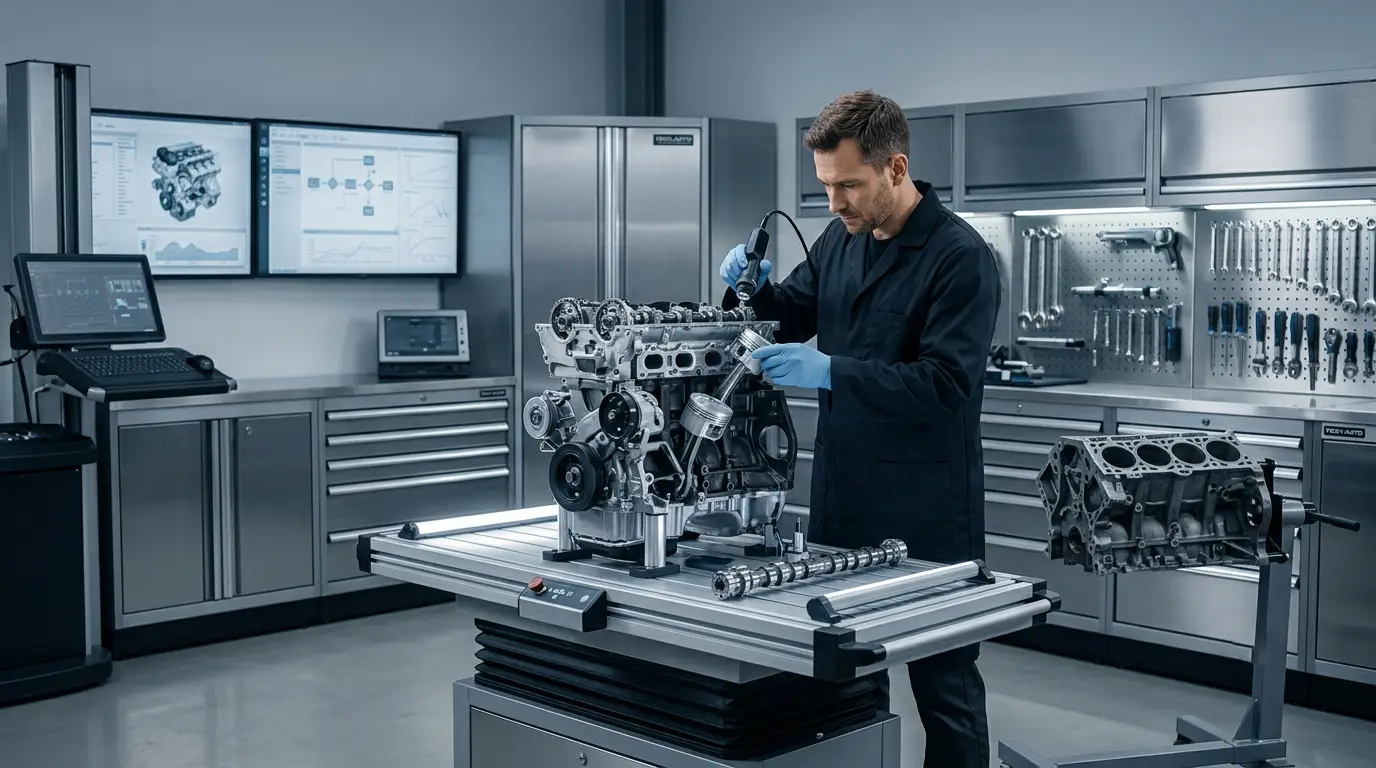
Manual transmissions are mechanically simpler,
which often means:
1. Lower repair costs
2. Fewer electronic components
3. Longer service intervals
Typical maintenance includes:
1. Clutch replacement (eventually)
2. Transmission fluid changes
A clutch replacement can be costly, but it usually lasts many years with proper driving.
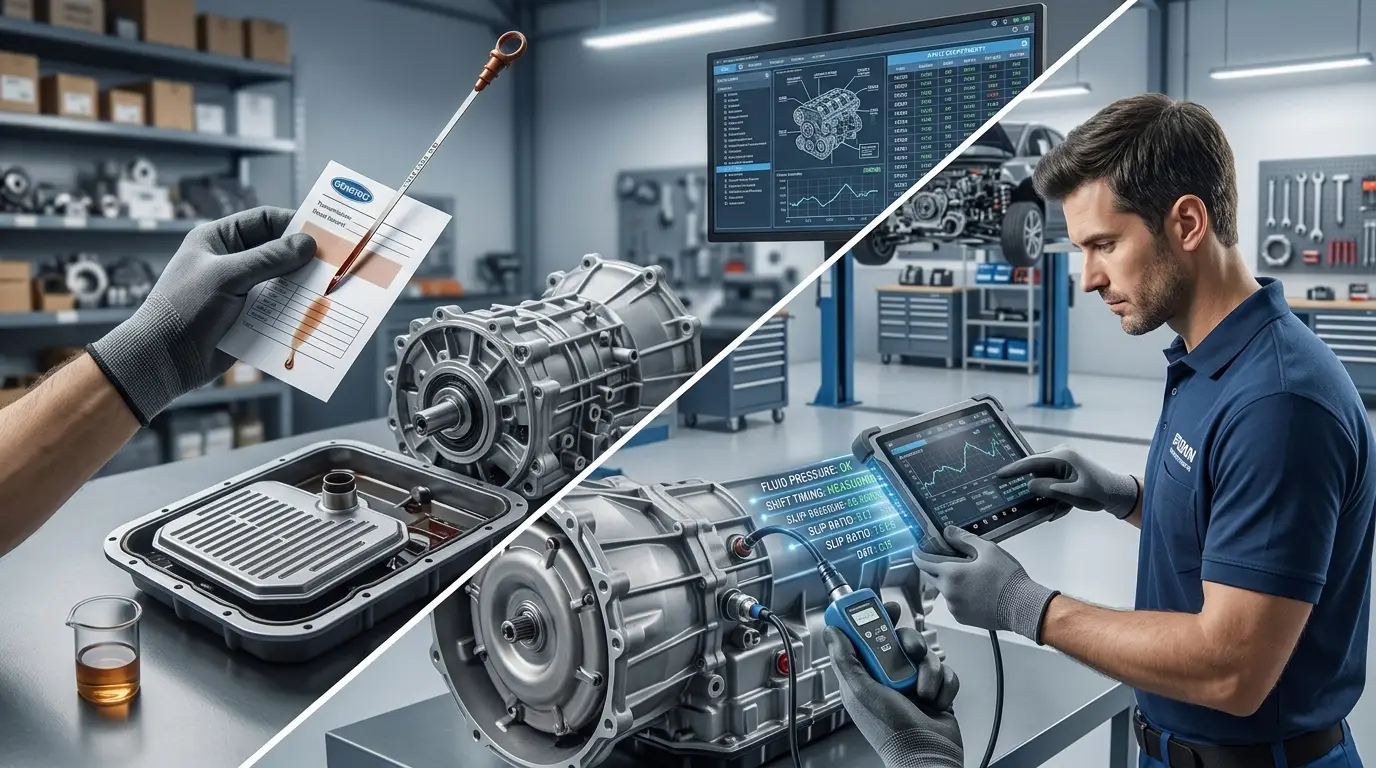
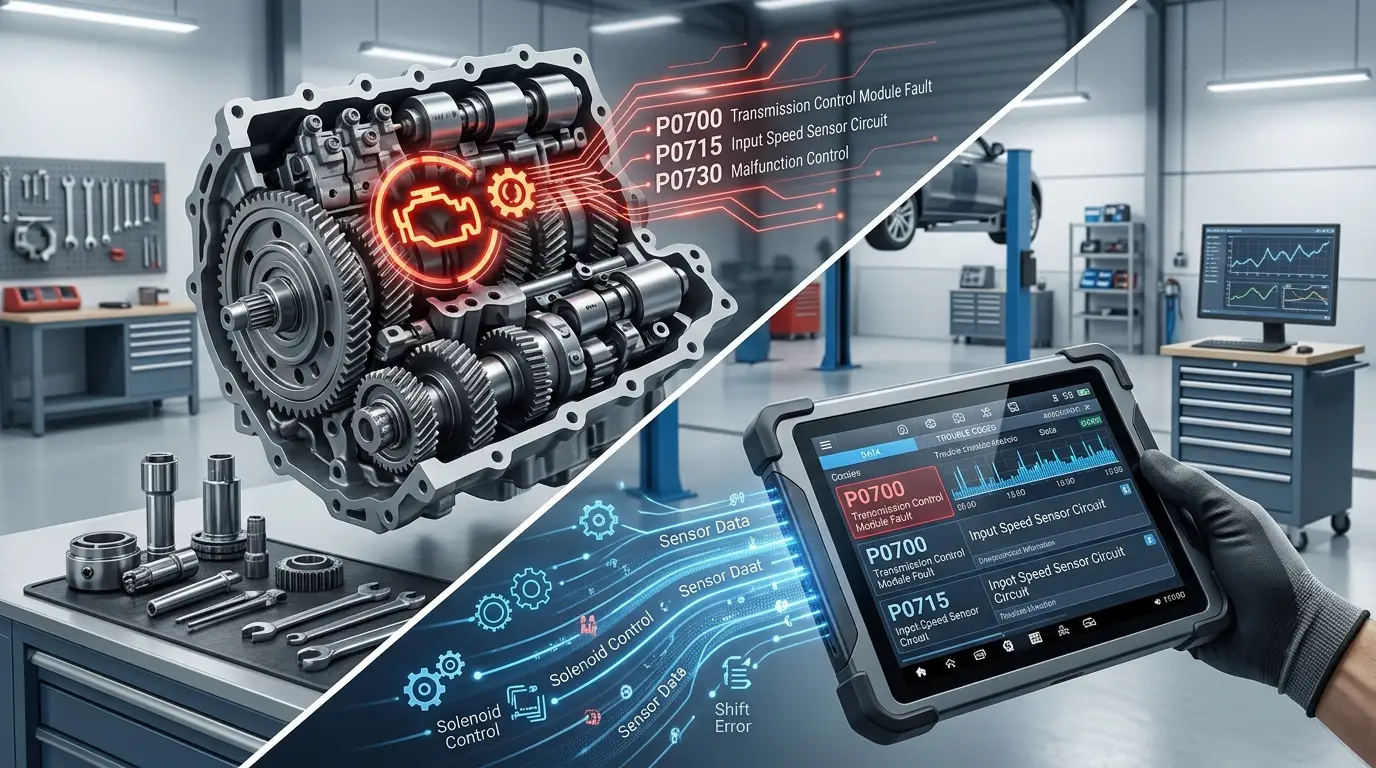
Automatics are more complex, involving:
1. Hydraulic systems
2. Sensors
3. Control modules
Maintenance includes:
1. Regular fluid service
2. Filter replacements
3. Software updates
Automatic transmission repairs are generally more expensive than manual repairs.
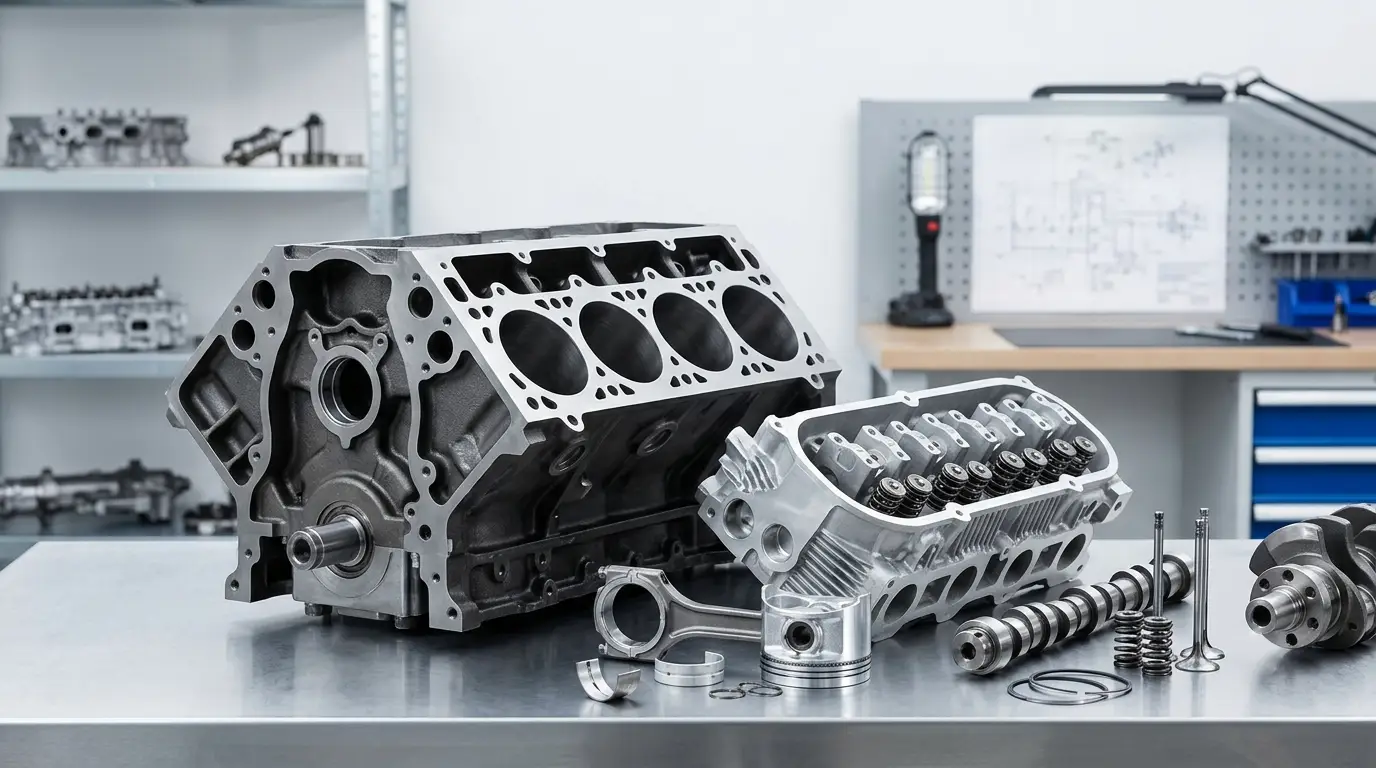
Manuals are known for durability.
With proper care:
1. Gearboxes can last the life of the vehicle
2. Fewer failure points
3. Easier to diagnose issues
Driver behavior plays a big role. Riding the clutch or aggressive shifting shortens lifespan.
Modern automatics are reliable, but:
1. Sensitive to fluid condition
2. Vulnerable to overheating
3. Repairs can be complex
Regular maintenance is critical to long-term reliability.
Common repairs include:
1. Clutch replacement
2. Synchronizer repairs
3. Gear wear
While not cheap, these repairs are usually more affordable than automatic transmission rebuilds.
Automatic repairs may involve:
1. Valve body issues
2. Torque converter failure
3. Control module problems
These repairs often require specialized tools and expertise, increasing costs.
Heavy traffic can make manuals tiring:
1. Constant clutch use
2. Frequent gear changes
3. Increased driver fatigue
For daily commuters, this can become frustrating over time.
Automatics excel in stop-and-go conditions:
1. No clutch work
2. Smooth crawling
3. Less stress
This convenience is a major reason automatics dominate urban markets.
Manuals allow:
1. Better control on steep hills
2. Engine braking in snow or ice
3. Precise throttle control
Skilled drivers can manage traction more effectively.
Modern automatics offer:
1. Traction control integration
2. Adaptive shifting
3. Hill-start assistance
They’re easier for most drivers in challenging conditions.
Manual vehicles:
1. Appeal to a smaller audience
2. May sell slower
3. Often attract enthusiasts
In some cases, manuals hold value well among niche buyers.
Automatics:
1. Have broader appeal
2. Sell faster
3. Are preferred by most buyers
Higher demand often leads to better resale value.
Insurance costs are typically similar for both, but:
1. Manuals may deter theft due to fewer drivers knowing how to operate them
2. Automatics are easier for multiple drivers in a household
Ownership convenience often favors automatics.
Manual transmissions are becoming less common as:
1. Automakers focus on efficiency
2. Electric vehicles eliminate traditional car transmissions
3. Driver-assistance systems integrate better with automatics
Manuals are likely to remain available mainly in enthusiast vehicles.
Manuals are ideal if you:
1. Enjoy driving engagement
2. Want lower long-term repair costs
3. Drive in less congested areas
4. Don’t mind learning a skill
They reward attentive, skilled drivers.
Automatics are perfect if you:
1. Commute in traffic
2. Want ease and comfort
3. Share your vehicle
4. Prefer smooth, effortless driving
For most drivers today, automatics simply fit better into daily life.
Over time:
1. Manuals often cost less to maintain
2. Automatics cost more to repair but offer convenience
3. Driving habits significantly impact both
The “cheaper” option depends on how long you keep the vehicle and how well you maintain it.
There’s no universal winner.
Manual transmissions offer:
1. Control
2. Engagement
3. Lower repair complexity
Automatic transmissions deliver:
1. Convenience
2. Comfort
3. Advanced performance
The best choice is the one that fits your driving style, budget, and lifestyle.
Generally, Yes. Manuals have simpler mechanics and lower repair costs.
They can, but they require stricter maintenance and fluid care.
Not always. Modern automatics often match or exceed manual efficiency.
They appeal to a smaller market but can hold value among enthusiasts.
Automatic transmissions are easier to learn and more forgiving.