
When your car breaks down, the first question isn’t what happened - it’s how much is this going to cost me? And right after that comes the real dilemma: should you buy new auto parts or go with used ones?
It’s a bit like deciding between a brand-new pair of sneakers or a gently worn designer pair at half the price. Both will get you where you’re going, but the journey - and the cost - can feel very different.
In this guide, we’ll break down new vs. used auto parts across cost, performance, reliability, and long-term value. No fluff. No mechanic jargon overload. Just a clear, honest comparison to help you make the smartest choice for your car and your wallet.
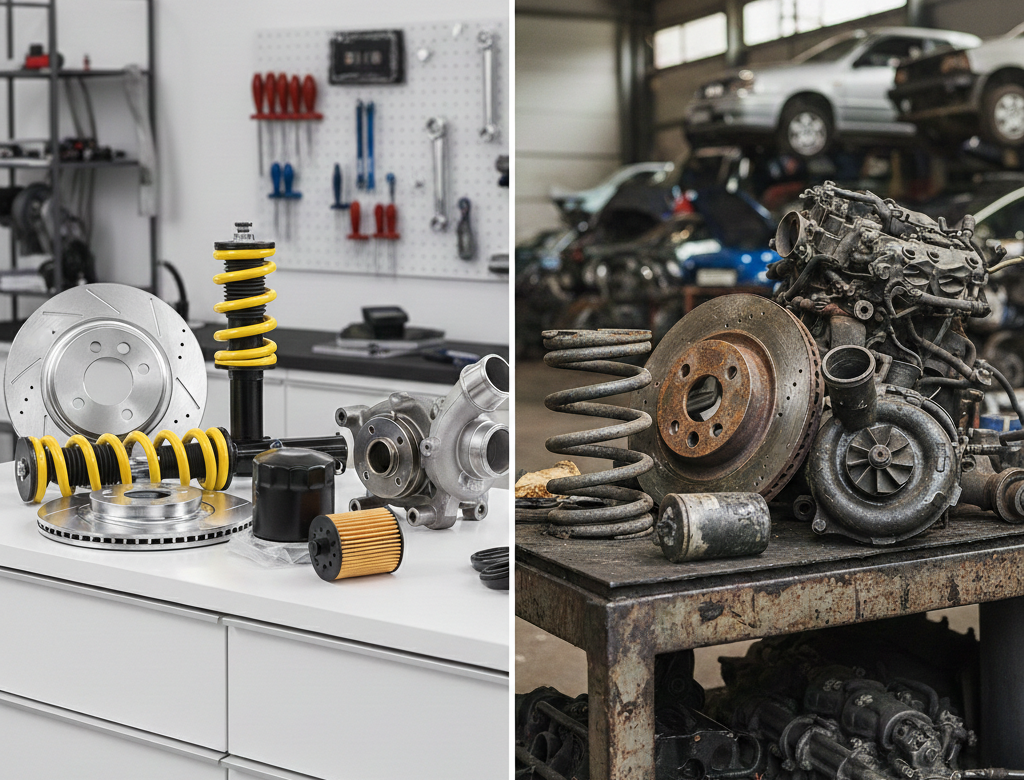
New auto parts are exactly what they sound like - fresh from the manufacturer, unused, untouched, and typically backed by a warranty.
Think of these as the “straight from the showroom” option.
Used auto parts come from vehicles that have been salvaged, dismantled, or refurbished. They’ve lived a previous life - but that doesn’t mean they’re worn out.
Some used parts are like thrift-store gold finds - barely used and wildly underpriced.
Let’s talk money, because that’s usually the deal-breaker.
New parts can cost 30% to 60% more than used ones, sometimes even higher for luxury or imported vehicles.
If you’re fixing an older car, used parts can feel like a financial lifesaver.
Winner on Cost: Used auto parts 🏆
Short answer? Usually - but not always.
New parts deliver:
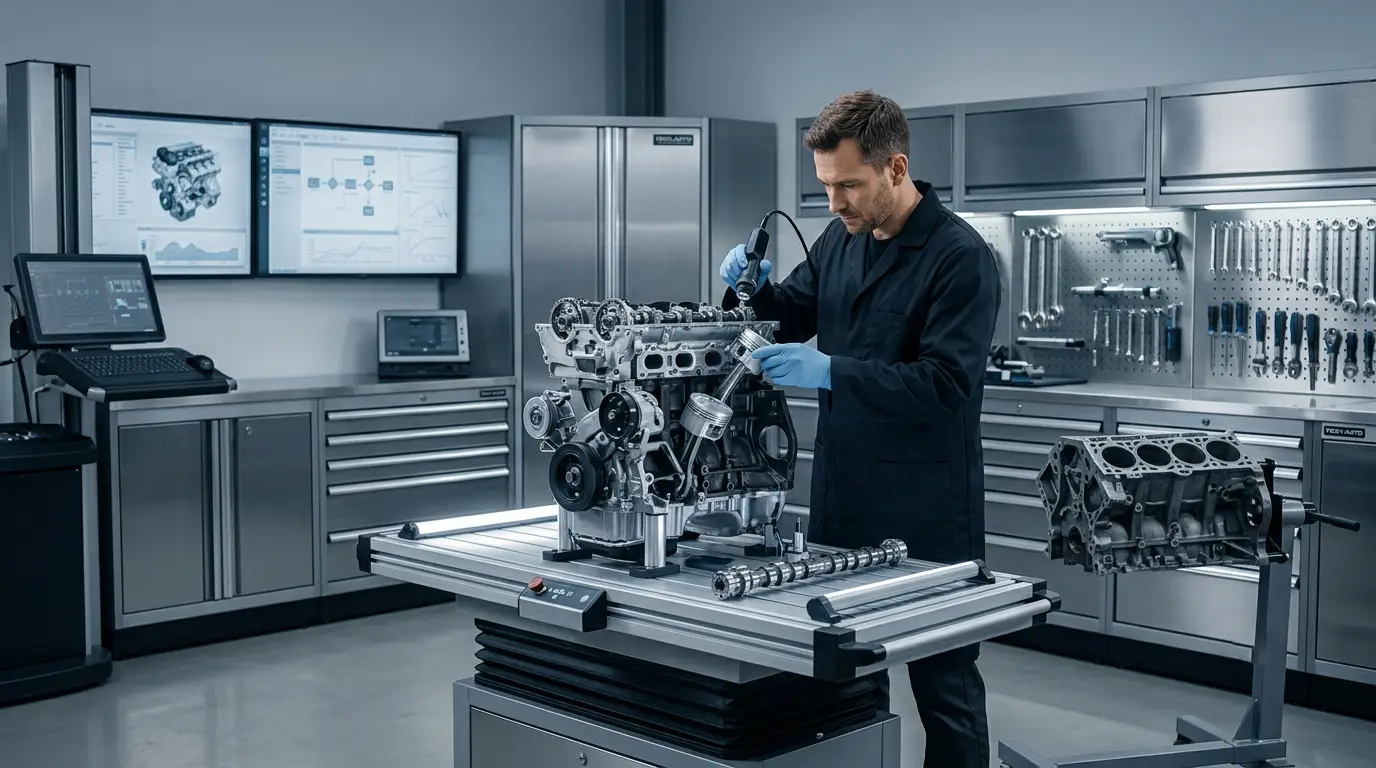
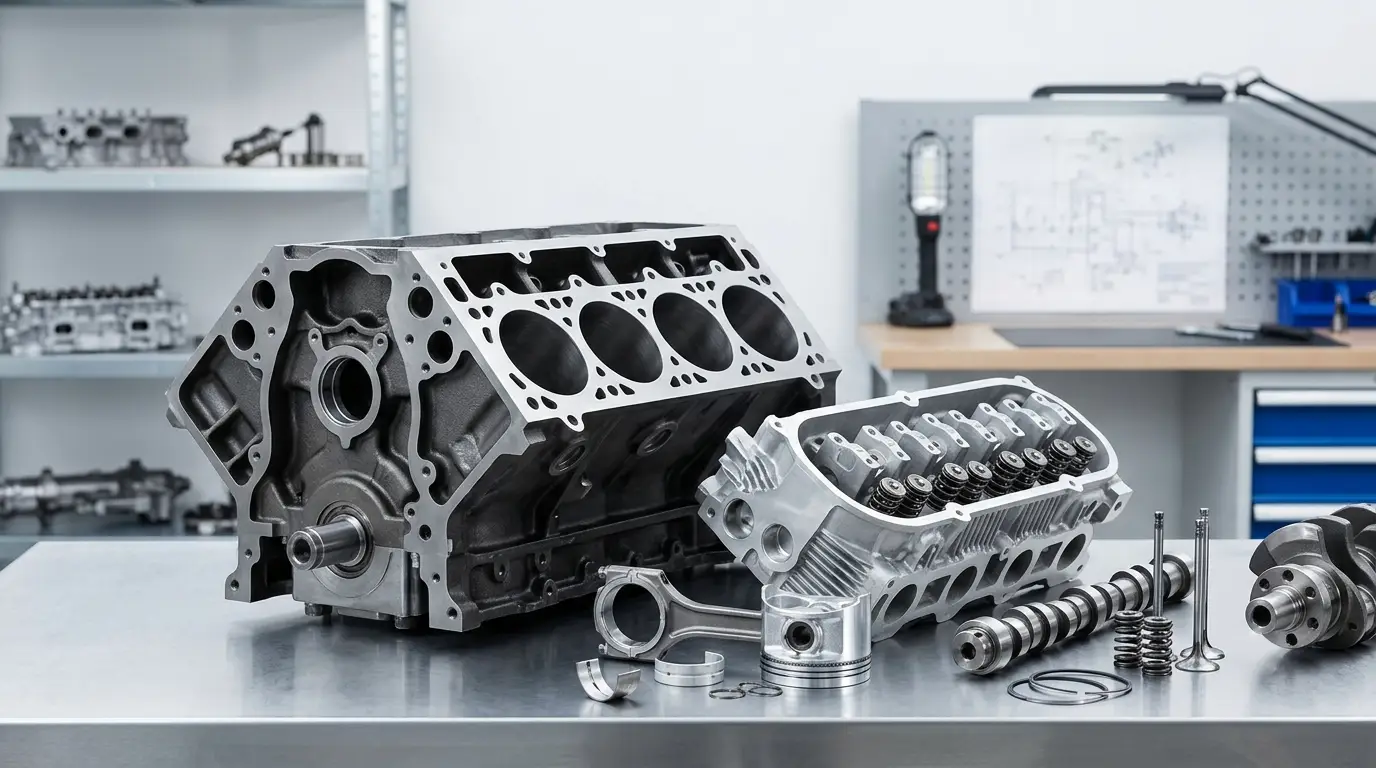
If performance is your top priority - say for brakes, suspension, or car engine components - new parts often shine.
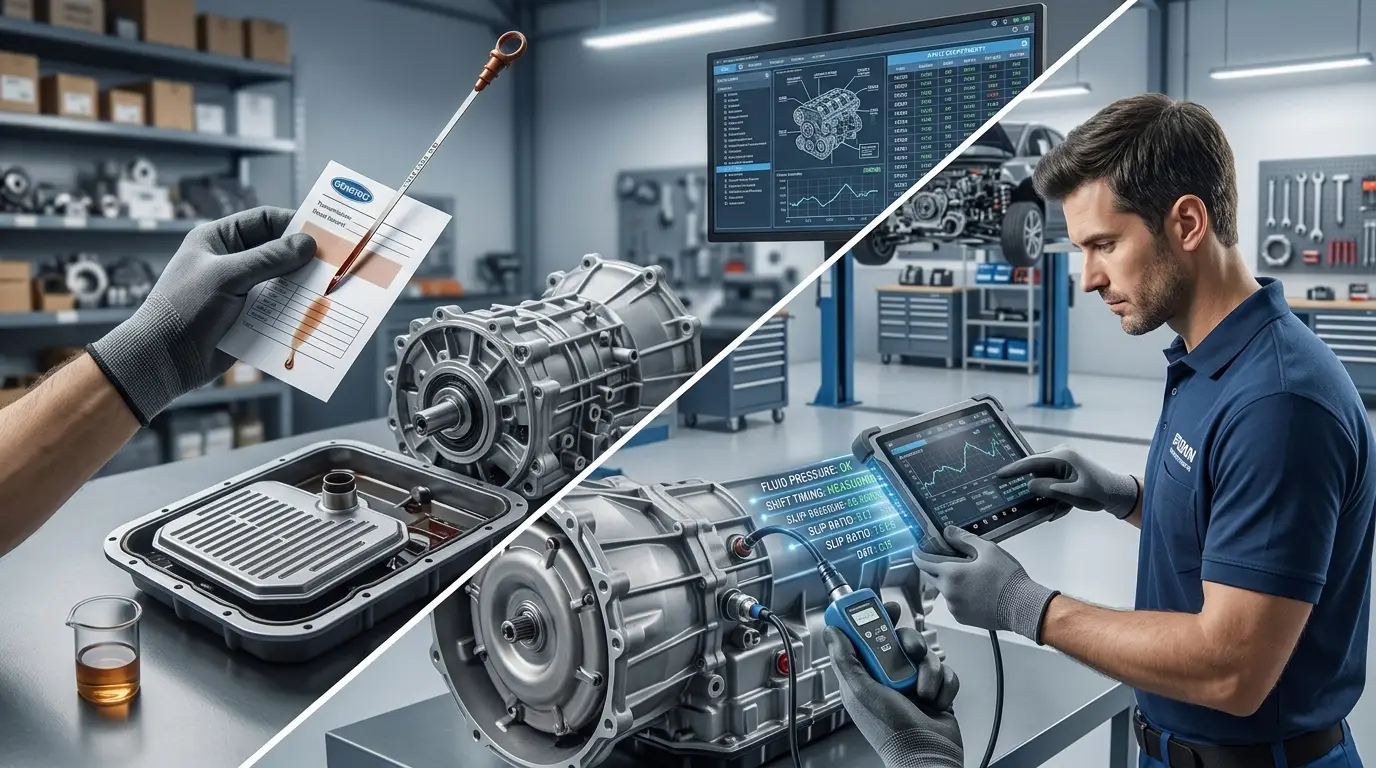
Used parts can still perform exceptionally well if:
A used alternator from a lightly driven vehicle might perform just as well as a new one - for years.
Winner on Performance: New auto parts (by a slim margin)
Reliability is where emotions kick in. Nobody wants to fix the same problem twice.
New parts are like fresh batteries - they haven’t lost any charge yet.
That said, not all used parts are risky. Body panels, mirrors, seats, and trim pieces are often just as reliable as new ones.
Winner on Reliability: New auto parts 🏆
This is where new parts flex hard.
If peace of mind matters more than price, warranties can tip the scale.
Here’s a curveball - used auto parts are better for the planet.
Buying used parts is like giving your car a secondhand heart - less waste, more sustainability.
Winner for Sustainability: Used auto parts 🌱
Sometimes, the choice isn’t about preference - it’s about what’s available right now.
If you’re driving a newer or popular model, new parts are usually easier to find.
This is one area where cutting corners isn’t worth it.
Your car’s safety systems aren’t the place to gamble.
Used parts are ideal when:
Why pay full price for a door handle or side mirror?
Go new when:
New parts are an investment in peace of mind.
A cheaper part isn’t always the better deal.
Think of it like shoes: one expensive pair that lasts five years can be cheaper than replacing cheap ones every year.
Your best choice depends on the part, not just the price tag.
Reality lives somewhere in the middle.
There’s no universal winner in the new vs. used auto parts debate.
The smartest drivers don’t pick sides - they pick what makes sense for that specific repair.
New and used auto parts both have their place under the hood. New parts offer reliability, warranties, and peak performance, while used parts shine in affordability and environmental impact. The key is knowing when to save and when to invest. Make decisions based on the part’s role, your budget, and how long you plan to keep your car. Drive smarter, not just cheaper.
Yes, especially if they are inspected, tested, and sourced from reputable sellers.
Some do, but they are usually limited compared to new parts.
It depends. Aftermarket parts vary in quality, while used OEM parts were built to factory standards.
Safety-critical parts like airbags, brakes, and steering components should always be new.
Yes, especially for cosmetic or non-essential components where performance isn’t critical.