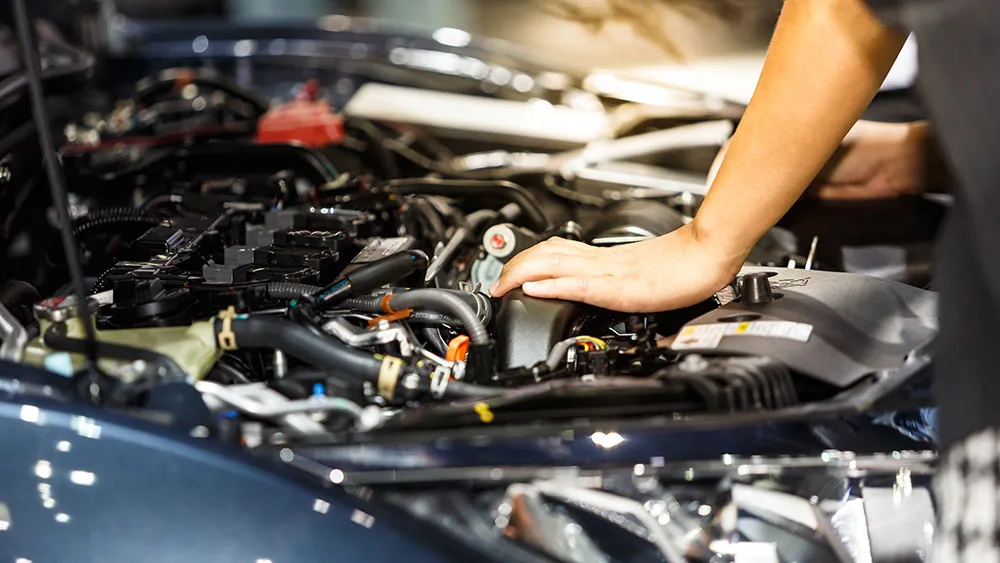

Your car’s engine is the heart of your vehicle - the powerful machine that keeps everything moving. Just like your body needs care to stay healthy, your car’s engine requires regular maintenance to ensure it performs efficiently and lasts longer. Neglecting engine maintenance can lead to costly repairs, poor fuel economy, and even total engine failure. Whether you drive daily for work or only on weekends, understanding how to take care of your engine can save you thousands of dollars and extend the life of your vehicle.
This comprehensive guide explores the best ways to maintain your car’s engine, from routine checks to professional care, so you can enjoy a smoother, more reliable ride for years to come.
Engine maintenance is not just about keeping your car running - it’s about preventing wear, maximizing performance, and improving fuel efficiency. When an engine is well-maintained, it runs cleaner, smoother, and uses less fuel. On the other hand, poor maintenance can cause carbon buildup, overheating, and eventual breakdowns.
Modern car engines are designed with advanced technology and tighter tolerances, meaning they rely heavily on clean fluids, proper lubrication, and precise timing. Regular maintenance ensures all these elements stay in sync, minimizing friction and maximizing longevity.
Proper care also improves your car’s resale value. A vehicle with a well-documented maintenance history often sells faster and for a better price than one with neglected service records.
Oil is the lifeblood of your engine. It lubricates moving parts, reduces friction, and helps regulate temperature. Over time, engine oil breaks down, losing its effectiveness and allowing sludge to form. That’s why regular oil changes are critical for longevity.
Most manufacturers recommend an oil change every 5,000 to 7,500 miles, though some modern synthetic oils can last up to 10,000 miles. Always refer to your car’s manual for specific guidelines.
When changing oil, don’t forget to replace the oil filter as well. A clogged filter can restrict oil flow and reduce lubrication efficiency. Use high-quality oil that matches your manufacturer’s specifications - synthetic oils typically offer better performance, especially in extreme temperatures.
Tip: Check your oil level monthly. Low oil can lead to severe engine damage, while overfilling can cause leaks or pressure issues.
Engines generate a lot of heat. Without a proper cooling system, that heat can cause catastrophic damage. The radiator, water pump, thermostat, and coolant all play vital roles in regulating temperature.
Coolant (or antifreeze) prevents your engine from overheating in summer and freezing in winter. Over time, it loses its protective properties and can allow corrosion inside the cooling system. That’s why experts recommend flushing the coolant system every 30,000 to 50,000 miles.
Also, inspect radiator hoses and connections regularly for leaks, cracks, or loose clamps. Even a small leak can lead to engine overheating.
Tip: Never open the radiator cap while the engine is hot. Wait until it cools down to avoid burns or pressure release injuries.
A clean air filter ensures your engine receives enough oxygen for proper combustion. Over time, air filters can get clogged with dust, dirt, and debris, restricting airflow and reducing fuel efficiency.
Most manufacturers recommend replacing the air filter every 12,000 to 15,000 miles, but if you drive in dusty or polluted environments, you may need to do it more often.
A clogged air filter can cause your engine to work harder, reducing performance and increasing fuel consumption. Replacing it is inexpensive and one of the easiest DIY maintenance tasks you can do.
Tip: Hold the air filter up to the light - if you can’t see light passing through it, it’s time for a replacement.
Spark plugs are small but mighty components that ignite the air-fuel mixture in your engine’s cylinders. Worn or dirty spark plugs can cause misfires, poor acceleration, and decreased fuel efficiency.
Most spark plugs last between 30,000 and 100,000 miles, depending on the type (copper, platinum, or iridium). Check your owner’s manual for exact replacement intervals.
When replacing spark plugs, also inspect the ignition coils and wires for signs of wear. Faulty ignition components can lead to engine hesitation and stalling.
Tip: A rough idle or difficulty starting your car may indicate spark plug issues - have them inspected as soon as possible.
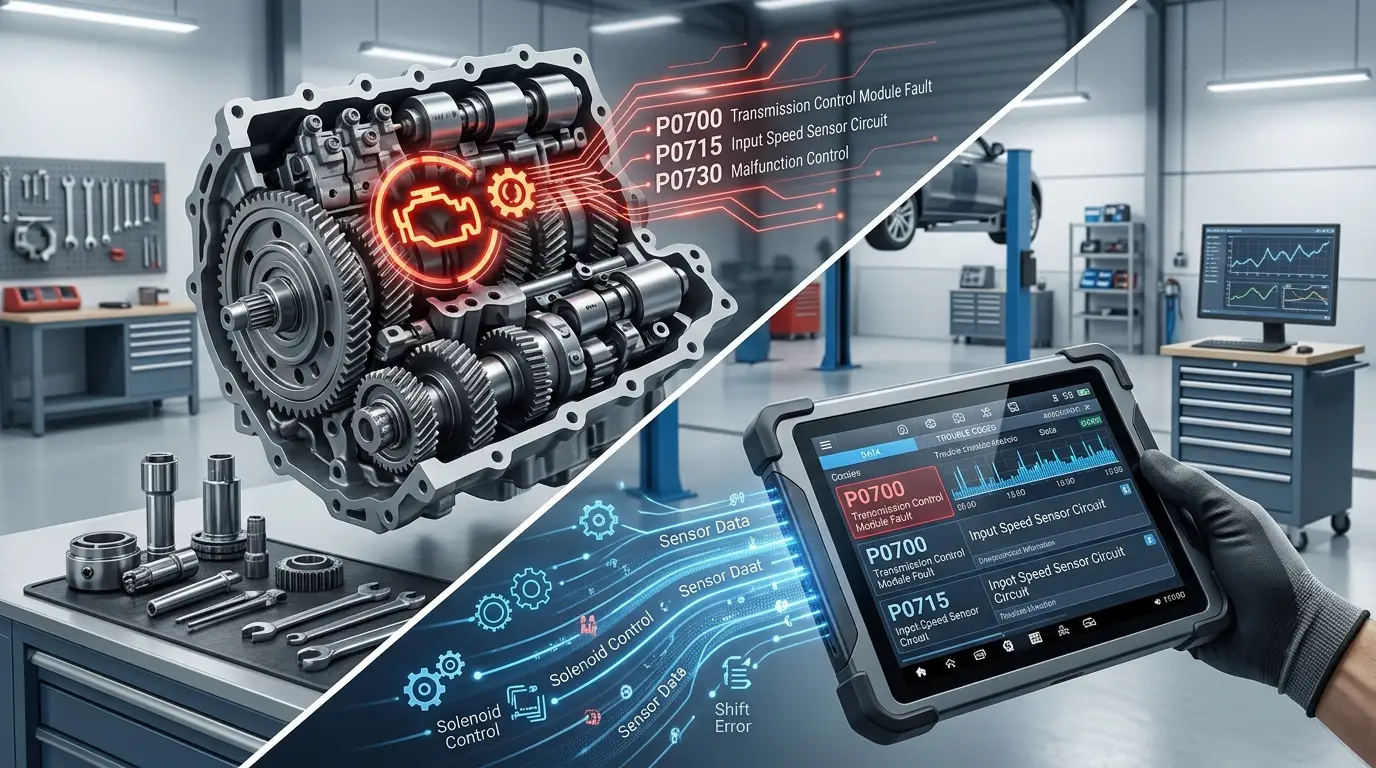
Modern cars come equipped with sensors and warning systems that alert you to potential engine issues. Ignoring a check engine light can turn a minor problem into a major repair.
If your dashboard shows warning lights like “oil pressure”, “temperature”, or “engine check” take your car to a professional for diagnosis immediately. Similarly, listen for unusual noises such as knocking, pinging, or rattling - these could indicate worn bearings, loose components, or detonation issues.
Addressing problems early prevents further damage and ensures your car runs efficiently.
Fuel quality plays a big role in engine longevity. Using low-grade or contaminated fuel can cause buildup in fuel injectors, reduce combustion efficiency, and even damage the engine.
Stick to reputable gas stations and use the recommended octane rating for your vehicle. Occasionally using fuel system cleaners or additives can help remove carbon deposits and improve injector performance.
Tip: Avoid “cheap” fuels or mixing fuel grades, as it can disrupt the combustion balance and harm sensitive components.
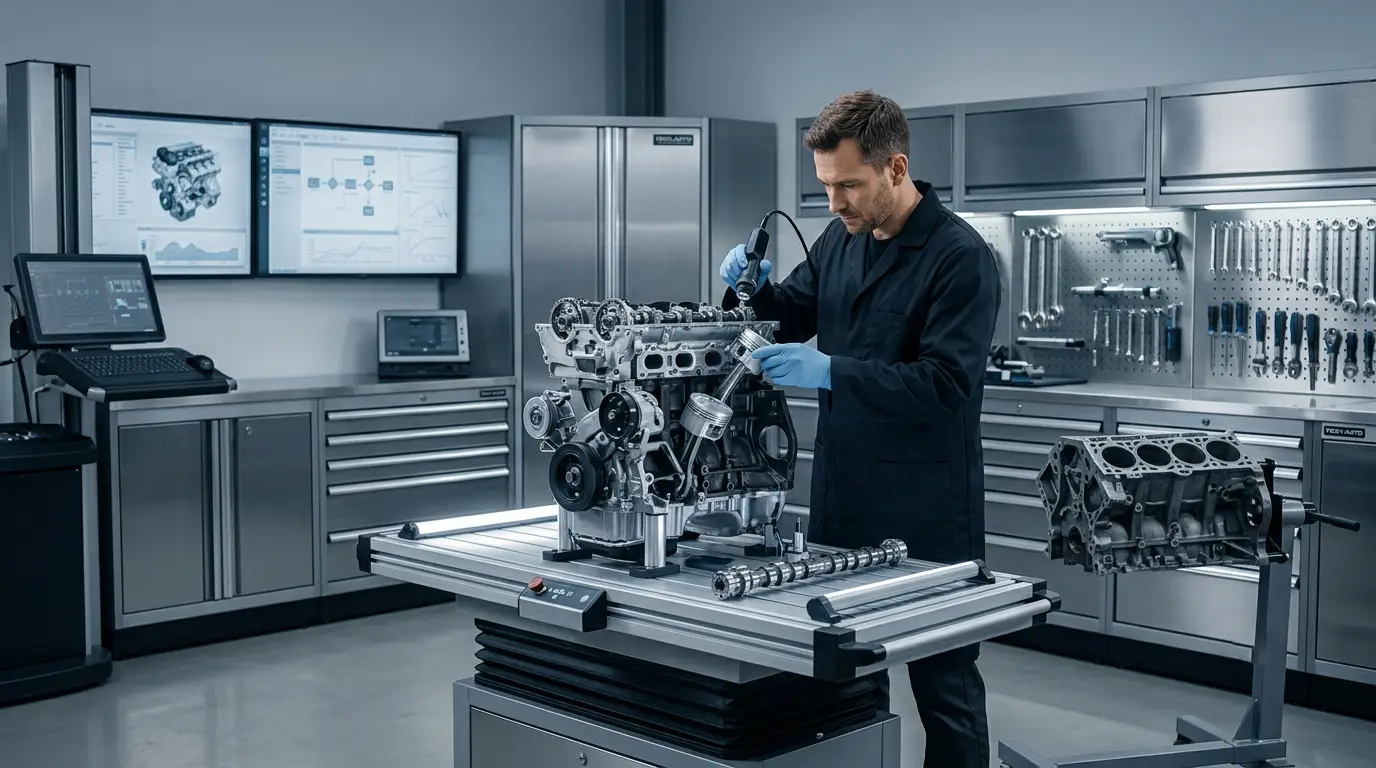
Even if you perform routine maintenance yourself, professional inspections are crucial. Mechanics can detect issues that may not be visible during casual checks - such as worn belts, leaky seals, or timing chain tensioners.
Regular tune-ups every 30,000 to 60,000 miles can help identify and address potential problems early. Technicians also ensure that your engine timing, fuel system, and emissions controls are functioning optimally.
Frequent short trips prevent your engine from reaching optimal operating temperatures. This leads to moisture buildup in the oil and exhaust system, which can cause corrosion over time.
If possible, allow your car to warm up for a few minutes before driving and occasionally take longer trips to help the engine burn off residue.
Similarly, avoid harsh driving habits such as rapid acceleration, sudden braking, and over-revving the engine. Smooth driving reduces strain and extends your engine’s life.
Belts and hoses may not be glamorous components, but they’re essential for proper engine function. The serpentine belt, for example, drives key accessories like the alternator, power steering pump, and water pump. If it breaks, your engine can overheat or stall.
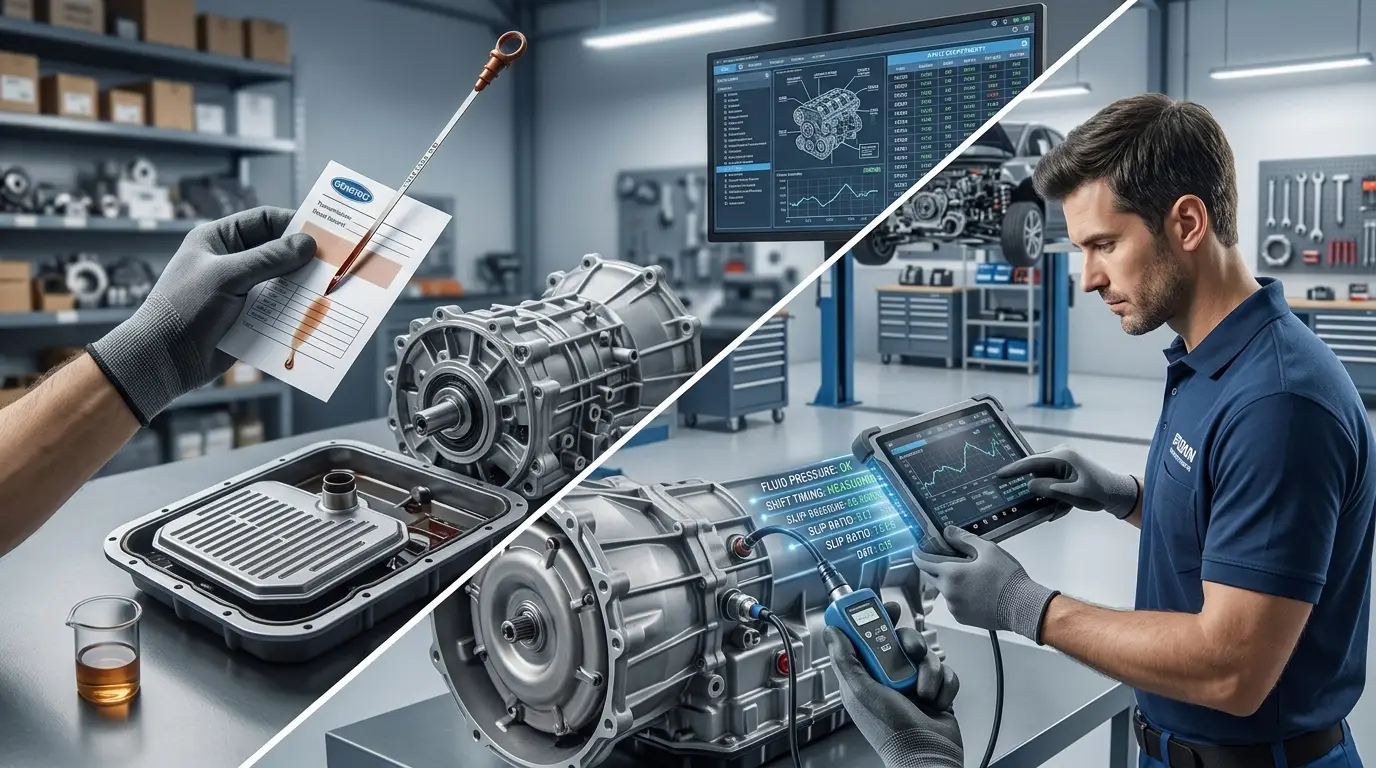
Inspect belts regularly for cracks or fraying, and replace them as needed. Similarly, keep an eye on engine fluids such as transmission fluid, brake fluid, and power steering fluid. Maintaining proper levels prevents overheating and premature wear.
Your car’s engine is a finely tuned piece of machinery, and maintaining it properly is essential for long-term reliability. By following regular service intervals, using quality fluids, and adopting good driving habits, you can significantly extend your engine’s life.
An engine that runs smoothly not only saves you money on repairs but also offers better performance and fuel efficiency. Remember, prevention is always cheaper than repair - so take care of your car’s heart, and it will take care of you on every journey.
You should service your cars engine at least every 5,000 to 7,500 miles, or as recommended by your manufacturer. Regular oil changes and inspections are key.
Common signs include poor acceleration, decreased fuel economy, rough idling, excessive smoke, and illuminated warning lights on the dashboard.
Yes, excessive idling can cause oil contamination, carbon buildup, and reduced fuel efficiency. Modern engines do not need long idling periods to warm up.
Synthetic oil generally provides better protection, performance, and longevity, especially in extreme temperatures or high-performance vehicles.
Regular maintenance, quality fluids, gentle driving habits, and prompt attention to warning signs can easily help your engine surpass 200,000 miles.