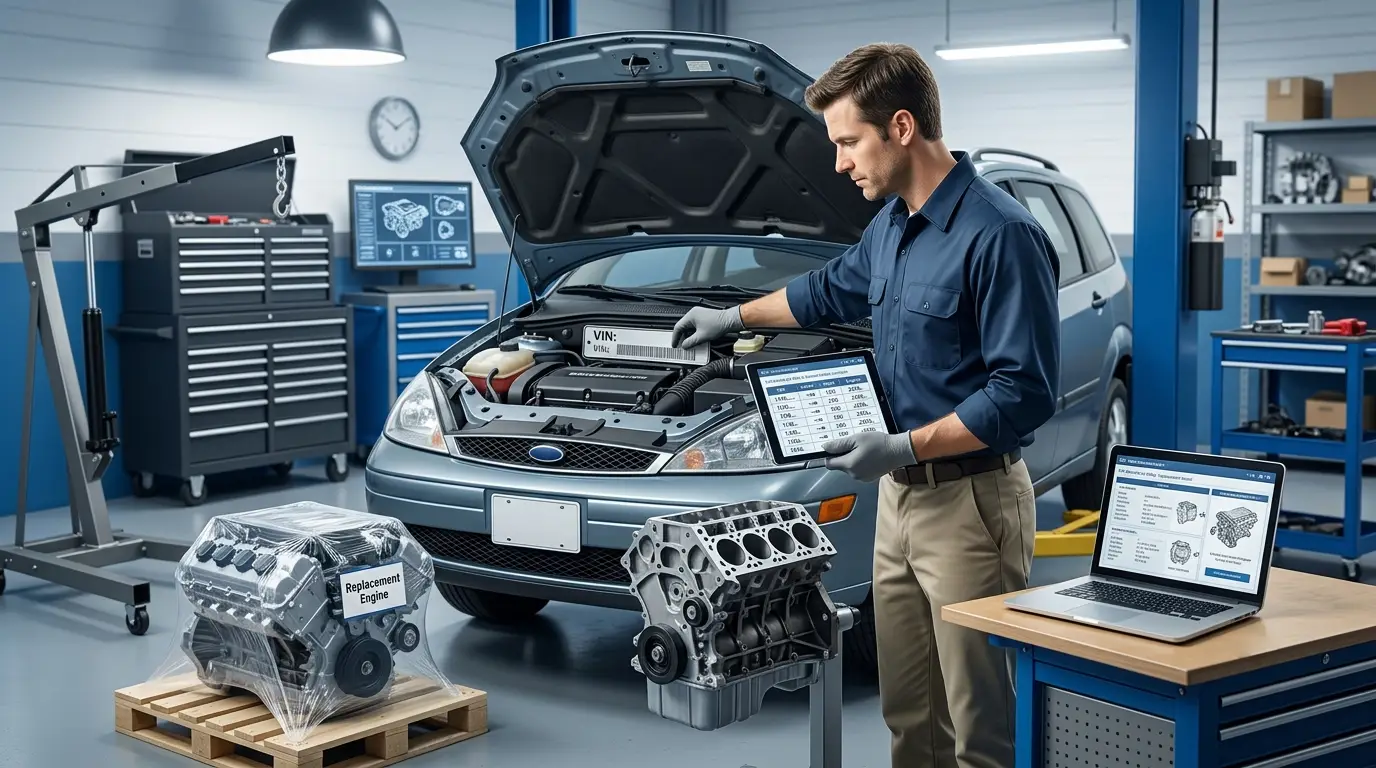


When your vehicle’s engine starts knocking, smoking, or simply gives up, the situation can feel overwhelming. Your first thought might be, “Is my car done for?” The good news is that in many cases, replacing the engine can bring your vehicle back to life - often at a lower cost than buying a new car.
But choosing the right replacement engine isn’t as simple as picking the cheapest option. The wrong choice can lead to compatibility issues, wasted money, and endless frustration. The right one, however, can add years of reliable performance to your vehicle.
This guide walks you through everything you need to know - step by step - to confidently choose the best replacement engine for your car.
Car Engines fail for many reasons, and understanding the cause can help you choose the right replacement.
Common reasons include:
1. Overheating due to coolant failure
2. Oil starvation or sludge buildup
3. Timing belt or chain failure
4. Severe wear from high mileage
5. Hydrolock from water damage
If the rest of your vehicle is in good shape, engine replacement often makes financial sense.
Before choosing a replacement engine, ask yourself a few practical questions:
1. Is the car transmission still in good condition?
2. Is the frame rust-free?
3. How old is the vehicle?
4. How much is the car worth when running?
As a general rule, if the cost of replacement is less than 50% of the vehicle’s value, engine replacement is often a smart decision.
This is one of the most important steps - and one many people skip.
You need to know:
1. Engine size (e.g., 2.0L, 3.5L)
2. Number of cylinders
3. Fuel type (gasoline, diesel, hybrid)
5. Engine code
6. VIN (Vehicle Identification Number)
Even engines that look similar may not be compatible. Small differences in sensors, mounts, or electronics can cause big problems.
Not all replacement engines are the same. Understanding your options helps you balance cost, reliability, and longevity.
Used engines are pulled from vehicles that were wrecked or retired.
A) Most affordable option
B) Widely available
C) Quick turnaround
A) Unknown maintenance history
B) Shorter lifespan
C) Limited warranty
Best for older vehicles or tight budgets.
Remanufactured engines are completely rebuilt to factory specifications.
A) Restored with new components
B) Thoroughly tested
C) Longer warranties
A) More expensive than used engines
B) Longer lead time
This option offers the best balance of reliability and cost.
Rebuilt engines are partially refurbished, replacing only worn or damaged components.
A) Cheaper than remanufactured
B) Better than used engines
A) Quality varies by builder
B) Not always fully restored
Quality depends heavily on who did the rebuild.
Crate engines are brand-new engines from manufacturers or performance builders.
A) Zero miles
B) Maximum reliability
C) Excellent warranties
A) expensive option
B) Overkill for many vehicles
Best for classic cars, performance builds, or long-term ownership.
Compatibility goes beyond engine size.
Make sure the replacement engine matches:
1. Mounting points
3. Emissions standards
4. Computer control systems
5. Sensor configurations
Even a “similar” engine can fail if electronics don’t communicate properly.
Modern vehicles must meet emissions standards set by law.
Important considerations:
1. Engine must be from the same model year or newer
2. Emissions equipment must match your vehicle
3. Some regions require emissions certification
Installing a non-compliant engine can result in failed inspections or fines.
When considering a used or rebuilt engine, mileage often matters more than age.
A well-maintained engine with 80,000 miles may outperform a neglected engine with 40,000 miles. Always ask for:
1. Service records
2. Compression test results
3. Leak-down test results
These provide insight into engine health.
Never buy a replacement engine without a warranty.
Good warranties should include:
1. At least 6–12 months coverage
2. Parts and labor options
3. Nationwide support
4. Clear terms and exclusions
If a seller avoids warranty discussions, walk away.
Your engine is only as good as the seller behind it.
Look for suppliers who:
1. Have strong customer reviews
2. Provide VIN-based matching
3. Offer written warranties
4. Allow inspection before shipping
Avoid deals that sound too good to be true - they usually are.
The engine itself is only part of the total cost.
Installation costs may include:
1. Labor charges
2. New gaskets and seals
3. Fluids and filters
4. ECU reprogramming
5. Break-in procedures
Always get a full quote before committing.
While the engine is out, it’s smart to replace:
1. Timing belt or chain
2. Water pump
3. Engine mounts
4. Spark plugs
5. Sensors showing wear
Doing this now saves labor costs later.
Some experienced mechanics install engines themselves - but it’s not for everyone.
A) Lower labor costs
B) Full control over process
A) High risk of mistakes
B) No labor warranty
C) Requires specialized tools
For most people, professional installation is the safer choice.
Typical timelines:
A) Used engine: 3–7 days
B) Rebuilt/remanufactured: 1–3 weeks
C) Custom builds: longer
Delays may occur due to parts availability or inspections.
New or rebuilt engines require a break-in period.
Best practices include:
1. Avoid hard acceleration initially
2. Change oil early
3. Monitor fluid levels
4. Follow manufacturer guidelines
Proper break-in extends engine life significantly.
1. Choosing price over compatibility
2. Ignoring warranty details
3. Skipping emissions compliance
4. Reusing worn components
5. Not verifying engine codes
Avoiding these mistakes saves money and stress.
You’ll know you made the right choice when:
1.The engine runs smoothly
2. No warning lights appear
3. Fuel efficiency improves
4. Performance feels consistent
5.There are no leaks or unusual noises
Peace of mind is the real reward.
Choosing the right replacement engine isn’t just about fixing a problem - it’s about extending the life of your vehicle wisely. Whether you choose a used engine to save money or a remanufactured engine for long-term reliability, the key is compatibility, quality, and support.
Take your time, ask the right questions, and don’t cut corners. A smart engine choice today can keep you driving confidently for years to come.
Costs range from $1,500 for used car engines to $7,000+ for new or remanufactured ones, excluding labor.
No, this requires major modifications and is rarely practical or legal.
A quality replacement engine can last 100,000 miles or more with proper maintenance.
Yes, remanufactured engines are fully restored to factory standards and usually come with better warranties.
It can improve value and marketability, especially if documented with a warranty and service records.