A car’s transmission is one of its most crucial components - it ensures power from the engine is smoothly delivered to the wheels. When your transmission begins to fail, your entire driving experience changes. You might feel rough shifting, delayed gear engagement, or strange noises. Ignoring these symptoms can lead to a complete breakdown and expensive repairs.
Understanding the signs of transmission failure and how to fix them can save you time, stress, and thousands of dollars. This guide will walk you through the warning signs, causes, and effective solutions for a failing transmission - helping you keep your car running smoothly and safely.
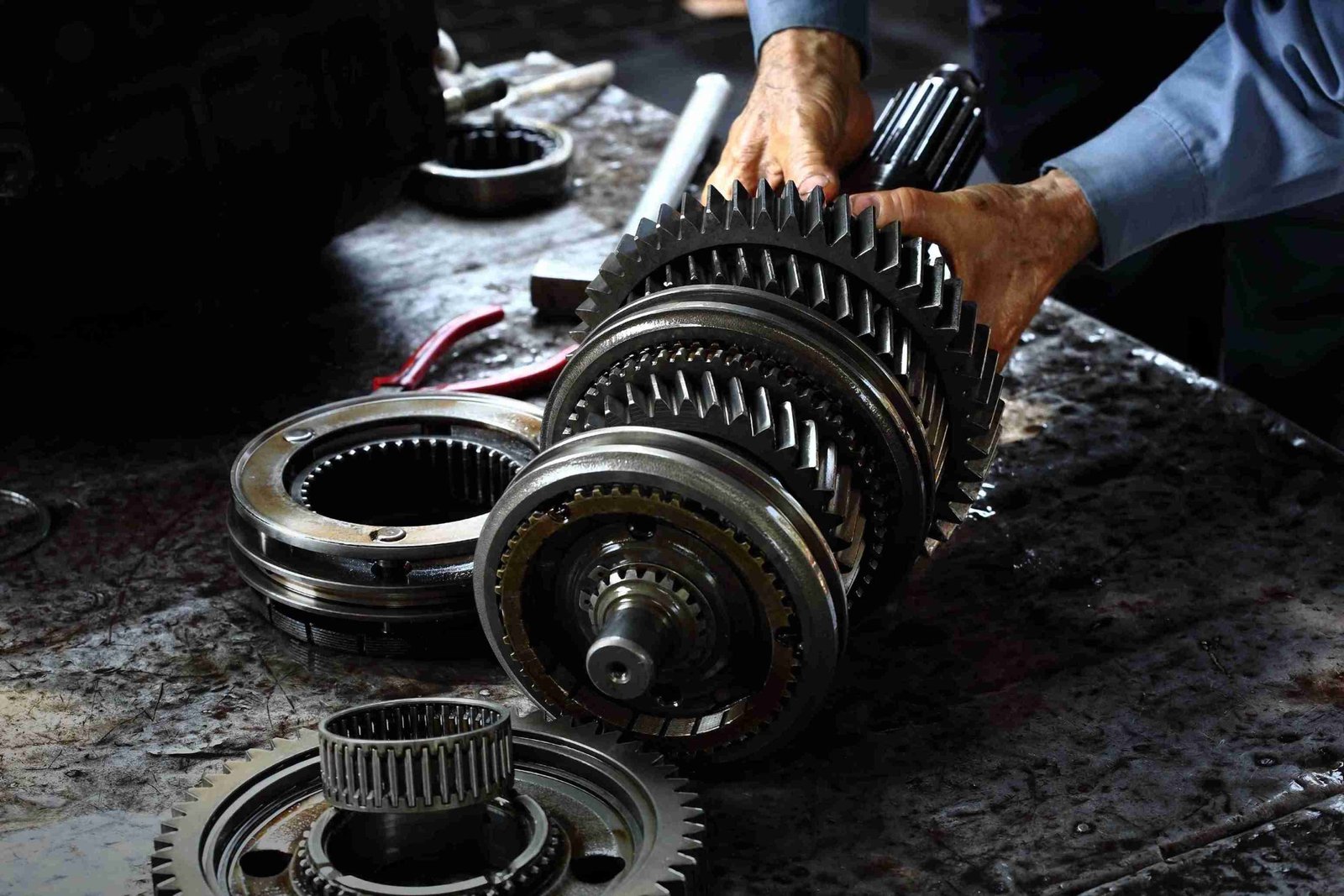
Before identifying signs of failure, it’s helpful to understand how the transmission works. Essentially, it transfers power from your engine to the wheels and adjusts that power according to your speed and load.
Automatic transmissions handle this process through a series of hydraulic and mechanical components. Manual transmissions, on the other hand, rely on the clutch and gear shifts managed by the driver.
Regardless of type, your car transmission must operate with precision. If any part - such as the fluid, gears, or clutch - starts malfunctioning, you’ll quickly notice performance issues.
One of the most common indicators of a failing transmission is gear slipping. This happens when your car unexpectedly changes gears while driving, or the engine revs without corresponding acceleration.
You may also notice a sudden drop in power or jerky movements when shifting. In automatic cars, this can feel like your vehicle is “searching” for the right gear.
Causes of gear slipping include:
1) Low or dirty transmission fluid
2) Worn-out clutch plates (in manual transmissions)
3) Failing transmission bands or solenoids
4) Damaged torque converter
How to fix it:
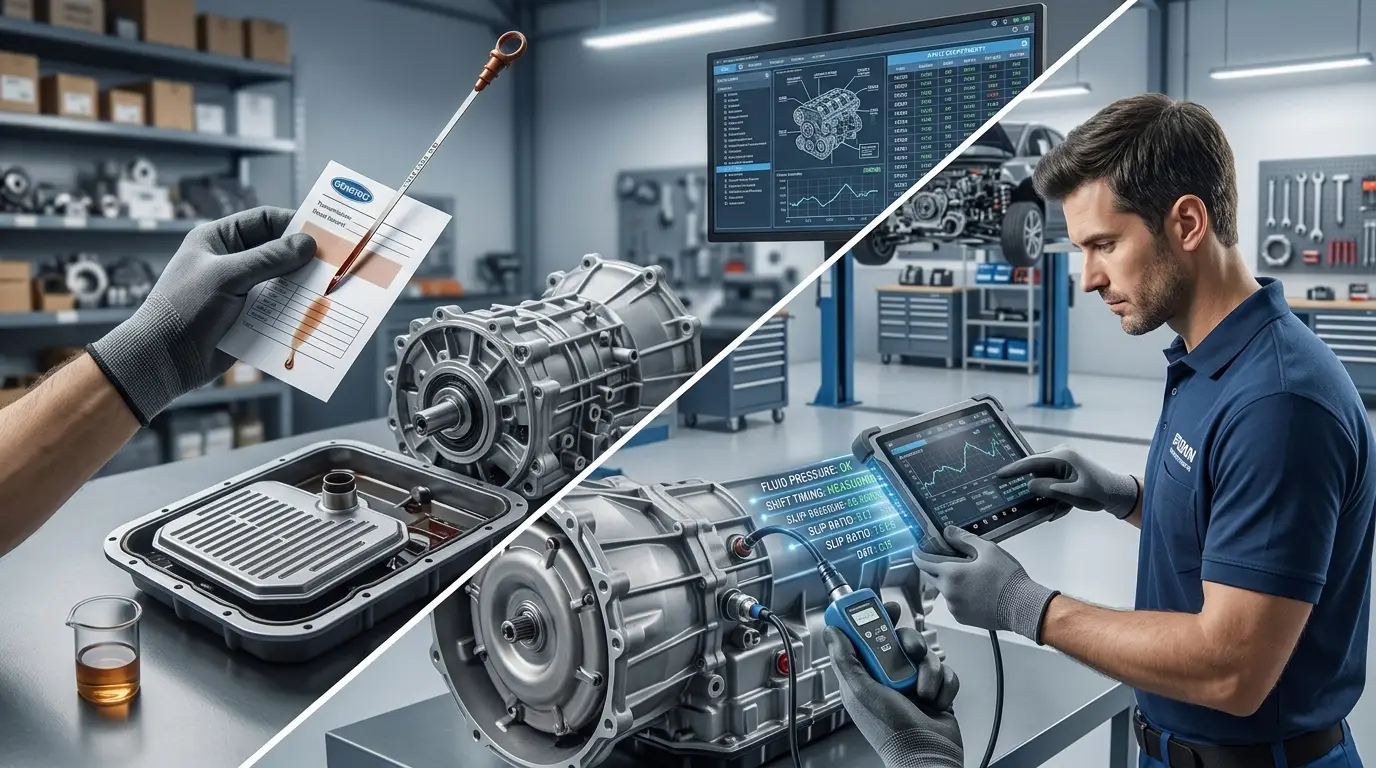
Start by checking your Car transmission fluid level and quality. If it’s dark, burnt, or low, a fluid change may resolve the issue. If the problem persists, visit a mechanic - internal damage may require a rebuild or component replacement.
Smooth gear transitions are a sign of a healthy transmission. When you start experiencing delayed or rough shifting, it’s a clear sign that something’s wrong.
You might notice that your car hesitates before shifting, jolts when changing gears, or feels clunky while accelerating.
Common causes include:
1) Low or contaminated fluid
2) Malfunctioning shift solenoids
3) Worn-out gears or synchronizers
4) Problems with the clutch assembly (manual)
Fix: If you drive an automatic, a transmission fluid flush may solve the problem. For manual transmissions, the issue might lie with the clutch or pressure plate - which may need adjustment or replacement.
Don’t ignore these symptoms; continued driving under these conditions can lead to total transmission failure.
A well-functioning transmission should operate quietly. Any new or strange noises - such as whining, grinding, or clunking - are signs of trouble.
1) Whining noises in automatic cars often indicate worn-out bearings or a problem with the torque converter.
2) Grinding noises usually point to gear or clutch wear in manual transmissions.
3) Clunking or thudding sounds may suggest internal damage or issues with the driveshaft or transmission mounts.
How to fix it: Inspect the transmission fluid first. Low fluid levels cause friction and noise. If the fluid is fine, it’s time to see a mechanic. Continuing to drive with grinding or whining noises can lead to severe internal damage and costly repairs.
Transmission fluid leaks are easy to identify but often ignored until serious damage occurs. This bright red or pink fluid is vital for cooling and lubricating your transmission.
If you notice a puddle under your car or a burning smell, it’s a warning sign. Leaks often occur due to:
1) Worn-out seals or gaskets
2) Loose bolts or drain plugs
3) Damaged transmission pan
4) Cracked fluid lines
Fix: Locate the source of the leak and replace the damaged component. Check all seals and hoses for cracks. If you’re unsure where the leak is coming from, have a professional perform a pressure test to diagnose it properly.
Driving with low fluid levels will quickly lead to overheating, friction, and eventual transmission failure - so address leaks immediately.
A burning odor is never a good sign. When transmission fluid overheats, it produces a distinct burnt smell, often accompanied by smoke or slipping gears.
Overheating can result from:
1) Low fluid levels
2) Dirty or old transmission fluid
3) Excessive towing or driving in hot conditions
How to fix it: If the smell is mild and fluid levels are low, top up with the correct manufacturer-recommended fluid. If it smells burnt, it means the fluid has oxidized - you’ll need to flush and replace it.
Continuing to drive with burnt transmission fluid can permanently damage internal parts, including the clutch and seals.
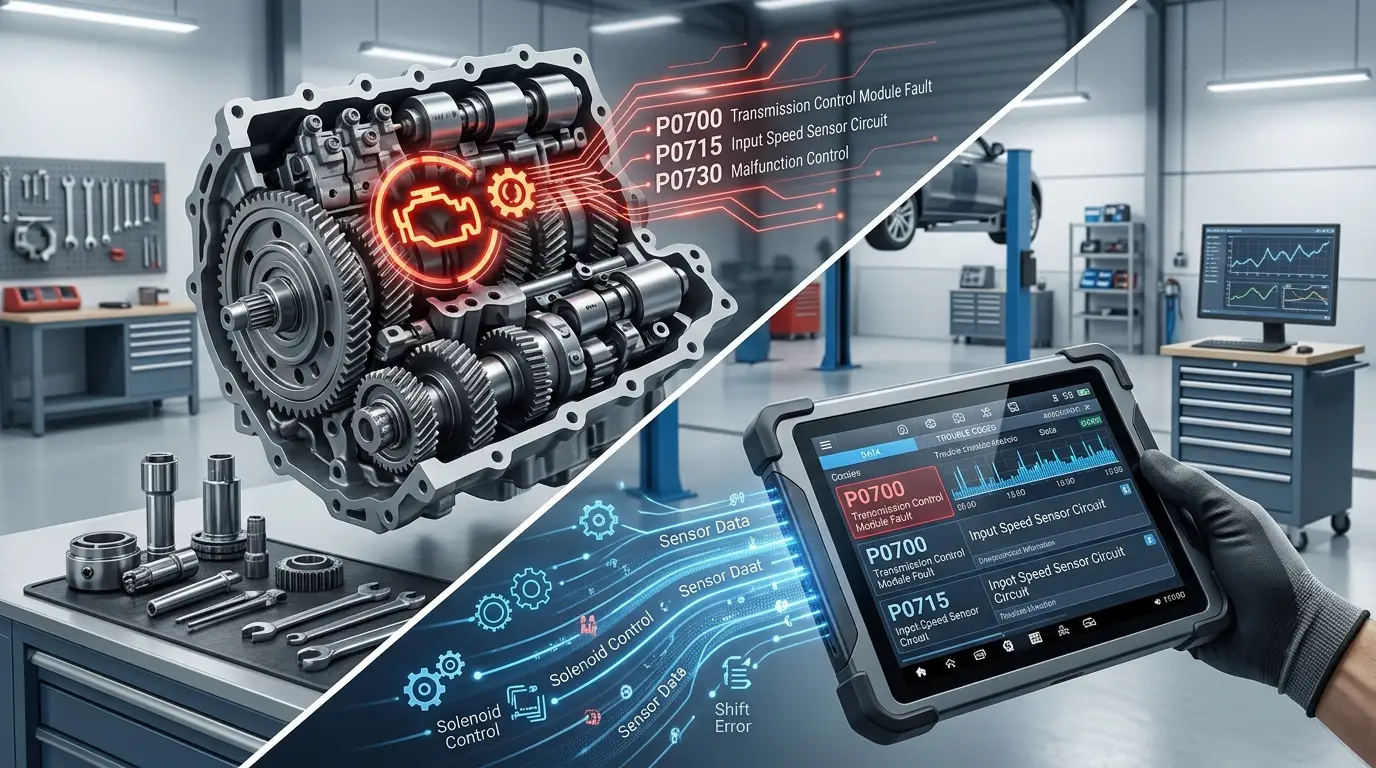
Modern vehicles have sensors that detect early signs of transmission problems. If your Check Engine or Transmission Warning Light turns on, don’t ignore it.
These sensors monitor temperature, fluid pressure, and gear performance. A flashing or steady warning light indicates that the system has detected a malfunction.
Fix: Use an OBD-II scanner to read the error codes. The codes can tell you whether the issue involves fluid pressure, solenoids, or another internal fault. Seek professional help if you’re unsure - early diagnosis can prevent bigger issues later.
Clean transmission fluid is crucial for smooth gear shifting. Over time, metal shavings, dirt, and clutch material can contaminate the fluid.
Contaminated fluid reduces lubrication, increases friction, and eventually damages the gears and seals.
Fix: Inspect the transmission fluid regularly. It should appear bright red and clear. If it’s brown, black, or full of debris, flush and replace it immediately. Also, check the transmission filter - a clogged filter can restrict fluid flow and cause similar issues.
If your car refuses to shift into gear - or the gear selector feels stiff - it’s a serious warning sign. This issue is common in both manual and automatic transmissions and could result from:
1) Low transmission fluid
2) Faulty clutch or pressure plate
3) Damaged linkage or shift cable
4) Internal hydraulic failure
Fix: First, check the transmission fluid and clutch linkage. If both seem fine, you may have an internal mechanical failure, which requires professional attention. Do not force the gear shifter - doing so can worsen the problem.
If your car unexpectedly jerks forward or surges while driving, your transmission may be struggling to deliver consistent power. This often happens when the transmission fluid is too thick, contaminated, or at low levels.
Fix: Perform a fluid flush and refill. If the issue persists, the torque converter or solenoid may be malfunctioning - a mechanic can test these components for proper function.
When a transmission starts to fail, it can cause your car to stall, hesitate, or lose power. You might press the gas pedal, but the vehicle doesn’t respond as it should.
This usually points to a worn-out clutch, bad torque converter, or faulty transmission control module.
Fix: Inspect the transmission fluid and check for diagnostic codes. If no external issues are found, a professional rebuild or software reset might be necessary.
Its not safe to drive with a failing transmission. Continuing to do so can cause further internal damage, leaving you stranded or facing a full replacement cost.
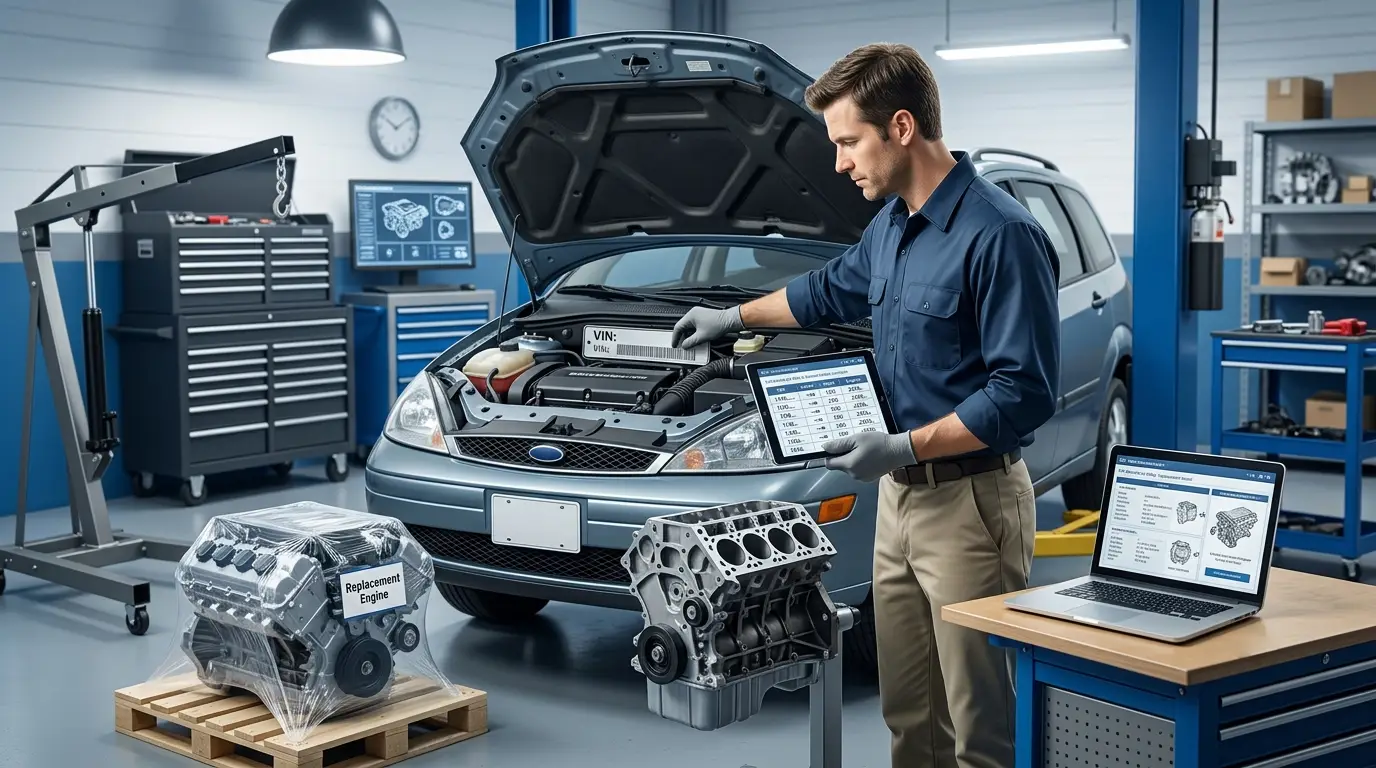
Repair costs vary. Minor fixes like fluid leaks may cost $150–$400, while full rebuilds or replacements can range from $1,500 to $5,000 depending on your vehicle.
Low or contaminated transmission fluid is the leading cause. It leads to overheating, gear slippage, and eventual internal damage if not addressed.
You can handle minor issues like fluid changes or replacing a gasket, but internal repairs require expertise and specialized tools. Its best to leave complex fixes to professionals.
Regular maintenance is key. Check fluid levels, service your transmission every 30,000–60,000 miles, and avoid aggressive driving or towing beyond capacity.
A failing transmission doesn’t happen overnight - it gives you multiple warning signs before breaking down completely. By paying attention to slipping gears, leaks, noises, and delayed shifts, you can catch problems early and avoid a costly replacement.
Proper maintenance, such as routine fluid checks, avoiding overheating, and professional inspections, can significantly extend your transmission’s life. Remember, prevention is far cheaper than repair.
If you notice any of these signs, act quickly. A timely visit to your mechanic can mean the difference between a simple fluid change and a full transmission rebuild - saving you money and keeping your car running smoothly for years.