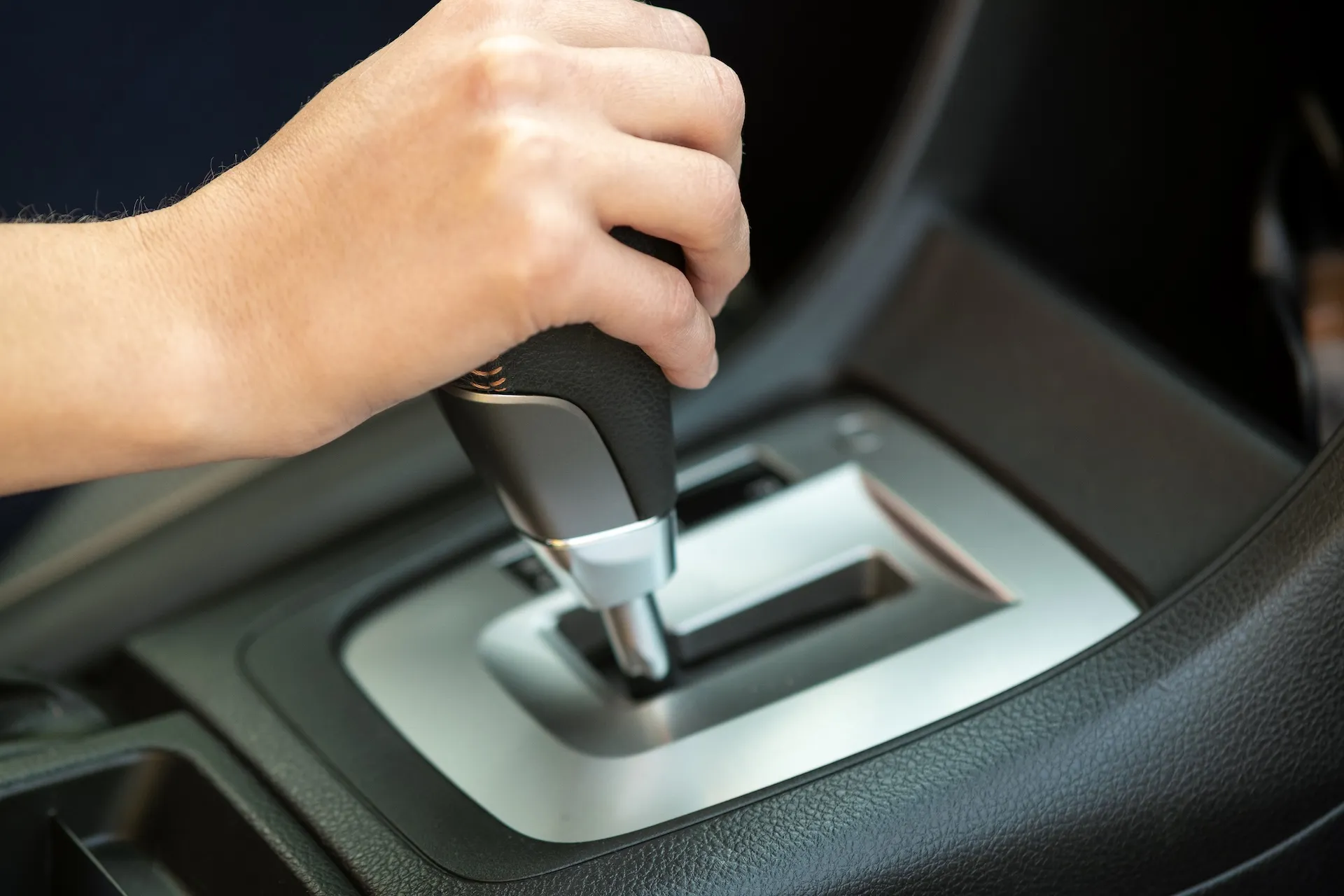

Your car’s transmission is one of its most vital components - it transfers power from the engine to the wheels, allowing your vehicle to move smoothly. When it functions properly, gear shifts are seamless, and your driving experience is effortless. But if the transmission begins to fail, you’ll notice rough shifting, slipping gears, or strange noises, which can lead to expensive repairs or even total replacement.
Maintaining your transmission is crucial if you want to avoid costly issues down the road. The good news? With a bit of attention and routine care, you can keep your transmission running smoothly for years. This article provides essential tips for maintaining your transmission, ensuring smooth shifting and long-term performance.
Your transmission - whether manual or automatic - operates under intense heat and friction. It contains numerous gears, bearings, and hydraulic components that must work together with precise timing. Transmission fluid acts as a lubricant and coolant, reducing wear and maintaining optimal performance.
However, when the fluid becomes dirty or the system lacks maintenance, the transmission starts to degrade. A neglected transmission can cause:
1. Slipping gears or delayed shifting
2. Grinding or whining noises
3. Fluid leaks under the vehicle
4. Poor acceleration and fuel efficiency
5. Complete transmission failure
Routine maintenance is far less expensive than a rebuild or replacement, which can cost anywhere from $1,500 to $5,000. With regular care, you can avoid these problems entirely.
Transmission fluid is the lifeblood of your system. It lubricates moving parts, cleans internal components, and cools the transmission. Without the right amount and quality of fluid, heat builds up, leading to severe damage.
Here’s how to check your transmission fluid:
1. Park your car on a flat surface and let the engine idle.
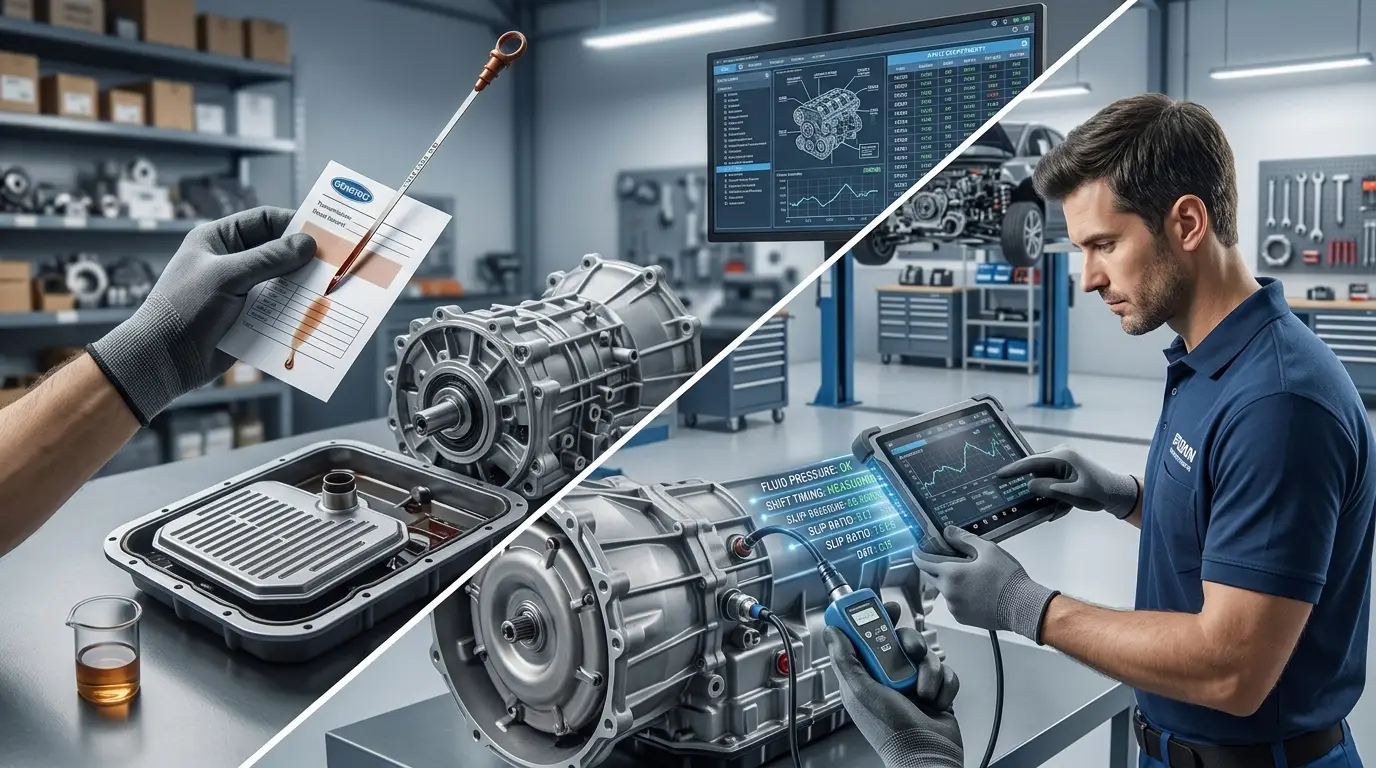
2. Pull out the transmission dipstick (usually marked with red or orange).
3. Wipe it clean, reinsert it, and pull it out again.
4. Check the fluid level and color.
Healthy transmission fluid should be bright red and clear, not dark or burnt-smelling. If the fluid looks brown or has a burnt odor, it’s time for a change.
Automatic transmissions especially depend on proper fluid maintenance. Even slightly low fluid levels can cause rough shifting or slipping.
Just like engine oil, transmission fluid breaks down over time. It collects debris, metal shavings, and contaminants from normal wear. Old fluid loses its ability to cool and lubricate, increasing the risk of internal damage.
How often should you change it?
1. For automatic transmissions, every 30,000 to 60,000 miles is recommended.
2. For manual transmissions, check every 30,000 miles or as advised in your owner’s manual.
If you frequently drive in heavy traffic, tow trailers, or live in a hot climate, change your transmission fluid more often. Regular fluid changes are one of the easiest and most effective ways to ensure smooth shifting and longevity.
Not all transmission fluids are the same. Each vehicle has specific requirements based on viscosity and chemical composition. Using the wrong fluid type can cause slipping, overheating, or premature wear.
Always check your owner’s manual or the manufacturer’s recommendation for the correct fluid type. Using genuine or approved transmission fluid ensures compatibility with your system’s seals, gaskets, and hydraulic mechanisms.
If you’re unsure, consult a mechanic or dealership - using generic or unapproved fluids can cause irreversible damage.
Overloading your vehicle with excessive weight can put immense stress on your transmission. When your car carries more than its recommended capacity, the transmission works harder to deliver power, generating more heat and pressure.
Excessive towing, carrying heavy cargo, or even driving up steep inclines frequently can cause your transmission to overheat. To prevent this:
1. Always stay within your vehicle’s towing and weight capacity.
2. Install a transmission cooler if you often tow trailers or drive long distances.
3. Avoid sudden acceleration with heavy loads.
Keeping your vehicle’s weight balanced reduces strain on your transmission and ensures smoother gear changes.
Transmission problems rarely appear overnight. Your vehicle gives subtle hints when something’s wrong. Ignoring them can lead to major damage.
Here are some early signs of transmission trouble:
1. Slipping gears or delayed engagement when shifting.
2. Unusual noises like grinding, whining, or humming.
3. Leaking transmission fluid, usually reddish in color.
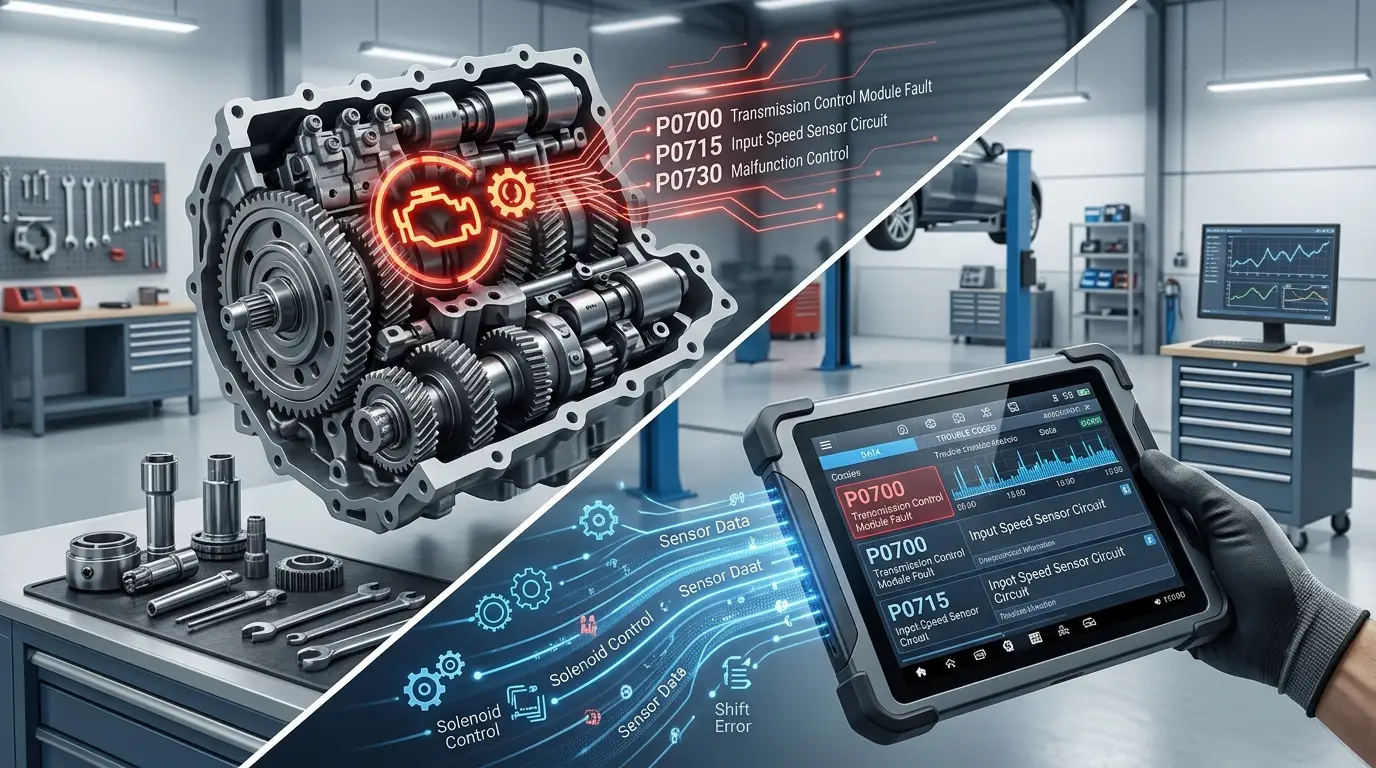
4. Check Engine or Transmission warning light on the dashboard.
5. Rough or jerky gear changes, especially in automatic cars.
At the first sign of trouble, have your car inspected by a qualified mechanic. Early diagnosis can save you thousands in potential repair costs.
How you drive directly affects your transmission’s lifespan. Rapid acceleration, hard braking, and sudden gear shifts all generate unnecessary stress on the system.
To maintain smooth shifting:
1. Accelerate gradually.
2. Avoid riding the clutch in manual transmissions.
3. Don’t shift from Drive to Reverse without stopping completely.
4. Keep your RPMs moderate - excessive revving wears out gears faster.
Gentle driving not only prolongs your transmission’s life but also improves fuel efficiency and reduces overall wear on your car.
Just like your engine oil, transmission fluid performs best when it’s warm. Starting your vehicle and immediately pushing it to high speeds can cause the fluid to circulate poorly, especially in cold weather.
Take a minute to let your car idle before driving off. This gives the fluid time to warm up and ensures proper lubrication of all internal components. It’s a simple habit that can significantly extend your transmission’s life.
Even if your vehicle seems fine, a professional inspection can catch issues before they become serious. During a transmission service, mechanics typically:
1. Check fluid levels and quality.
2. Inspect for leaks, corrosion, or damaged seals.
3. Examine the torque converter and clutch components.
4. Ensure the software in modern transmissions is up-to-date.
Having your transmission inspected every 15,000 to 30,000 miles can help detect potential problems early, saving time and money in the long run.
Your transmission relies on the engine’s cooling system to prevent overheating. If the radiator or cooling lines fail, transmission fluid temperatures can skyrocket - causing seals and clutches to deteriorate.
Check your coolant levels regularly and make sure the radiator is functioning correctly. If your vehicle’s transmission has a separate cooler, inspect it for blockages or leaks. Keeping the transmission cool is one of the best ways to ensure smooth shifting.
Transmission leaks are among the most common yet most ignored issues. If you notice red or pink fluid under your car, it’s a sign that transmission fluid is escaping.
Driving with low fluid levels can cause your transmission to overheat and fail quickly. Always address leaks promptly - it’s usually just a worn-out gasket or loose hose, which is inexpensive to fix compared to a full rebuild.
You should have your transmission inspected or serviced every 30,000 miles or as recommended by your vehicle manufacturer. Regular maintenance prevents major problems from developing unnoticed.
If you experience delayed shifting, slipping gears, overheating, or see red fluid leaks under your car, you likely have low transmission fluid. Check the dipstick and refill as needed.
No. Always use the fluid specified by your vehicles manufacturer. Using the wrong type can cause slipping, overheating, or even permanent damage to your transmission system.
With proper maintenance, most transmissions can last between 150,000 and 250,000 miles. However, poor driving habits and neglected fluid changes can shorten that lifespan significantly.
No, its risky. A slipping transmission can cause unpredictable gear changes and potential safety hazards. Continuing to drive with this issue can cause further damage and higher repair costs.
Maintaining your transmission is not just about preventing breakdowns - it’s about ensuring smooth performance, reliable shifting, and long vehicle life. By checking your transmission fluid regularly, avoiding aggressive driving, and addressing small issues early, you can save yourself from costly repairs.
Remember, your transmission works hard every time you drive. Treat it well by using the correct fluid, keeping it cool, and servicing it on schedule. Whether you drive a manual or automatic vehicle, consistent maintenance will keep your car shifting smoothly for years to come.
Taking care of your transmission isn’t complicated - it’s smart car ownership. A little attention today will ensure a smoother, safer, and more enjoyable ride tomorrow.