Replacing a failing engine or transmission can feel like giving your car a second life. The vehicle runs again, the major breakdown is behind you, and the road opens back up. But once the installation is done, most drivers start asking the same thing: what happens to fuel efficiency after using a used engine and transmission?
It is a fair question, and honestly, it is one of the most important ones. Fuel economy affects your daily cost, your long-term ownership experience, and how satisfied you feel with the replacement. After all, saving money on a used engine or transmission does not feel like much of a win if your vehicle starts burning more fuel than it should.
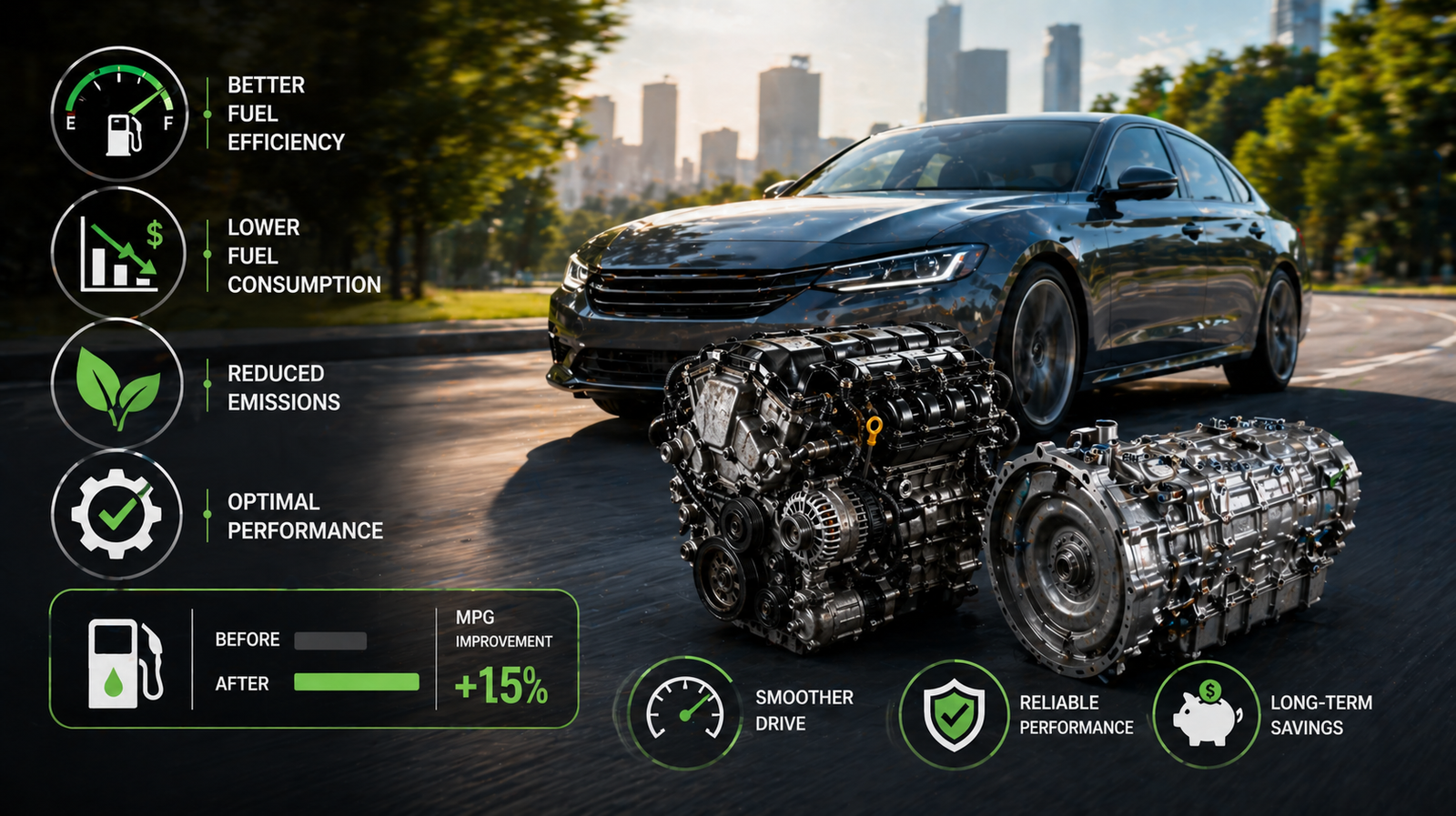
The good news is simple. A used engine and transmission can absolutely deliver solid fuel efficiency. In many cases, they can even improve it compared to the worn-out components they replaced. But that outcome depends on several factors, and this is where the details matter.
Fuel efficiency after installing used drivetrain parts is not just about the part itself. It is about condition, compatibility, installation quality, and how well the replacement components work together. Let’s break it down in practical terms.
Yes, they absolutely can. The engine and transmission are the two biggest players in your vehicle’s fuel economy.
The engine produces power by burning fuel. The transmission manages how that power is delivered to the wheels. If both components are working efficiently, your car uses fuel wisely. If either one struggles, fuel consumption rises.
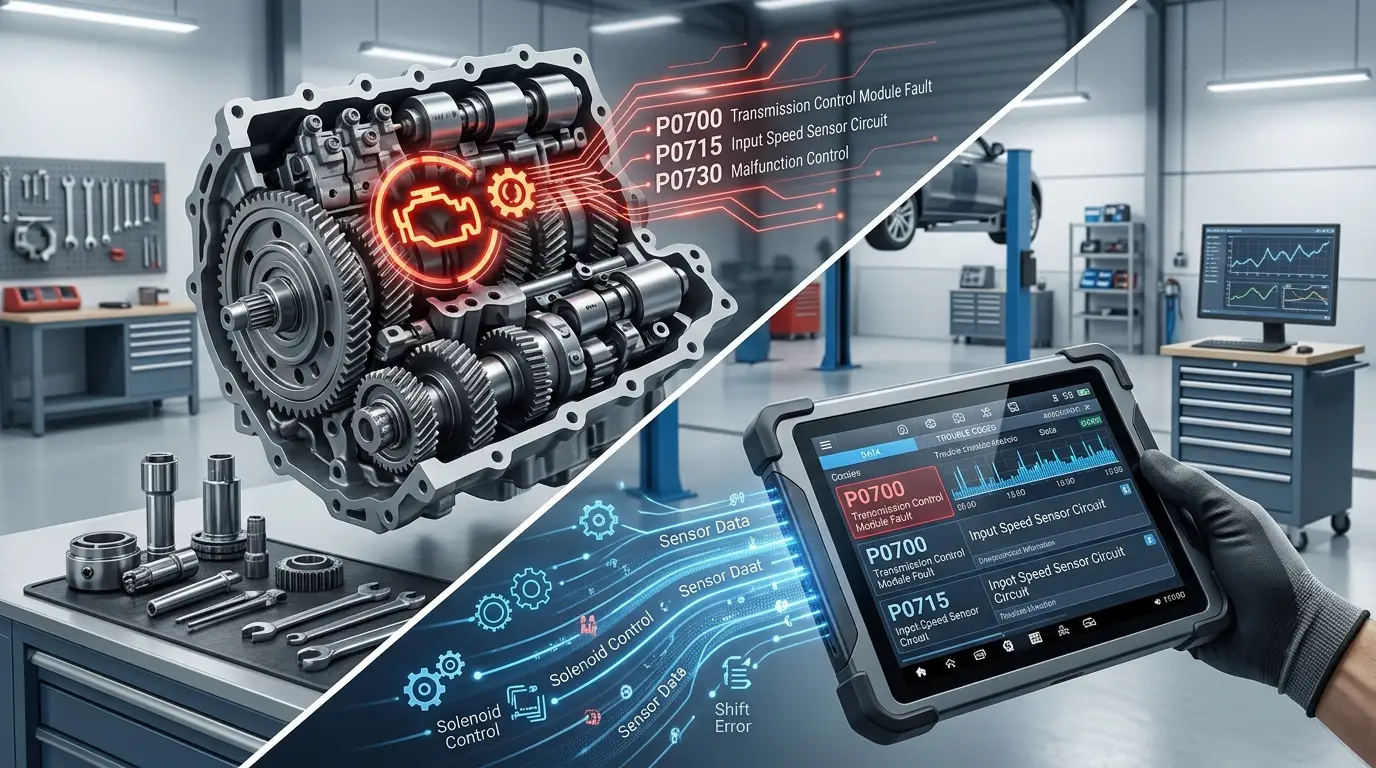
A worn engine may burn too much fuel because of poor compression, carbon buildup, or tired injectors. A failing transmission may shift poorly, hold gears too long, or create excess drag. Replace both with healthy used parts, and your fuel economy may improve noticeably.
That said, a used engine and transmission are not magic parts. They do not guarantee better mileage on their own. They simply restore the vehicle’s ability to operate closer to normal.
There are several reasons fuel economy may improve after installing a used engine and transmission.
If your old engine was worn out, it was likely wasting fuel with every cycle. A better-condition used engine restores more efficient combustion, which often means improved miles per gallon.
A failing transmission can quietly ruin fuel economy. Hard shifts, delayed shifts, or slipping gears force the engine to work harder. A solid used transmission helps the engine stay in the right power band, which improves efficiency.
Think of it like riding a bicycle with loose brakes. You can still move, but it takes more effort. Worn drivetrain parts do the same thing to your engine.
Not every used engine or transmission improves mileage. In some cases, fuel economy gets worse. Usually, this happens because of poor planning or poor part quality.
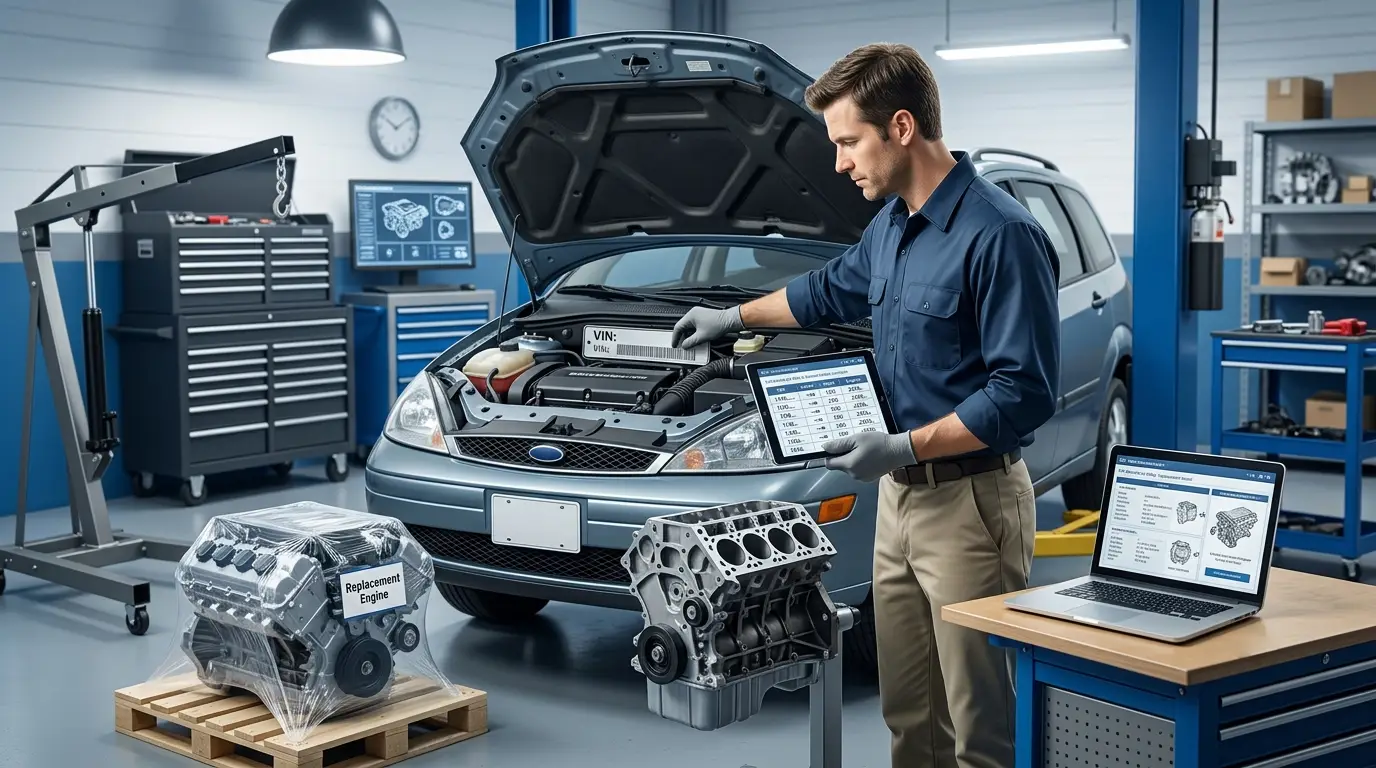
This is one of the biggest issues. If the replacement transmission is not properly matched to the engine, shift timing and gear ratios may work against fuel economy.
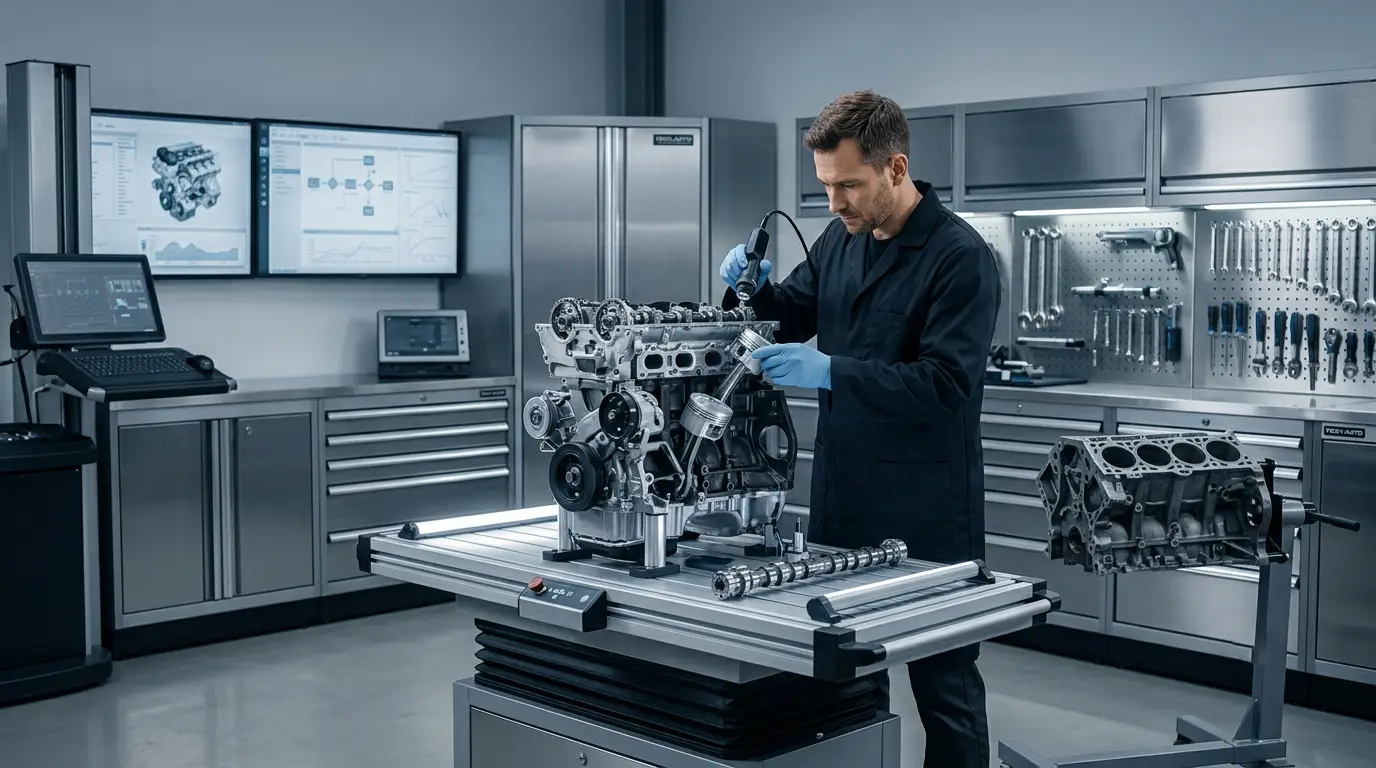
A good used engine installed badly will still perform badly. Installation quality matters just as much as the part itself.
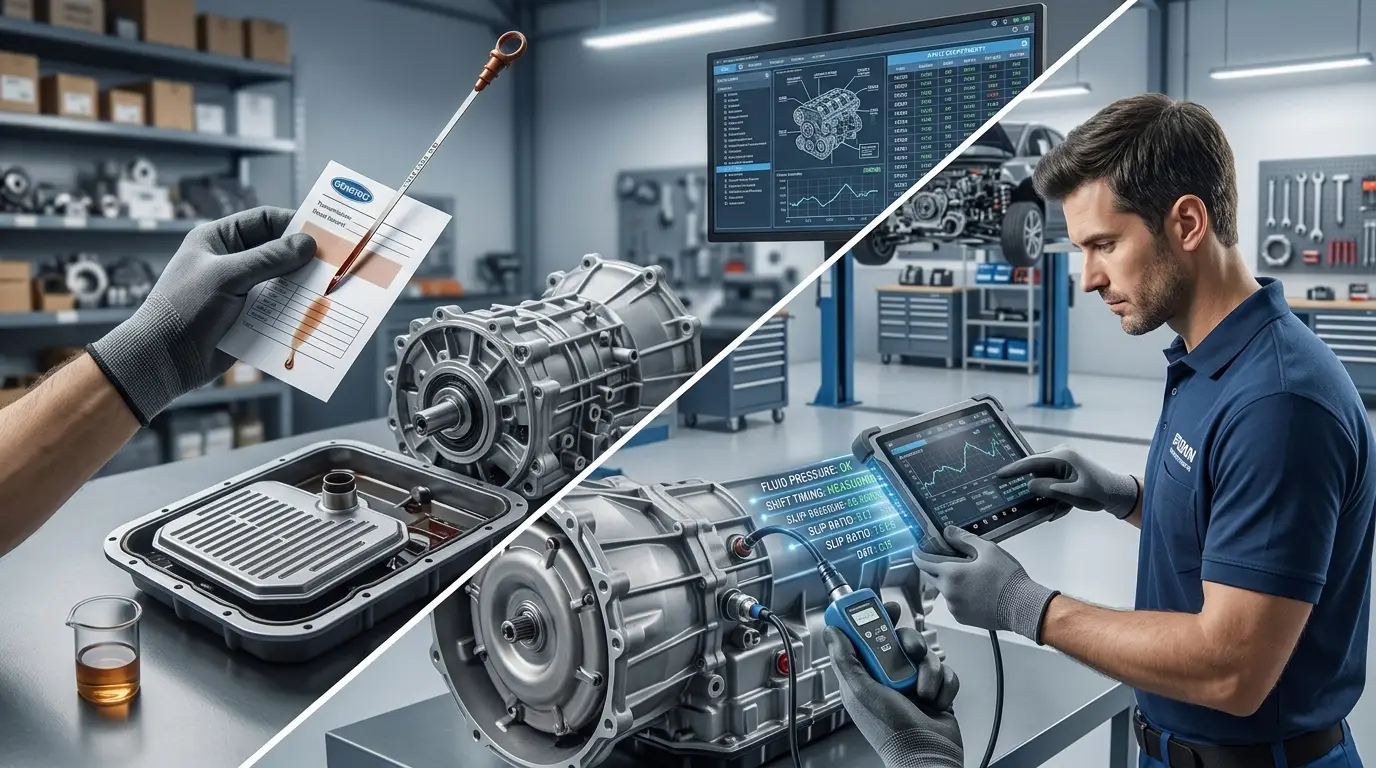
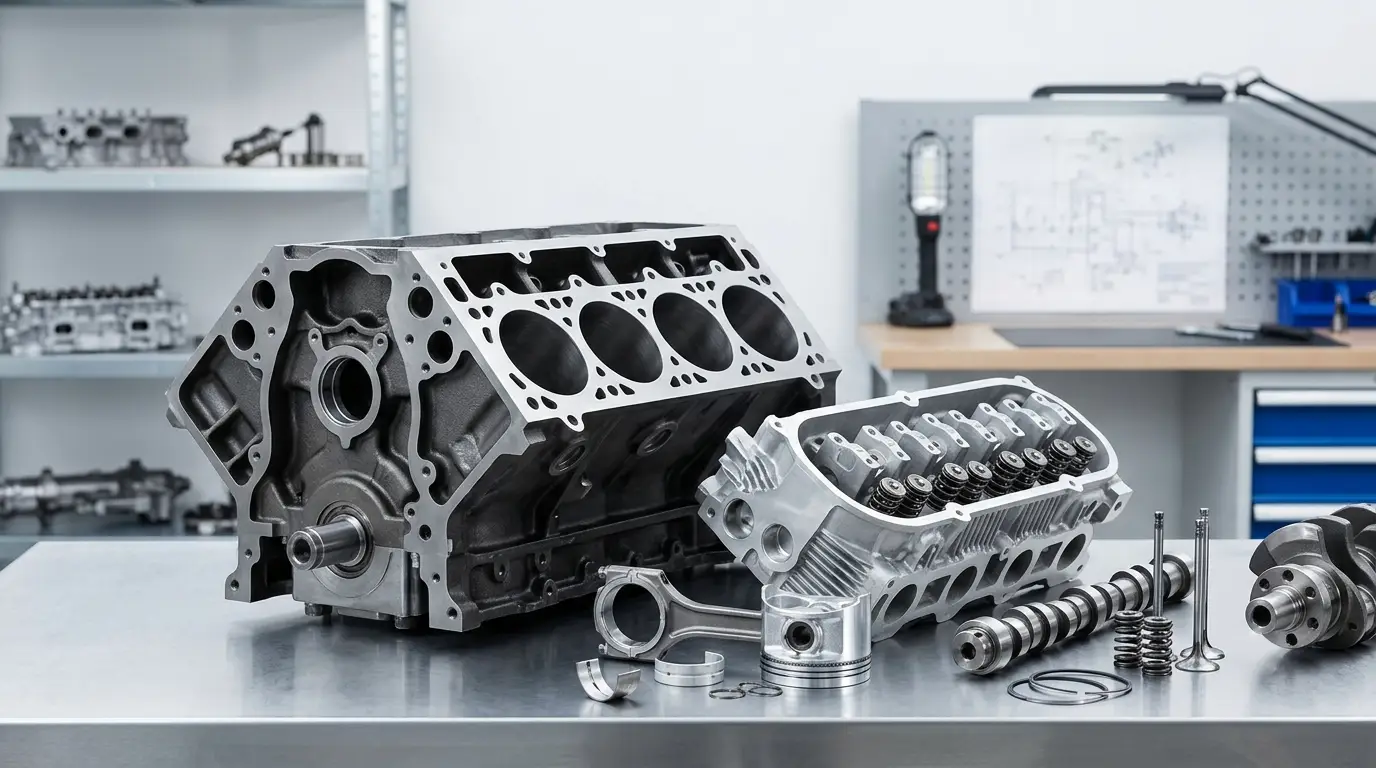
Used parts are only as good as their condition. A poorly tested engine may run, but it may not run efficiently.
If you want the best fuel economy after replacement, the right steps make all the difference.
This keeps the vehicle operating the way it was originally designed to run.
Supporting parts have a huge impact on efficiency. Ignoring them is like putting new shoes on and running with untied laces.
Modern vehicles learn driving behavior and system patterns. Resetting helps the vehicle adapt to the replacement drivetrain.
Even used components need a short adjustment period after installation.
Real-world fuel efficiency after a used engine and transmission replacement usually falls into one of three outcomes:
For most drivers, the result lands in the first two categories when quality parts are used.
That is the real takeaway. Used parts do not automatically hurt fuel economy. Poor-quality used parts do.
If your old engine and transmission were failing badly, then yes, fuel savings can absolutely be part of the value.
But the biggest benefit is not just fuel economy. It is restoring balance. A healthy engine and transmission help the entire vehicle work properly again. Fuel efficiency becomes one of the rewards of getting the system back into shape.
Think of it less like chasing better gas mileage and more like stopping unnecessary fuel waste.
Fuel efficiency after using a used engine and transmission depends on one thing more than anything else: quality.
A properly matched, well-tested, correctly installed used engine and transmission can absolutely maintain or improve fuel economy. In many cases, they restore the mileage your vehicle had lost over time.
But fuel savings only happen when the replacement is chosen carefully. Compatibility matters. Condition matters. Installation matters.
Get those three right, and a used engine and transmission can do more than bring your car back to life. They can help it run smarter too.
Not necessarily. A healthy used engine can maintain or even improve fuel efficiency if it is in good condition and installed properly.
Yes, if the previous transmission had slipping, delayed shifts, or excessive drag, a healthy used transmission can improve efficiency.
This usually happens because of poor installation, mismatched parts, sensor issues, or hidden wear in the replacement engine.
Yes, checking or replacing critical sensors is a smart move because faulty sensors can reduce fuel efficiency significantly.
Most vehicles stabilize after a short relearn and adjustment period, usually within a few hundred miles of normal driving.