The engine is often referred to as the heart of a vehicle because it generates the power needed to keep your car moving. While most drivers are familiar with the terms "engine" and "motor," fewer understand the complex network of components working together inside. Every engine consists of dozens of precisely engineered parts that convert fuel into mechanical energy.
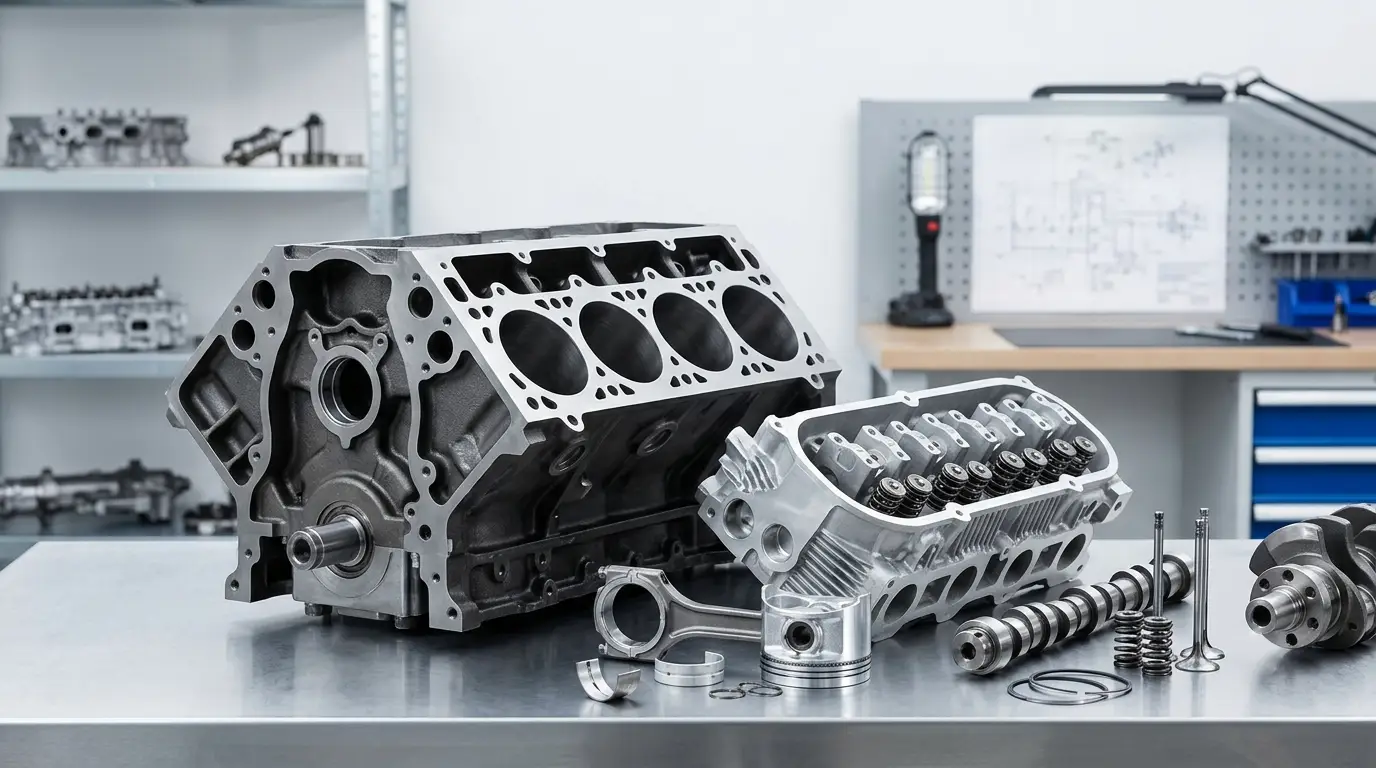
Among the most important components are the engine block, cylinder head, and various internal engine parts such as pistons, connecting rods, crankshafts, camshafts, valves, and bearings. Each plays a vital role in ensuring efficient combustion, smooth operation, and long-term reliability.
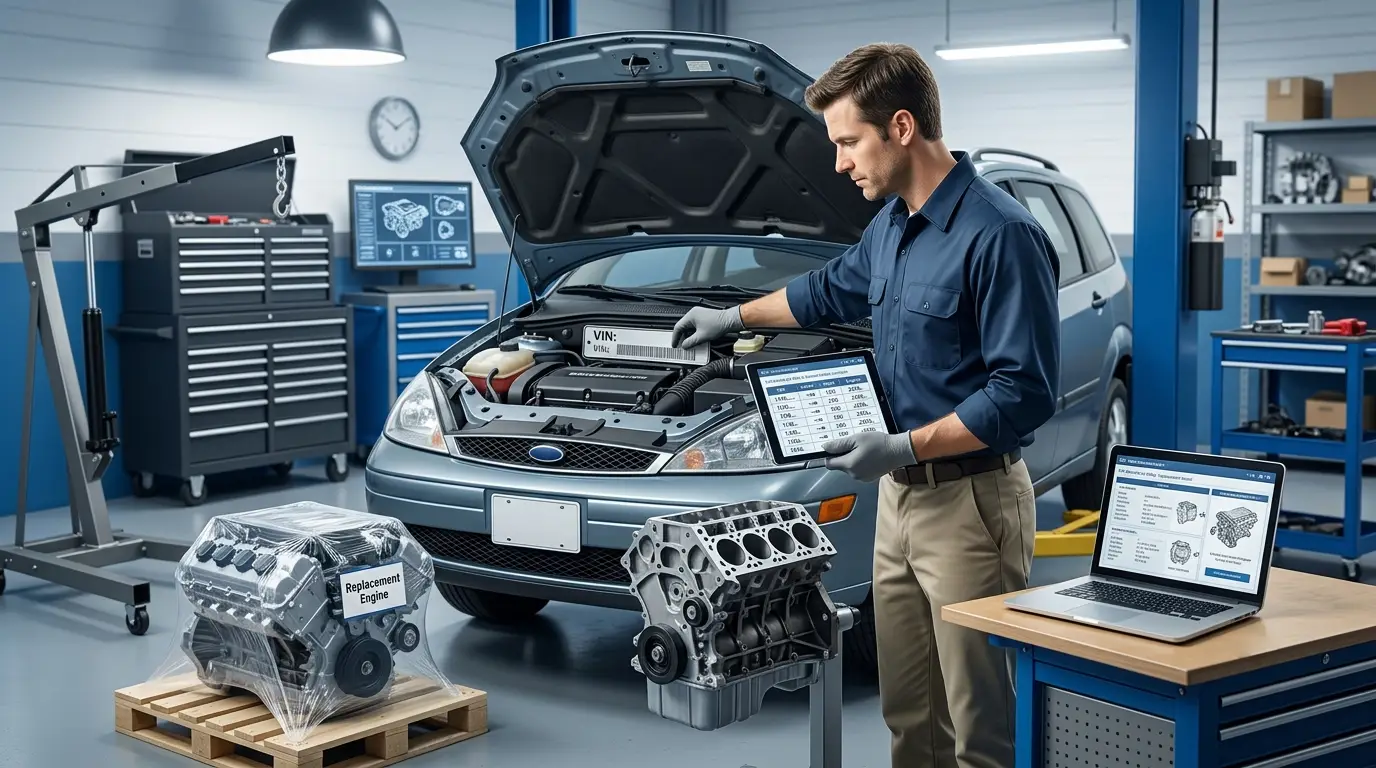
Whether you're planning an engine replacement, buying a used engine, or simply want to understand how your vehicle works, this guide explains the major engine components and their functions.
The engine block is the foundation of the engine.
The engine block is the largest and strongest component of an internal combustion engine. It serves as the main housing for the cylinders and supports nearly all major engine parts.
Without a strong engine block, the engine cannot withstand the extreme pressures and temperatures generated during combustion.
Modern engine blocks are commonly made from:
Manufacturers choose materials based on performance, weight, and durability requirements.
Different engine designs use different block configurations.
Each configuration offers unique advantages depending on the vehicle's intended use.
The cylinder head seals the combustion chamber.
Mounted on top of the engine block, the cylinder head forms the upper portion of each combustion chamber.
It contains several critical components, including:
The cylinder head plays a key role in managing airflow, combustion, and heat dissipation.
During engine operation, the cylinder head controls the movement of air and fuel into the cylinders and allows exhaust gases to exit.
It also:
Proper sealing between the cylinder head and engine block is achieved using a head gasket.
One of the most important engine seals.
The head gasket sits between the engine block and cylinder head.
Its job is to seal:
A failed head gasket can cause:
Replacing a damaged head gasket promptly helps prevent severe engine damage.
Where combustion takes place.
The cylinders are precision-machined chambers inside the engine block.
Inside each cylinder:
Most passenger vehicles have:
The number of cylinders influences engine power and smoothness.
Convert combustion energy into mechanical force.
Pistons move vertically inside each cylinder.
Their primary responsibilities include:
Modern pistons are typically made from lightweight aluminum alloys to reduce weight while maintaining strength.
Maintain compression and control oil.
Each piston contains several piston rings.
Their functions include:
Worn piston rings can cause:
Link pistons to the crankshaft.
Connecting rods transfer the piston's up-and-down movement into rotational force.
These components must withstand enormous pressure during combustion while maintaining precise alignment.
Transforms linear motion into rotation.
The crankshaft converts the pistons' vertical movement into rotational motion that ultimately powers the vehicle.
It also:
Proper crankshaft balance is essential for smooth engine operation.
Controls valve timing.
The camshaft operates the intake and exhaust valves according to engine timing requirements.
Its functions include:
Modern engines may use:
Some engines also feature variable valve timing for improved performance and fuel efficiency.
Control airflow into and out of the car engine.
Allow fresh air (or air-fuel mixture) to enter the cylinders.
Release combustion gases after ignition.
Proper valve operation is essential for:
Synchronize engine operation.
The timing system ensures the crankshaft and camshaft rotate in perfect synchronization.
Common timing components include:
Improper timing can cause severe engine damage.
Reduce friction between moving parts.
Engine bearings support rotating components while minimizing wear.
Important bearing types include:
Adequate lubrication is critical for bearing longevity.
Keeps the engine lubricated.
The oil pump circulates engine oil throughout internal passages.
It lubricates:
Low oil pressure can quickly lead to catastrophic engine failure.
Maintains engine operating temperature.
The water pump circulates coolant through:
Proper coolant flow prevents overheating and helps maintain optimal engine performance.
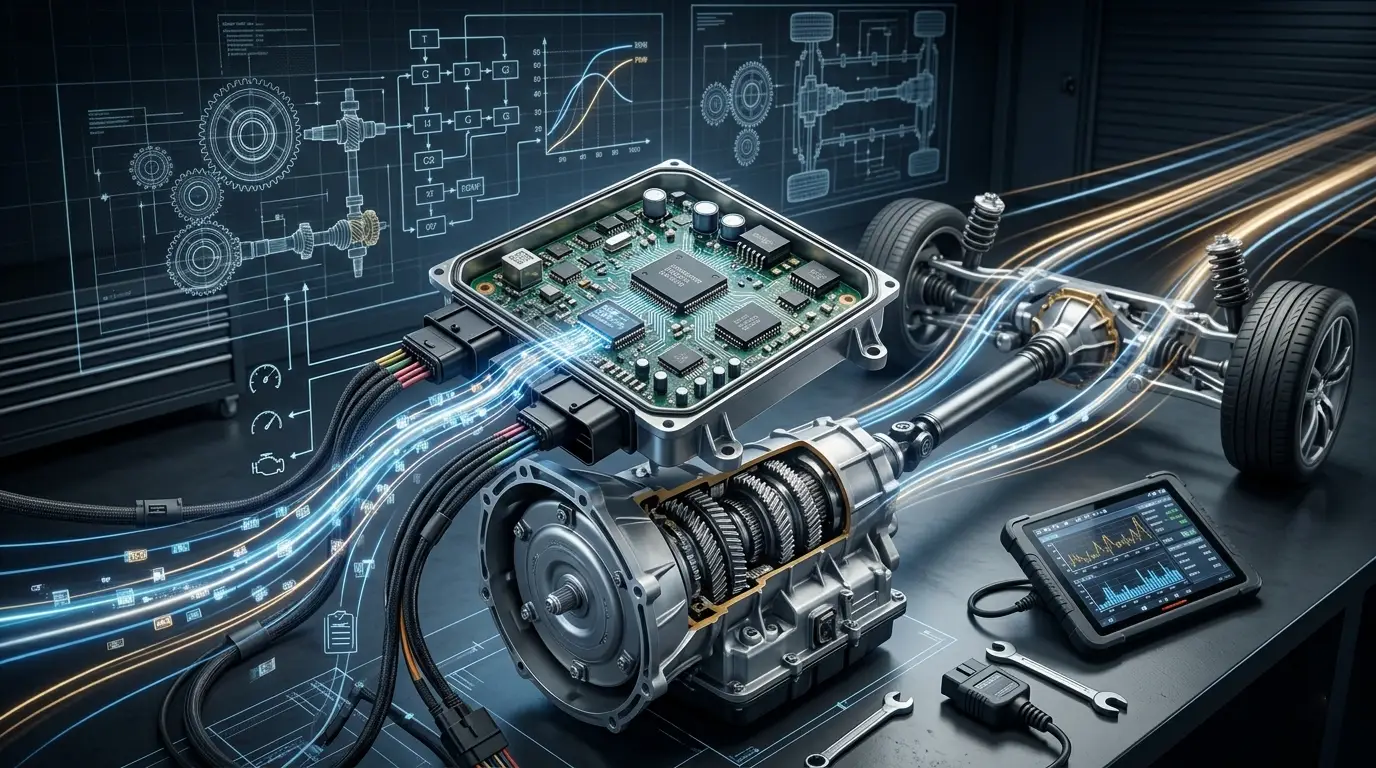
Transfers engine power to the car transmission.
Manual transmissions use a flywheel, while automatic transmissions use a flexplate.
These components:
Every engine component plays a role in the combustion process.
Here's a simplified sequence:
This synchronized operation allows the engine to produce smooth, reliable power.
Even well-maintained engines experience wear over time.
Common issues include:
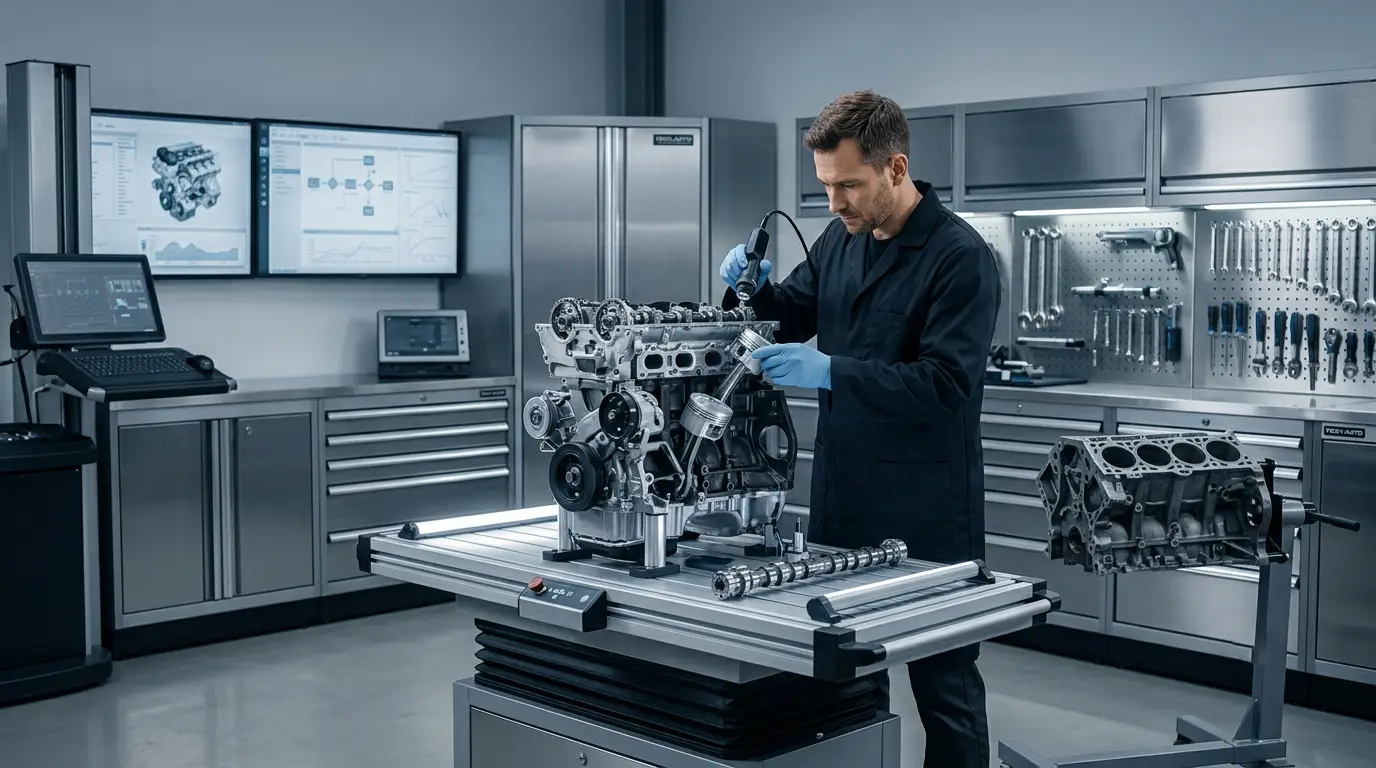
Early diagnosis can prevent extensive engine repairs.
Protect your engine by following these maintenance practices:
Consistent maintenance is the key to long-lasting engine performance.
Watch for these warning signs:
Professional inspection can determine whether repairs or replacement are needed.
The engine block, cylinder head, and internal engine components work together as a precisely engineered system that converts fuel into the power needed to move your vehicle. From the pistons and connecting rods to the crankshaft and camshaft, every part has a critical function in maintaining performance, efficiency, and reliability.
Understanding these components not only helps you appreciate how your engine works but also enables you to recognize warning signs of wear before they develop into major mechanical failures. Regular maintenance, timely repairs, and the use of quality replacement parts can significantly extend the life of your engine and reduce long-term ownership costs.
The engine block serves as the main structure of the engine, housing the cylinders, crankshaft, coolant passages, and oil galleries while supporting other major components.
The cylinder head seals the combustion chamber and houses valves, camshafts, spark plugs, fuel injectors, and coolant passages that regulate airflow and combustion.
A failed head gasket can cause coolant and oil leaks, engine overheating, loss of compression, white exhaust smoke, and severe engine damage if not repaired promptly.
Pistons convert combustion pressure into mechanical force, while connecting rods transfer that force to the crankshaft, allowing the engine to generate rotational power.
Regular oil changes, proper cooling system maintenance, timely replacement of wear parts, using quality fluids, and addressing warning signs early can help maximize engine lifespan.