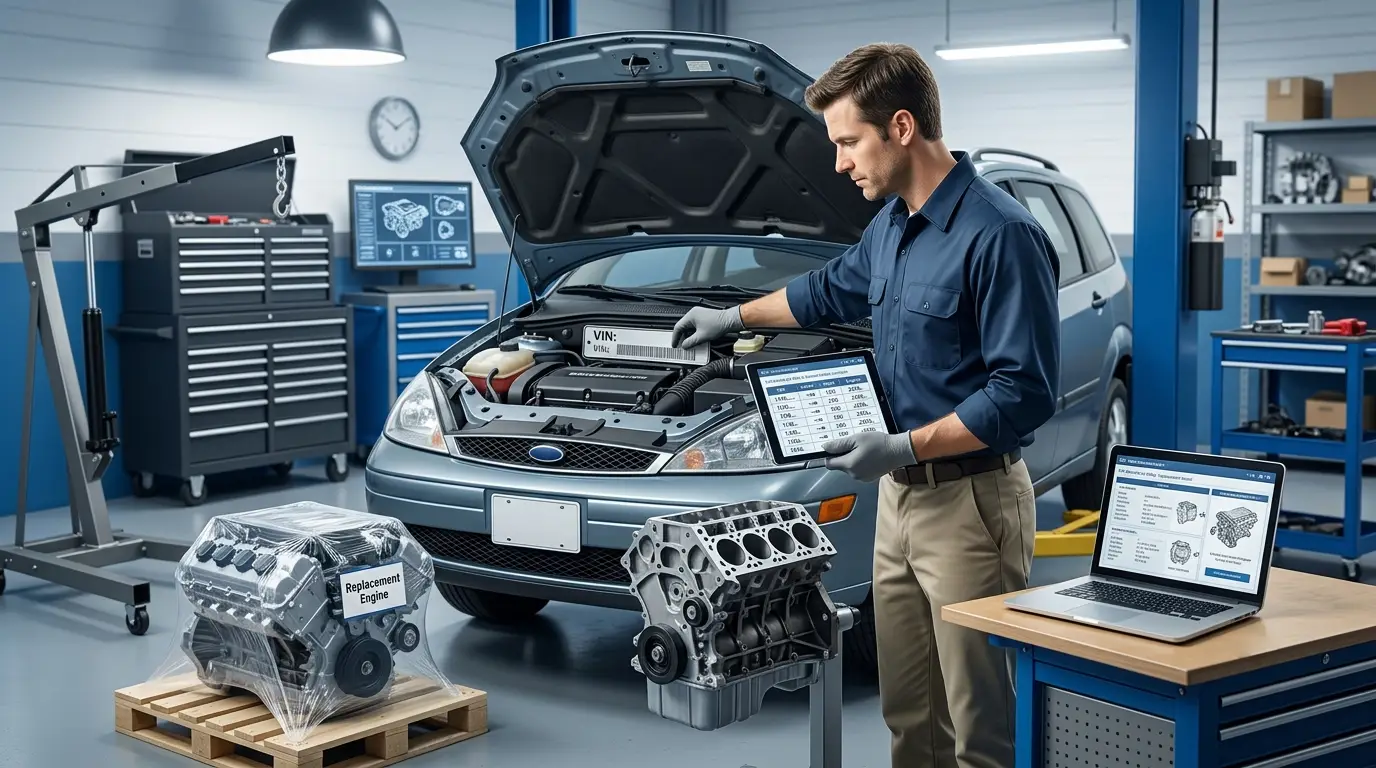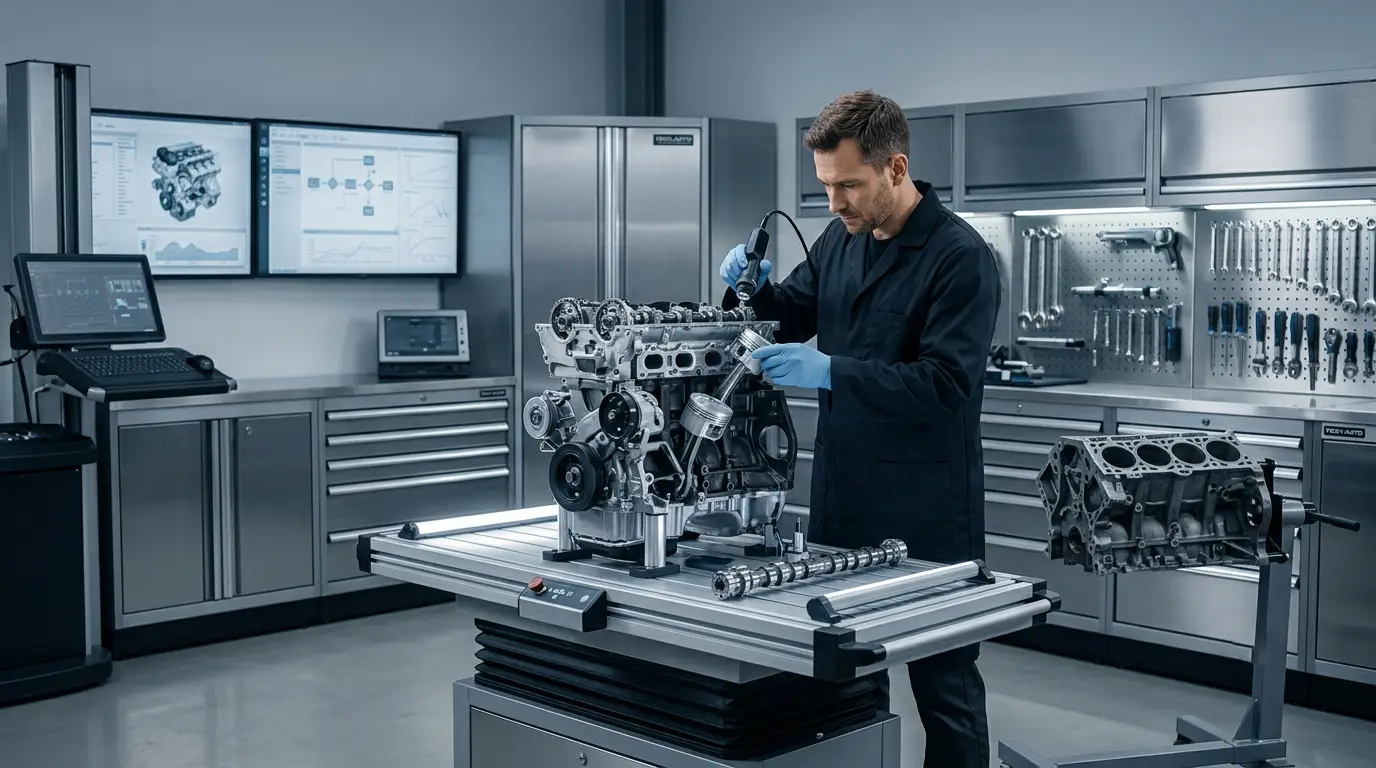
Replacing an engine is one of the most significant repairs a vehicle owner can face. Whether you're purchasing a used engine, a remanufactured unit, or a low-mileage replacement, choosing the correct engine is critical. Even engines that appear identical can have important differences in electronics, sensors, emissions systems, and mounting configurations.
One of the most reliable ways to identify the correct replacement engine is by using your vehicle's Vehicle Identification Number (VIN). The VIN contains valuable information about your vehicle, including the engine originally installed by the manufacturer.
Understanding how to decode a VIN and use it to find a compatible replacement engine can help you avoid costly mistakes, installation issues, and performance problems.
The VIN is your vehicle's unique identification number.
A Vehicle Identification Number is a 17-character code assigned to every vehicle manufactured for road use.
A VIN contains information about:
Think of the VIN as your vehicle's fingerprint. No two vehicles have the same VIN.
Not all car engines are interchangeable.
Many vehicle models are offered with multiple engine options.
For example:
Using only the vehicle model and year may not provide enough information.
VIN decoding helps verify:
This reduces the risk of purchasing the wrong engine.
Several locations display the VIN.
Always verify the VIN directly from the vehicle whenever possible.
Each section of the VIN provides specific information.
These characters identify:
Example:
This section contains details about:
These characters are particularly important when identifying engine specifications.
This digit is used to verify VIN authenticity.
It does not identify engine information but helps confirm the VIN is valid.
Examples include:
Knowing the exact model year is essential because engine designs can change significantly between production years.
This identifies where the vehicle was manufactured.
Some engine variations are plant-specific.
These digits identify the individual vehicle.
Manufacturers use this information to track production changes and updates.
The engine code is often found in the VIN.
For many manufacturers, the 8th VIN character identifies the engine type.
Examples may include:
Because each manufacturer uses different coding systems, always verify the meaning of the engine code before purchasing a replacement engine.
Before searching for a replacement engine:
A single incorrect digit can lead to the wrong engine selection.
Once you have the VIN:
Important details include:
These details help narrow your search.
Engine size alone is not enough.
Two engines may share the same displacement but differ significantly.
For example:
Always match:
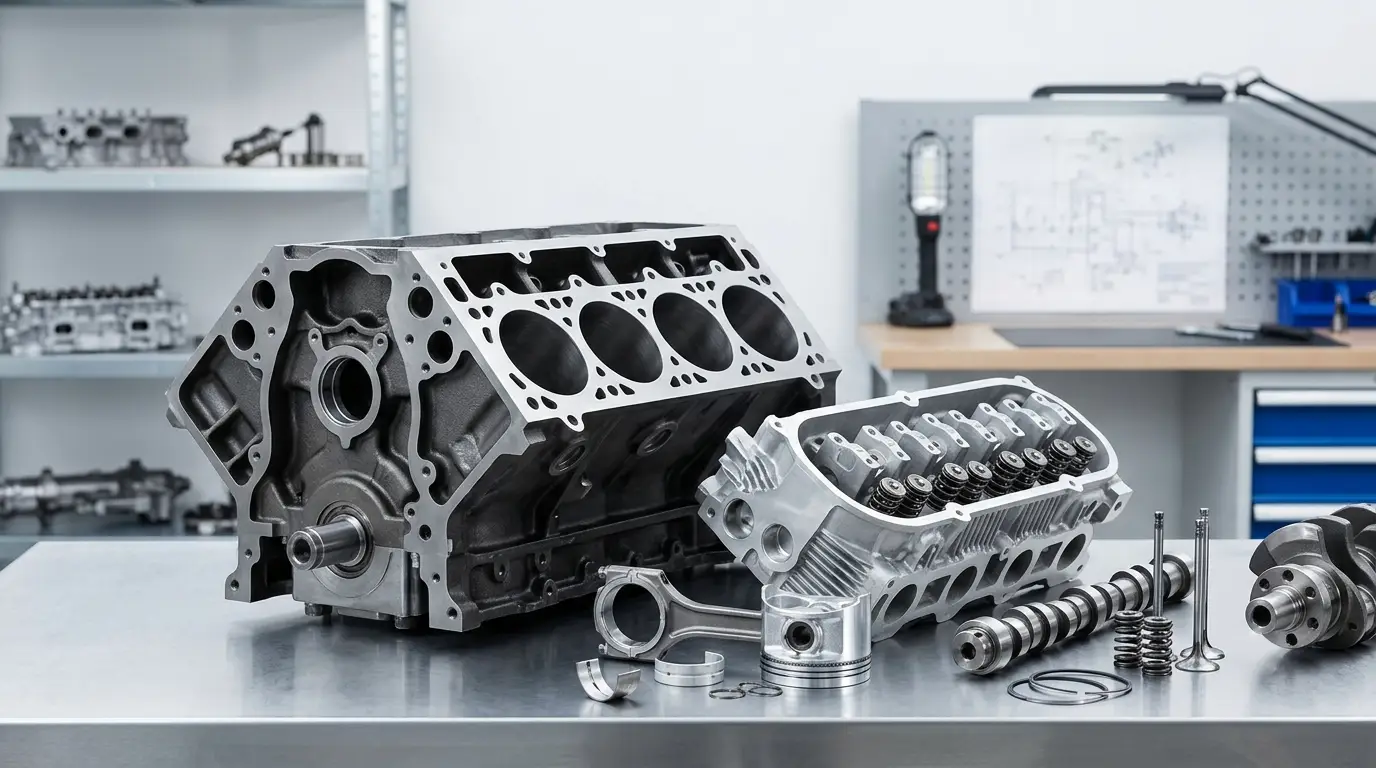
Before purchasing, compare:
Engine Block
Cylinder Head
Electronics
Fuel System
Matching these details prevents installation problems.
Manufacturers often make mid-year changes.
Even vehicles with the same model year can have different engine versions.
Ask the seller:
Production changes can affect:
Emissions systems must remain compatible.
Many states and regions require matching emissions equipment.
Check:
Incorrect emissions equipment can cause:
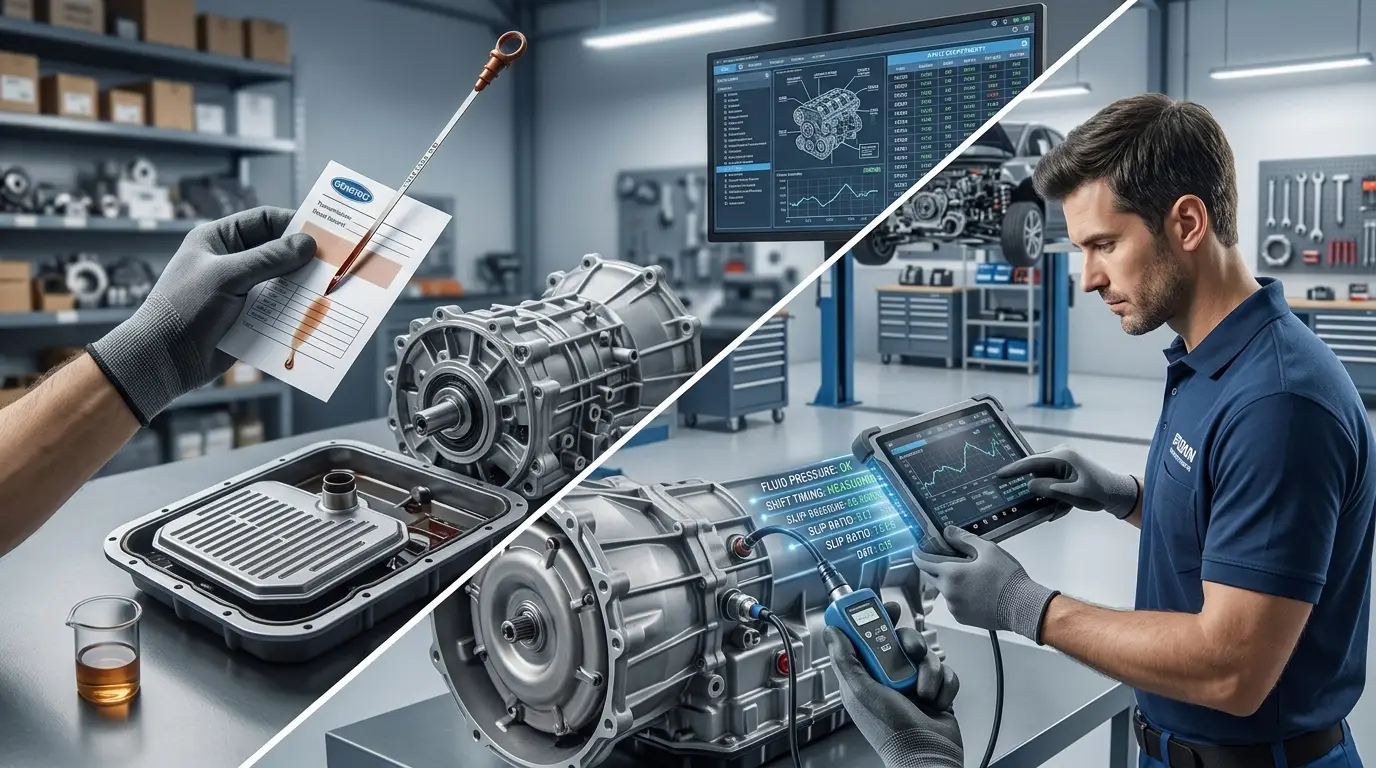
The engine and transmission must work together.
Verify:
Even a compatible engine may require modifications if car transmission specifications differ.
Replacement engines vary in what they include.
Ask whether the engine comes with:
Knowing what is included helps avoid unexpected costs.
Reliable sellers provide detailed information.
Ask for:
Documentation increases confidence in the purchase.
A warranty provides added protection.
Before buying, understand:
A warranty does not guarantee perfection, but it reduces risk.
Avoid these common errors:
◉ Buying Based Only on Model Year
Different engines may be available in the same model year.
◉ Ignoring VIN Codes
Engine codes often determine compatibility.
◉ Overlooking Electronics
Modern engines rely heavily on sensors and computer systems.
◉ Skipping Compatibility Checks
Small differences can create major installation challenges.
◉ Choosing Price Over Quality
The cheapest engine is not always the best value.
Proper VIN decoding helps ensure:
The VIN provides one of the most accurate methods for identifying compatible replacement engines.
Finding the correct replacement engine involves more than matching the vehicle's make and model. Modern vehicles often have multiple engine options, production changes, and electronic variations that can make engine selection complicated.
By decoding the VIN, identifying the engine code, verifying compatibility, and reviewing donor engine information, you can significantly reduce the risk of purchasing the wrong engine.
Taking the time to verify details before buying helps ensure a smoother installation, better long-term performance, and greater peace of mind.
In many vehicles, the 8th character of the VIN identifies the engine type, though coding varies by manufacturer.
Yes. Many manufacturers offer multiple engine options within the same model year.
No. You must also verify engine code, electronics, emissions equipment, and mounting configurations.
The donor VIN helps verify engine specifications, mileage, and compatibility with your vehicle.
In some cases, yes, but modifications may be required for wiring, emissions systems, transmission compatibility, and computer programming.