Transmission problems rarely improve on their own. In most cases, they start small - a delayed shift, a slipping gear, a fluid leak - and slowly become more serious. Sometimes the issue can be fixed with a sensor, seal, or fluid service. Other times, the damage runs deeper, and repairing one part simply delays a larger failure.
That is the point where replacement becomes the smarter option.
A transmission replacement is a bigger job, but in some situations it is the more practical and cost-effective choice. If the internal damage is severe, repeated repairs can cost more than replacing the unit entirely. Knowing the difference early can save time, money, and frustration.
Below is a clear pointer-based guide explaining the most common signs that a transmission replacement may make more sense than another repair.
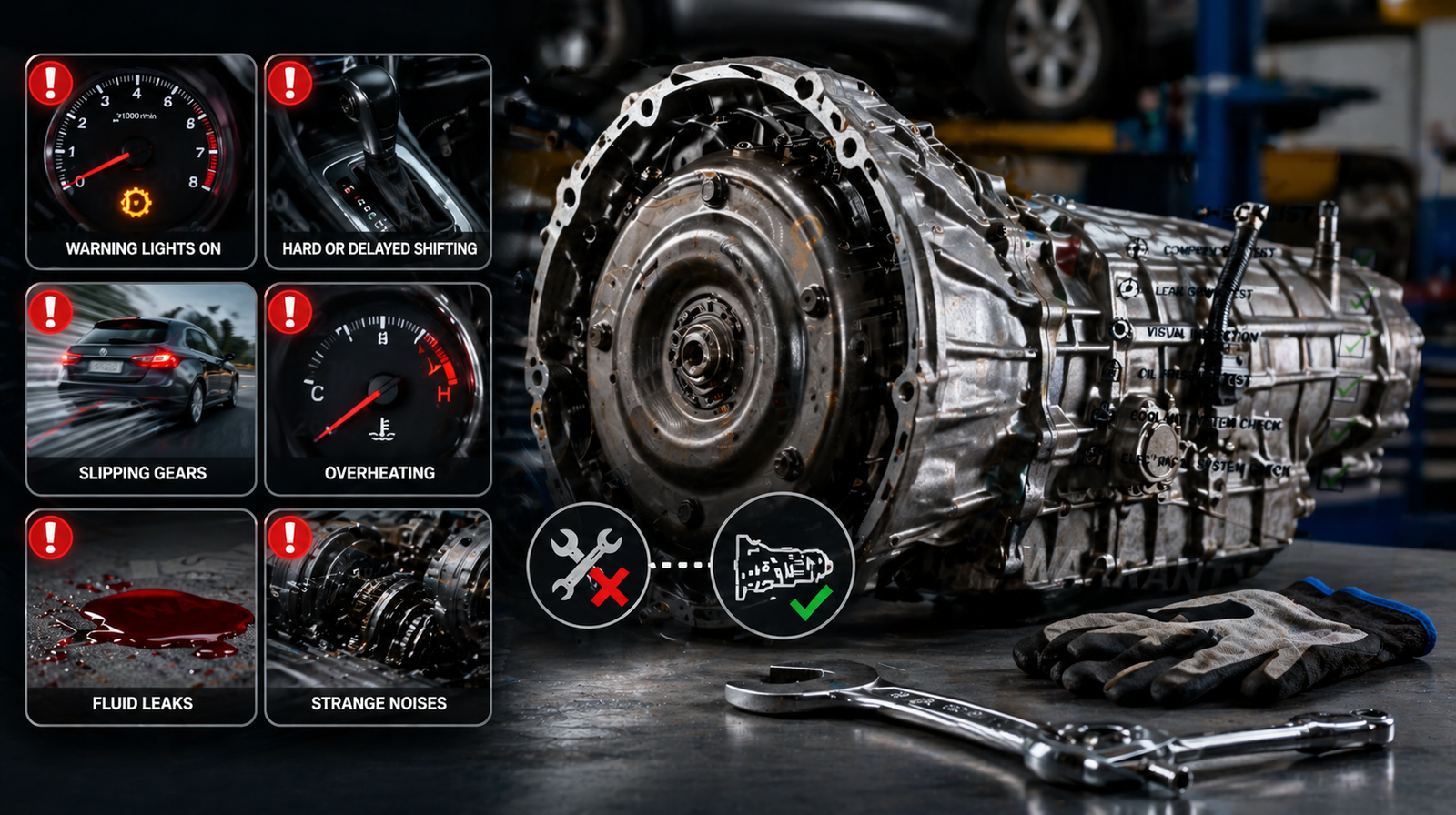
Slipping gears usually point to internal wear.
Occasional slipping may begin with fluid issues, but repeated slipping often points to worn internal clutches, bands, or gear damage. Once that wear becomes severe, replacement is often more practical than repeated repair attempts.
Rough shifting usually gets worse, not better.
A single rough shift can happen for many reasons, but constant harsh shifting often suggests deeper internal wear or valve body damage. When it becomes consistent, repairs may only offer temporary relief.
Loss of gear engagement is a serious warning sign.
This often points to severe internal wear or damaged gear engagement components. At this stage, internal failure is usually advanced enough that replacement becomes the safer long-term solution.
Burnt fluid usually means heat damage inside.
Burnt fluid is more than a maintenance issue. It often means the transmission is overheating due to internal wear or friction damage. If the fluid continues to burn after service, the damage is usually already inside the unit.
Metal in the fluid is one of the clearest red flags.
A small amount of debris may appear over time, but visible metal in the fluid usually means hard internal parts are breaking down. That is often a strong sign replacement is the better route.
Delayed engagement often points to internal failure.
This usually means the transmission is struggling to build proper hydraulic pressure. In worn units, this often signals broader internal failure rather than a simple repair issue.
Repeated heat is destructive.
Overheating breaks down fluid and accelerates internal damage. If the unit overheats repeatedly after cooling repairs, internal wear is often already too advanced for minor repair to help long-term.
Repeated repairs can become more expensive than replacement.
If the transmission has already had several repairs and still performs poorly, replacement is often the smarter financial decision.
Grinding, whining, or clunking often means hard-part wear.
Internal noises often point to damaged bearings, planetary gears, or internal shafts. These failures usually mean the unit is already well beyond minor repair.
Loss of reverse is often a major warning.
Losing reverse often points to significant internal wear, especially in automatic transmissions. At that point, full replacement is often more realistic than patch repair.
Leaks become more serious when internal pressure drops.
A simple seal leak is repairable, but repeated leaks can signal worn internal pressure, case damage, or broader transmission wear.
Electronic faults can point to mechanical failure too.
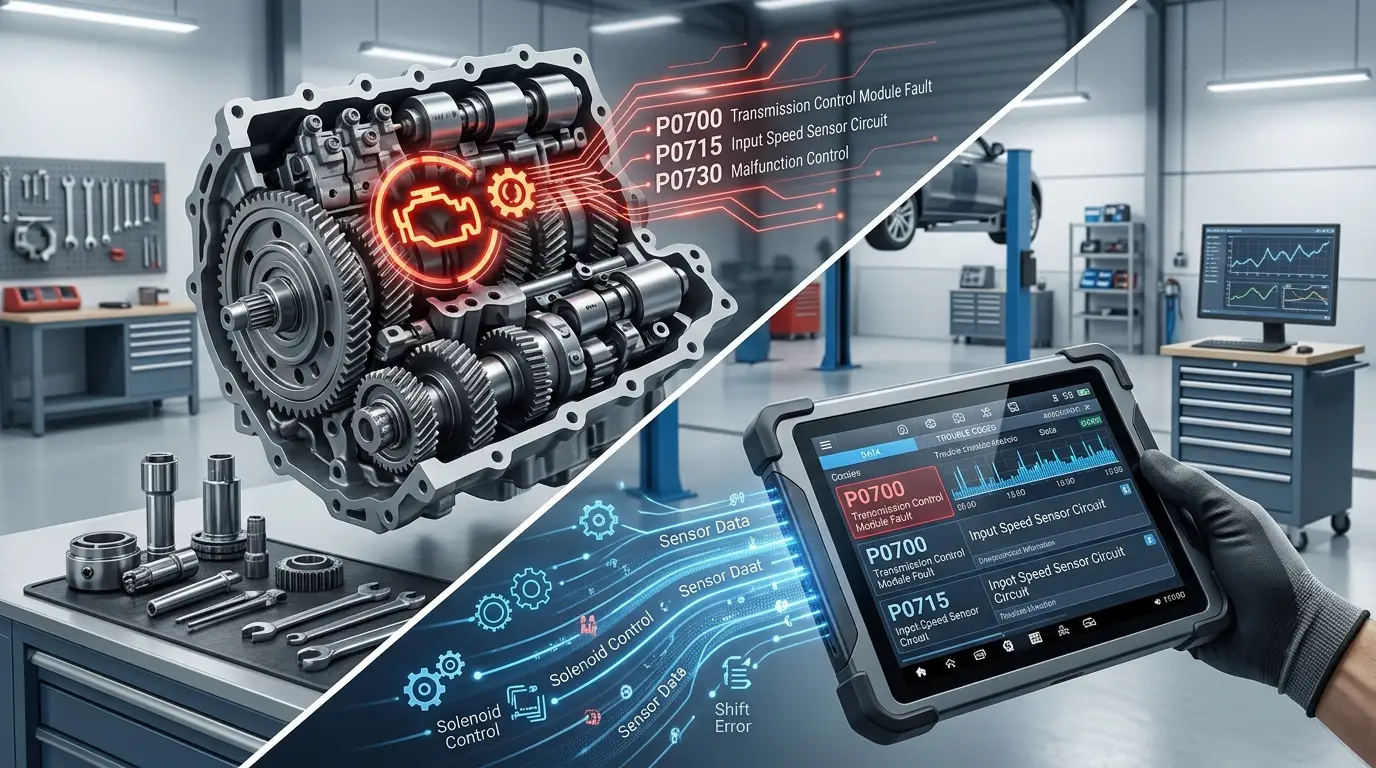
Recurring codes often mean the electronics are reacting to internal mechanical problems, not just faulty sensors.
Age matters when combined with symptoms.
When an older transmission shows several signs of internal wear at once, replacement is usually the more dependable long-term option.
Low fluid can cause rapid internal wear.
Once internal damage begins from fluid starvation, repairs are often limited and temporary.
At some point, replacement makes more sense.
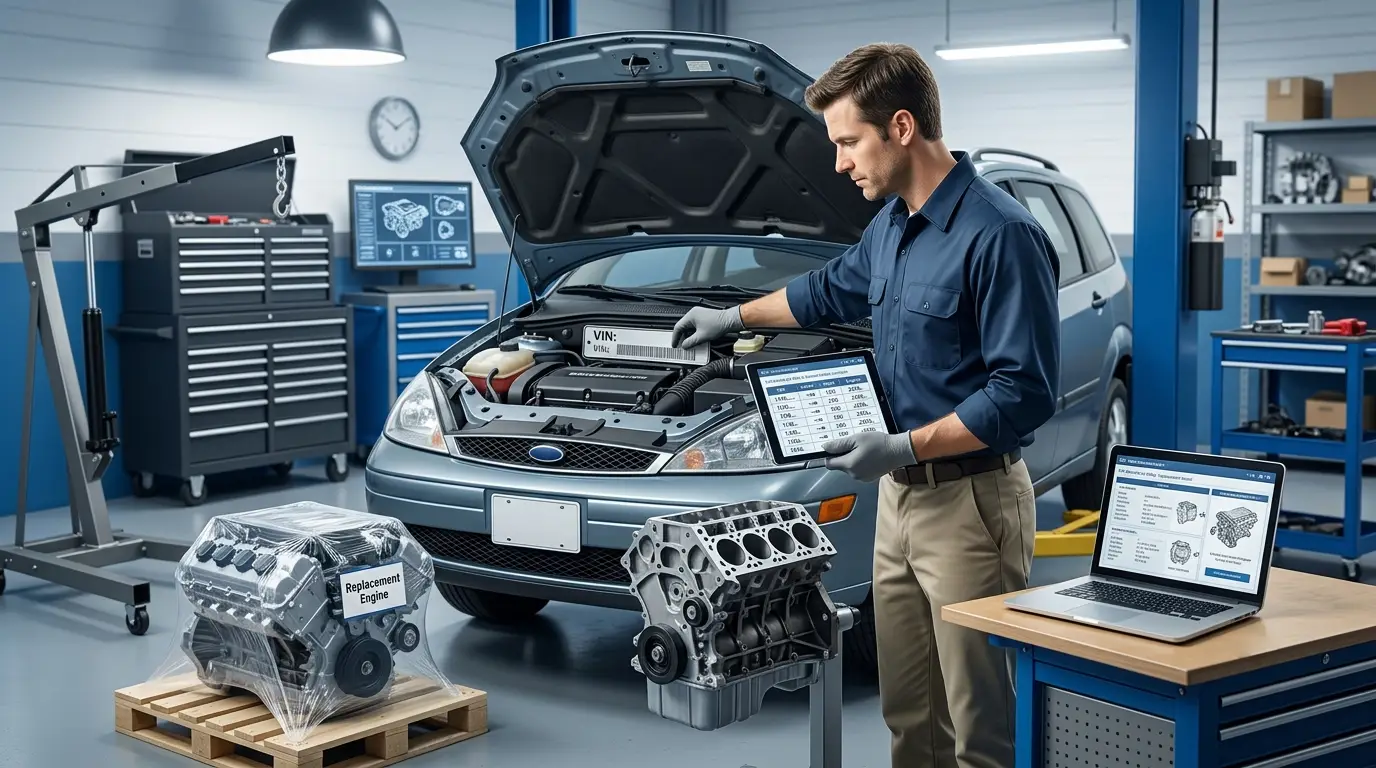
If repair costs are close to the cost of a tested replacement unit, replacement is usually the smarter move.
Daily inconsistency usually means broader failure.
Inconsistent behavior often means multiple internal issues are developing at once.
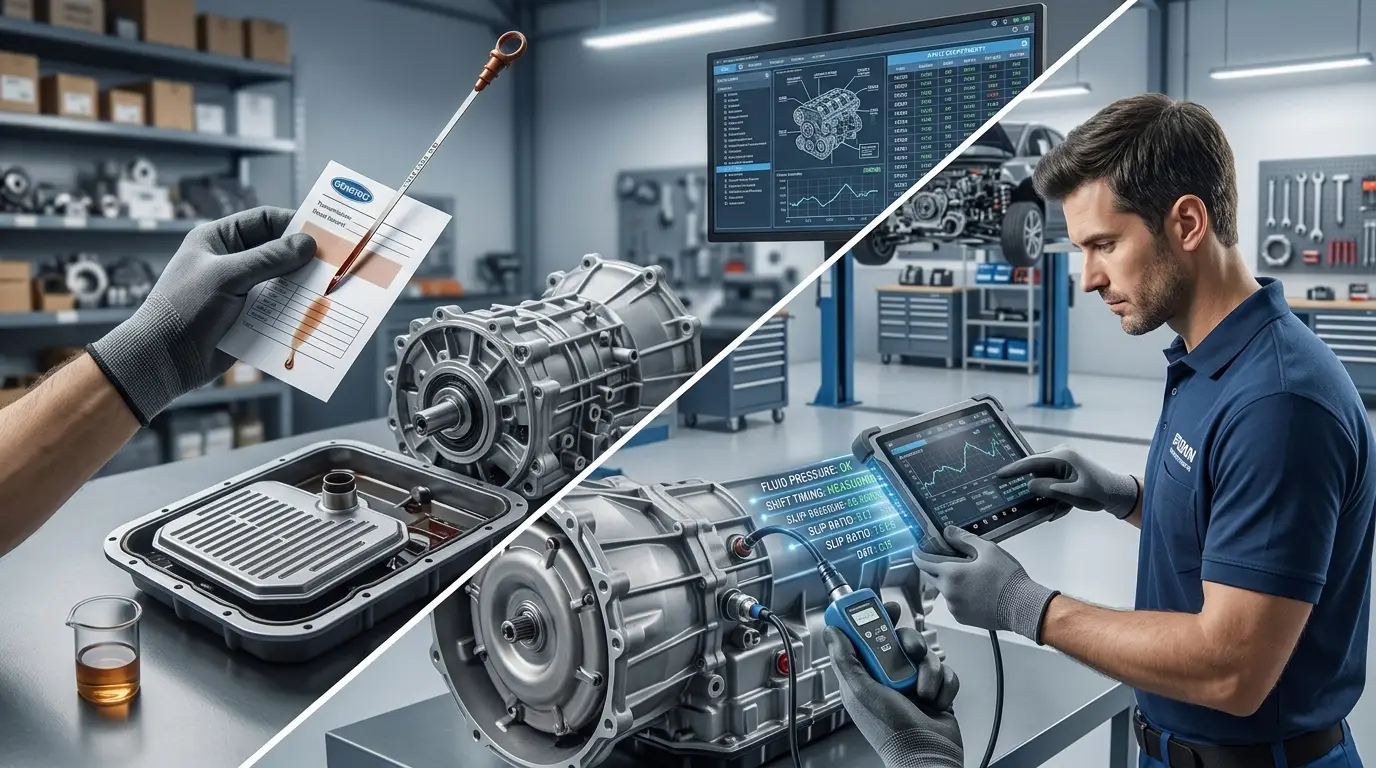
Diagnosis matters before major decisions.
A proper diagnosis removes guesswork and helps avoid spending money on repairs that will not last.
A replacement is not always the first option, but sometimes it is the right one.
Not every transmission problem means replacement, but some do. The real question is not whether the transmission can be repaired - it is whether that repair is worth it.
When slipping becomes constant, fluid burns repeatedly, metal appears in the pan, and repairs stop lasting, replacement usually becomes the smarter path. It offers better reliability, fewer repeat costs, and a stronger long-term result.
The sooner you recognize the signs, the easier it becomes to make the right decision before the damage spreads further.
If problems are repeated, internal wear is severe, or repairs keep failing, replacement is often the better option.
Yes, burnt fluid usually points to overheating and internal wear.
Sometimes, but repeated slipping often indicates deeper internal damage.
It depends on cost and condition, but replacement is often more practical when internal damage is extensive.
Repeated slipping, burnt fluid, and metal debris are among the strongest warning signs.