
When your engine gives up, the next question hits fast: should you buy a used engine or go with a remanufactured one? It sounds like a simple choice, but it can shape how much you spend, how long your vehicle lasts, and how confident you feel every time you turn the key.
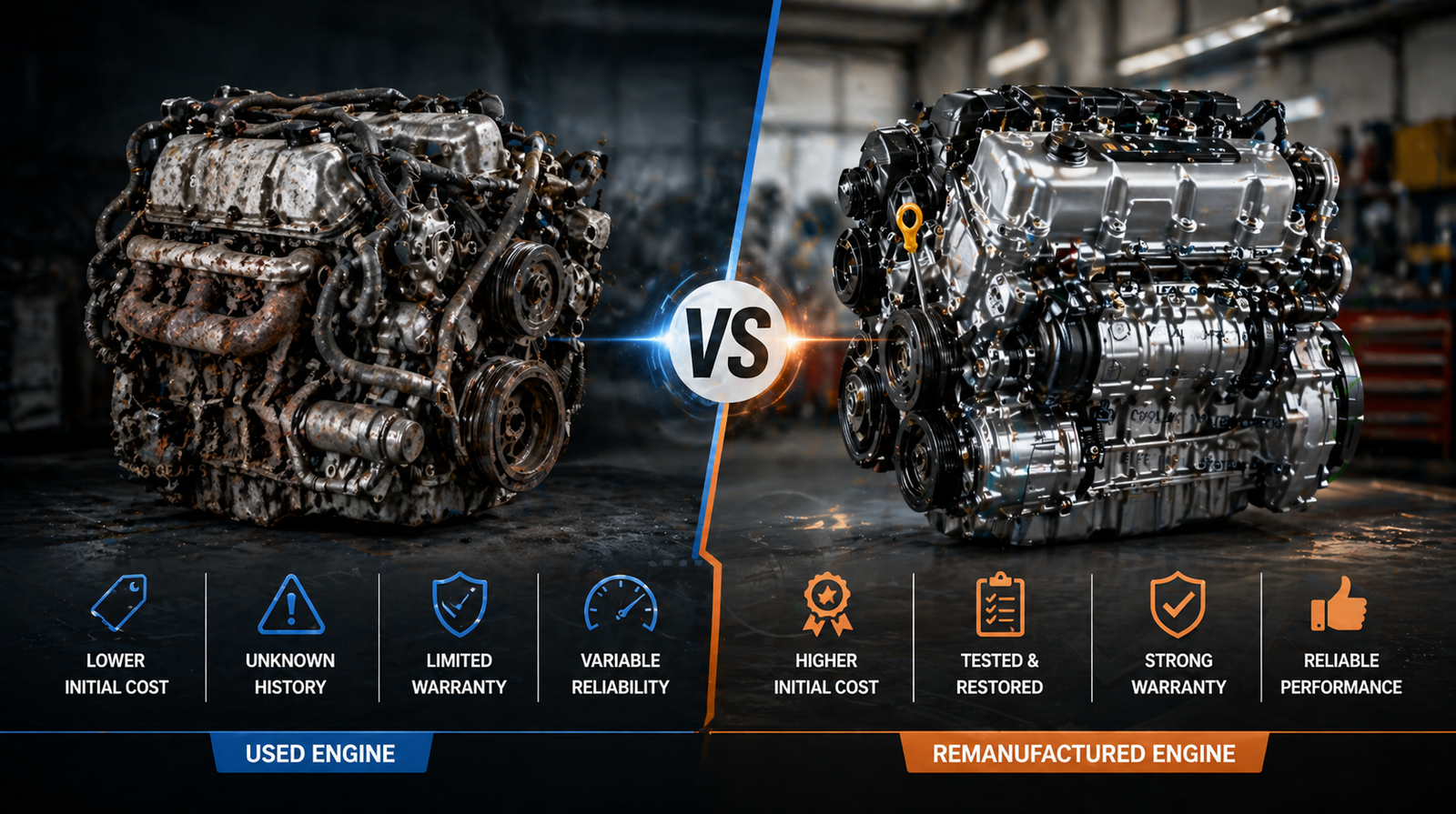
At first glance, both options solve the same problem. They replace your failing engine and get your vehicle back on the road. But under the hood, they’re very different. One is pulled, inspected, and resold. The other is stripped down, rebuilt, and restored to meet performance standards again.
So which one makes more sense for your vehicle? That depends on your budget, your long-term plans, and how much reliability matters to you. Let’s break it down clearly.
A used engine is exactly what it sounds like: an engine removed from another vehicle and sold for reuse. Most used engines come from accident-damaged, salvaged, or retired vehicles where the engine is still in working condition.
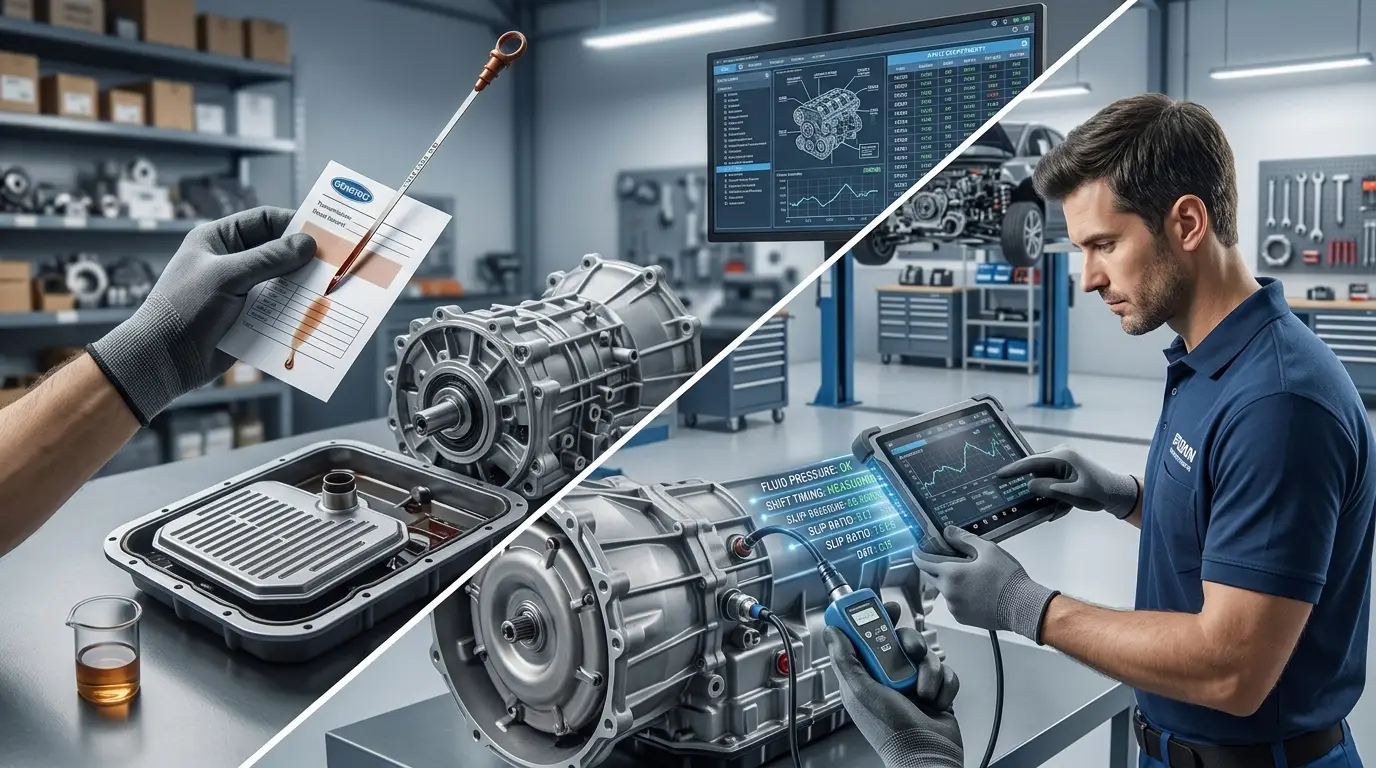
These engines are usually tested before resale, but they are not completely rebuilt. In most cases, the engine is sold in the condition it was removed, with only basic inspection and cleaning.
In simple terms, a used engine is like buying a second-hand appliance that still works well. It may not be brand new, but if it has been cared for, it can still deliver solid performance.
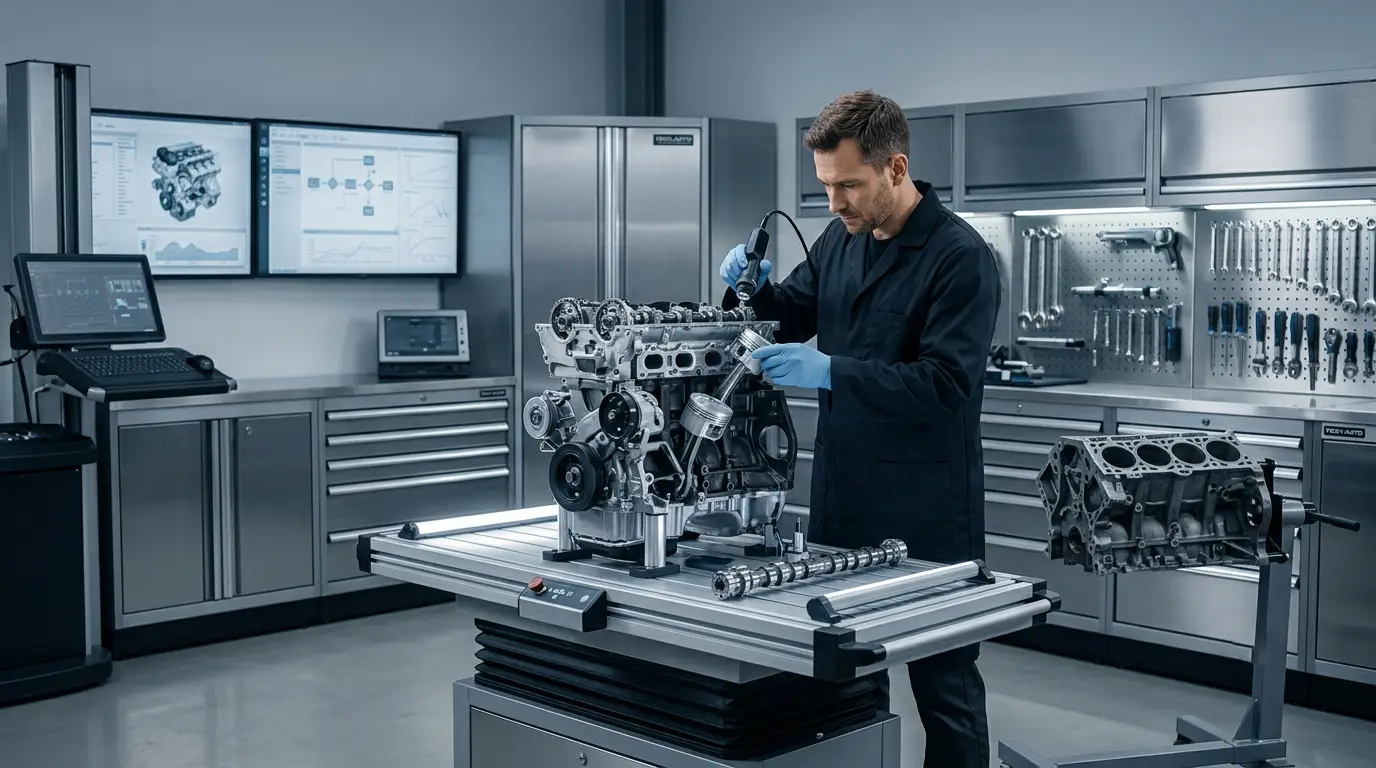
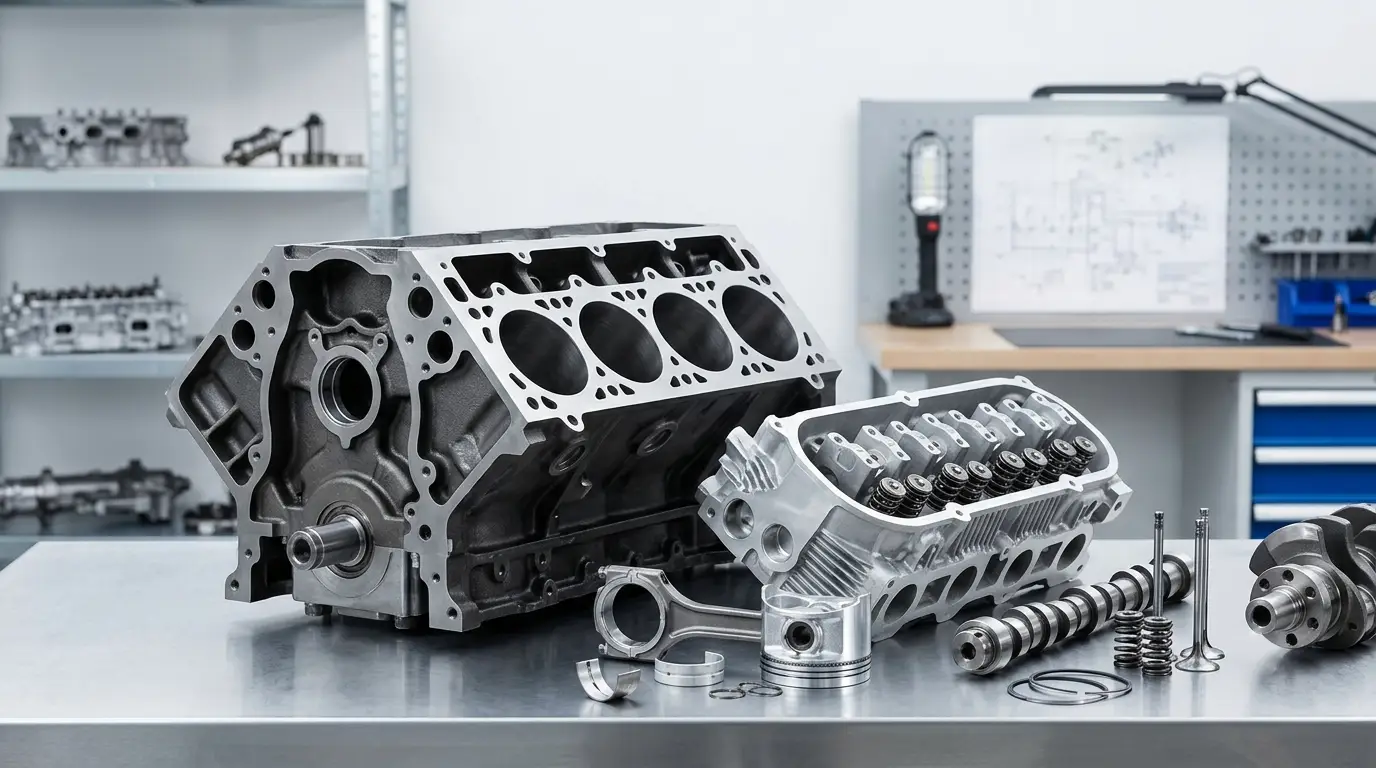
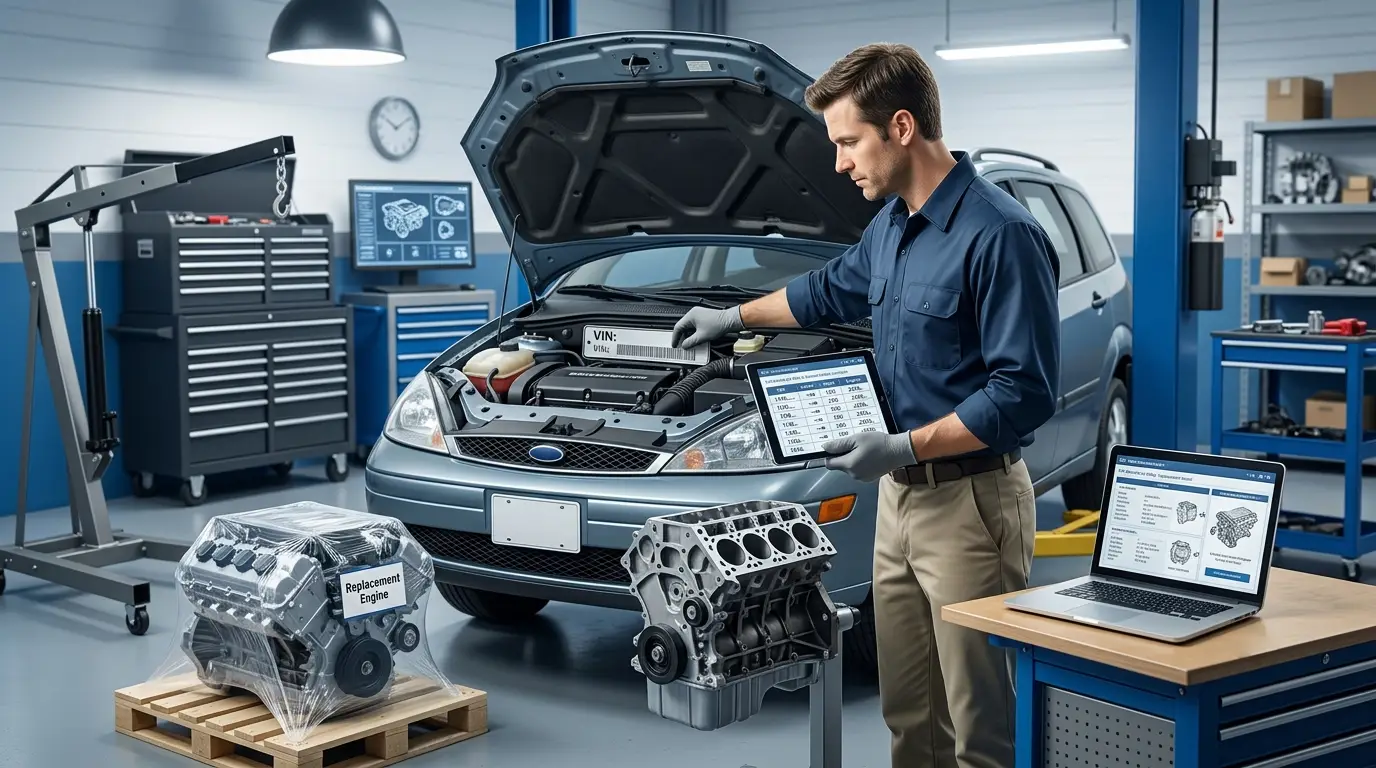
A remanufactured engine is a used engine that has been completely disassembled, inspected, machined, rebuilt, and reassembled using new or reconditioned parts.
This is not just a cleaned-up used engine. It goes through a much deeper process. Worn components are replaced. Internal parts are restored. Clearances are reset. The goal is to bring the engine back as close as possible to original factory standards.
Think of a remanufactured engine like a house that has been fully renovated. The structure may be older, but the inside has been refreshed, repaired, and made dependable again.
This is where the choice becomes clearer. Both options replace your engine, but they serve different buyers and different priorities.
What this means:
Used engines save money now. Remanufactured engines may save money later by reducing future repair risks.
What this means:
Used engines can be reliable, but they carry more unknowns. Remanufactured engines are built for consistency.
What this means:
If you plan to keep the car for years, remanufactured often makes more sense.
What this means:
A stronger warranty often reflects stronger seller confidence.
What this means:
If performance matters, remanufactured usually feels tighter and more refined.
A used engine is often the smarter choice when:
For many drivers, this is the practical route. It solves the problem without overinvesting in an aging vehicle.
A remanufactured engine is usually the better fit when:
This option costs more at first, but it often feels safer over time.
There is no universal winner here. The better option depends on your situation.
Choose a used engine if your priority is affordability, quick replacement, and practical short-term value.
Choose a remanufactured engine if your priority is long-term reliability, stronger warranty protection, and better performance consistency.
It really comes down to one simple question: are you solving today’s problem, or investing in tomorrow’s peace of mind?
Used and remanufactured engines both have their place. One gives you a lower-cost path back on the road. The other gives you a more refined and dependable long-term solution.
If your budget is tight and your vehicle is older, a used engine may be the smarter move. If you want confidence, longer service life, and fewer surprises, a remanufactured engine is usually worth the extra cost.
The best choice is not about picking the “better” engine. It is about picking the right engine for your budget, your vehicle, and your plans.
Yes, a used engine can be reliable for daily use if it has been tested properly, has reasonable mileage, and comes from a trusted supplier.
In most cases, yes. Remanufactured engines usually last longer because worn internal parts are replaced and performance is restored.
They cost more because they are fully disassembled, inspected, machined, rebuilt, and tested using replacement internal components.
Often, yes. If the vehicle has lower resale value, a used engine can be the more cost-effective and practical option.
Remanufactured engines usually offer better warranty protection because they go through a more detailed rebuilding and testing process.