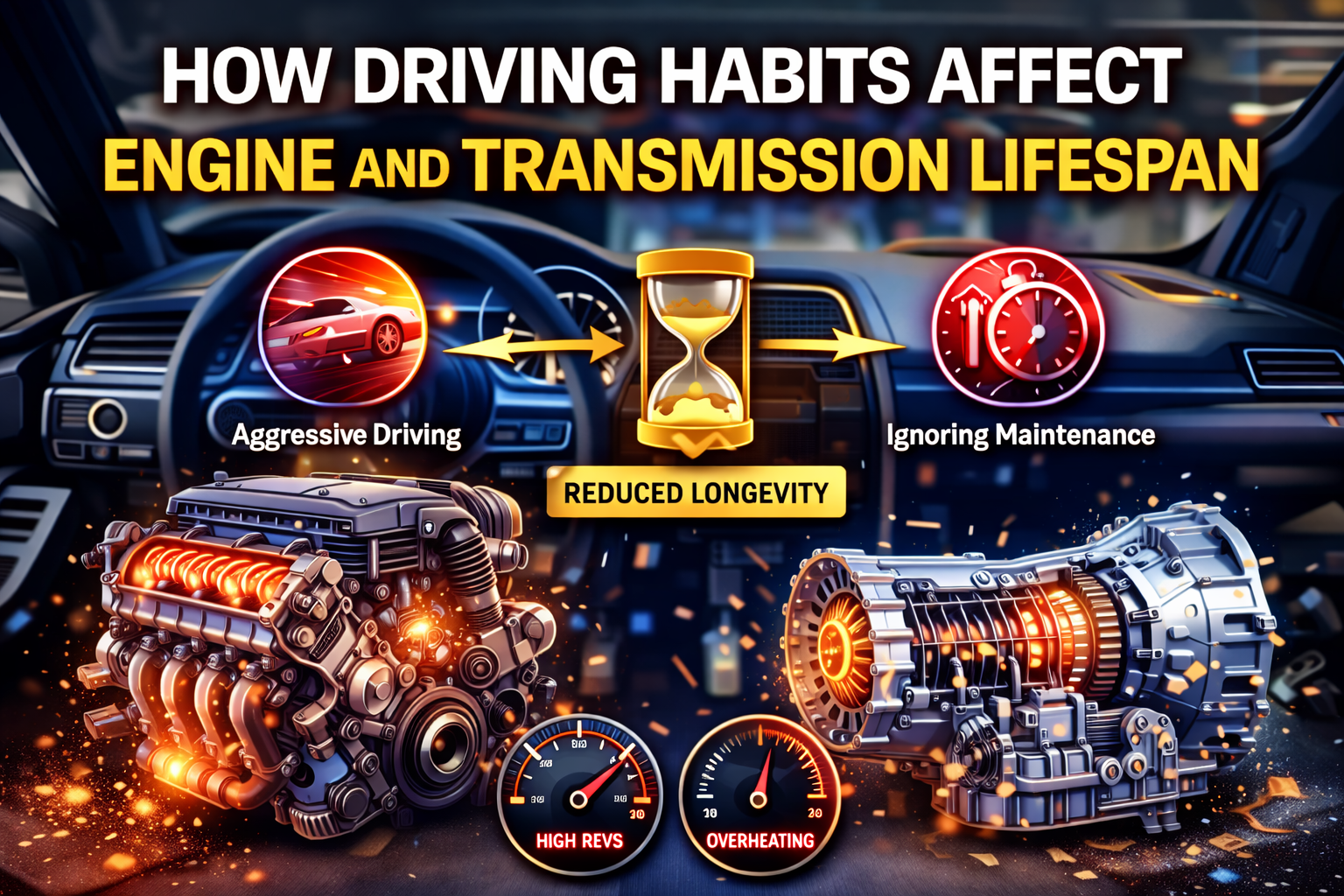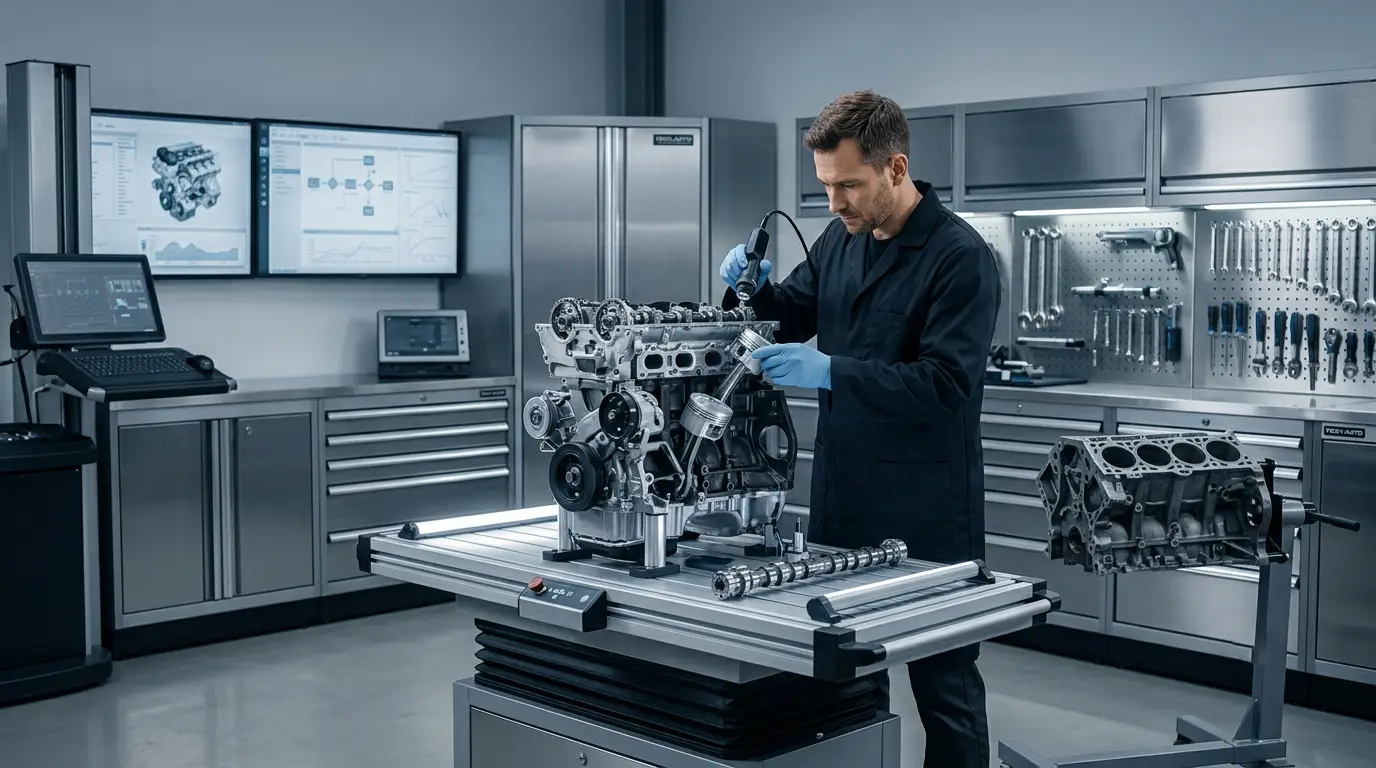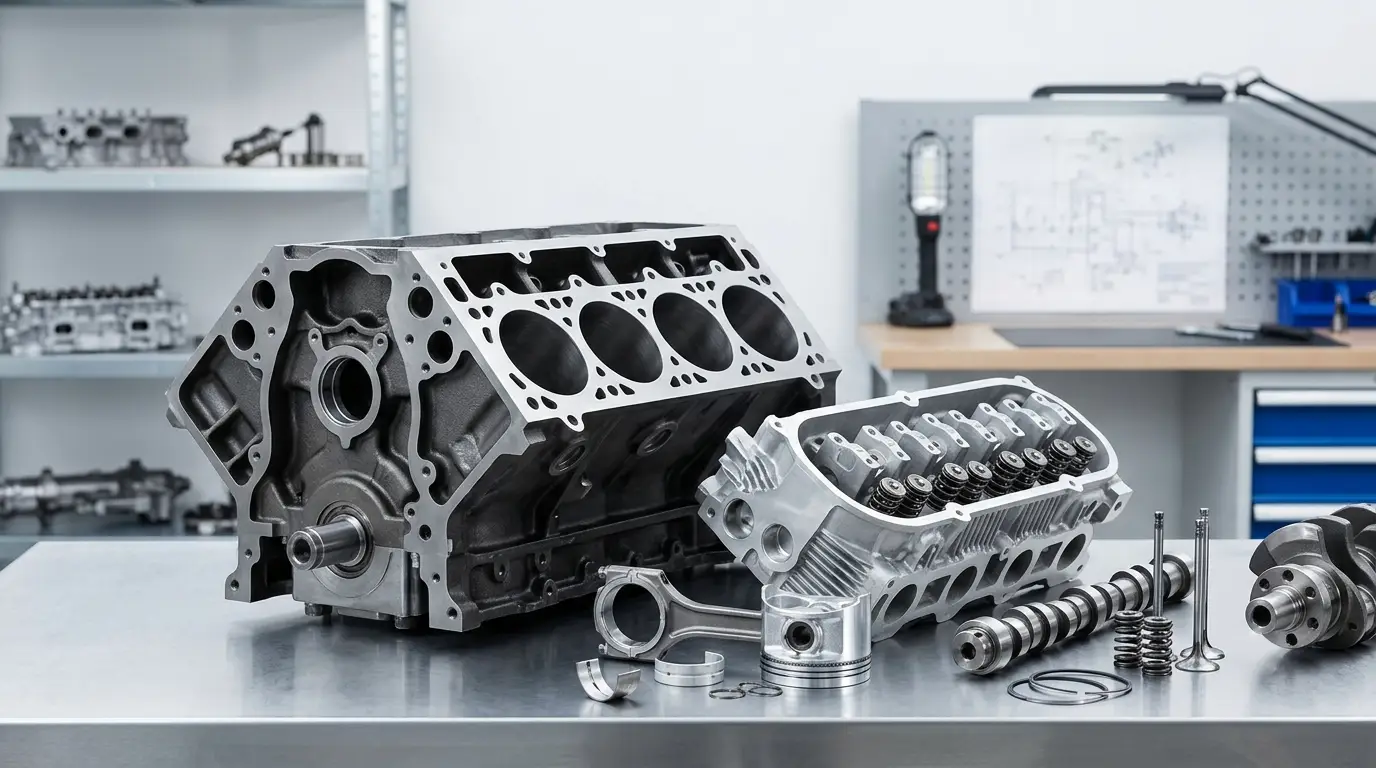
Your car’s engine and transmission are like the heart and muscles of your vehicle. They work together every second you’re on the road. But here’s the truth - how long they last doesn’t depend only on build quality or maintenance. Your driving habits play a massive role.
Think of it this way: two identical cars, same model, same year - one lasts 10 years without major issues, while the other struggles after just 4. The difference? Driving behavior.
Let’s break down exactly how your everyday habits affect your engine and transmission, using a practical pointer-based format you can easily follow.
Rapid acceleration puts extra stress on components.
Smooth acceleration reduces strain and extends component life.
Frequent sudden stops affect overall drivetrain stress.
Gentle braking improves longevity and reduces stress on connected systems.
High RPM equals higher wear.
Moderate speeds help maintain balanced engine performance.
Improper clutch use shortens lifespan.
Proper clutch usage ensures smoother gear transitions and durability.
Engine doesn’t reach optimal temperature.
Longer drives allow the engine to operate efficiently.
Cold engines are more vulnerable.
Allowing a brief warm-up improves lubrication and reduces damage.
Extra weight stresses engine and transmission.
Driving within load limits protects key components.
Improper towing can damage transmission.
Using proper towing equipment and limits is essential.
Constant shifting increases wear.
Heavy traffic conditions require more frequent maintenance checks.
Continuous pressure affects drivetrain balance.
Using engine braking reduces strain and improves control.
Incorrect shifting damages transmission.
Proper shifting ensures smooth operation and longevity.
Small issues become major problems.
Early detection prevents costly damage.
Driving habits and maintenance go hand in hand.
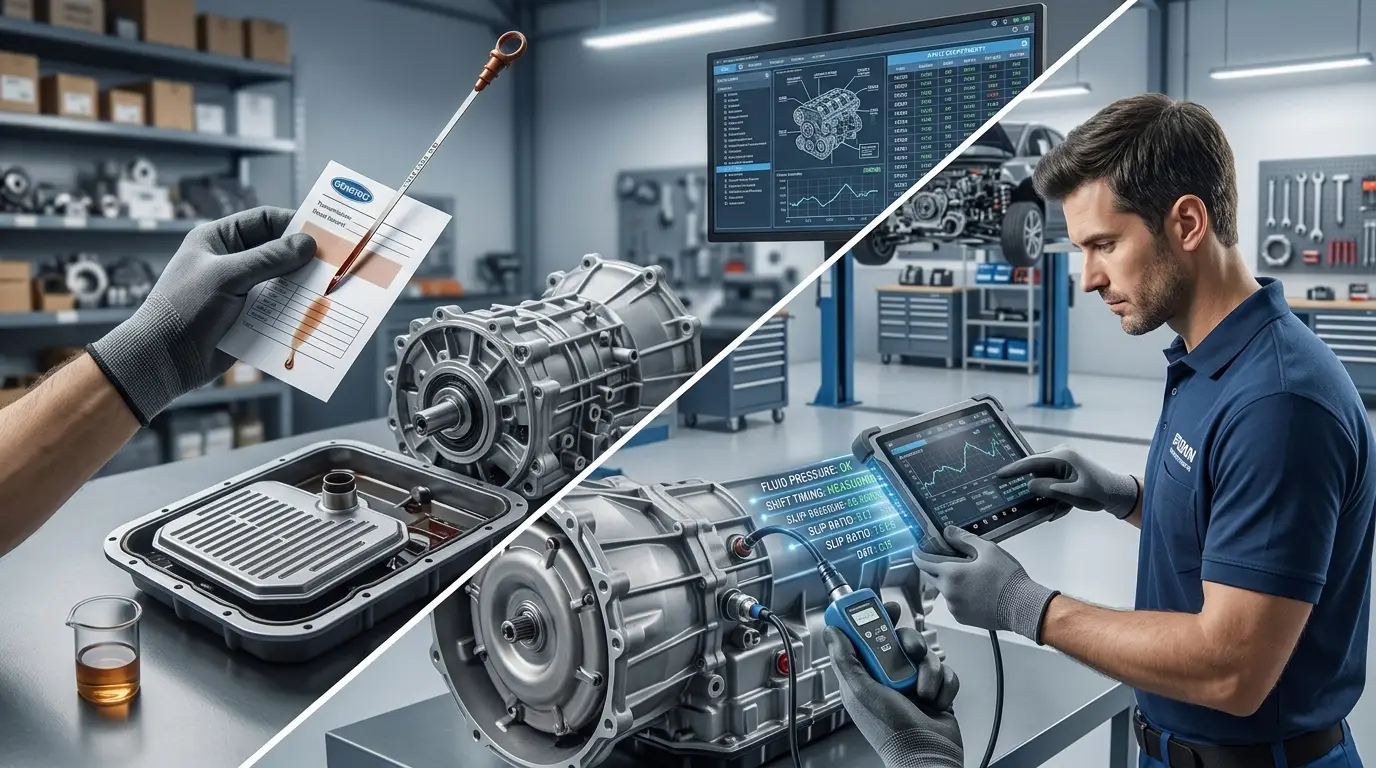
Routine servicing keeps systems running smoothly.
Water can damage engine and transmission.
Avoiding deep water protects internal components.
Wrong inputs affect performance.
Always use manufacturer-recommended products.
Wastes fuel and increases wear over time.
Minimizing idle time helps maintain efficiency.
Shifting without stopping damages transmission.
Always come to a complete stop before changing gears.
Good habits act like preventive care for your vehicle.
Small changes in behavior can lead to big improvements in vehicle longevity.
Your driving habits are one of the biggest factors influencing how long your engine and transmission last. While modern vehicles are built to handle a lot, consistent stress from poor driving can significantly shorten their lifespan.
The good news? You don’t need to be a mechanic to protect your car. By simply driving smarter - accelerating smoothly, avoiding harsh braking, and maintaining your vehicle - you can extend the life of your engine and transmission by years.
Think of your car as a long-term investment. Treat it well, and it will return the favor with reliability, performance, and fewer repair bills.
Yes, frequent hard acceleration increases wear and reduces engine lifespan.
Stop-and-go traffic causes frequent gear shifts, increasing transmission wear.
Yes, especially in colder conditions, as it ensures proper oil circulation.
Ignoring warning signs and delaying maintenance are the most common mistakes.
Absolutely. Proper driving can significantly improve engine and transmission longevity.