Your vehicle's engine is the heart of its performance. While regular maintenance can help an engine last for hundreds of thousands of miles, no engine lasts forever. Over time, wear, overheating, poor maintenance, and internal damage can lead to problems that become too extensive or expensive to repair.
In some cases, replacing a few components is enough to restore performance. In others, a complete engine replacement becomes the most practical and cost-effective solution. Recognizing the warning signs early can help you make an informed decision before a breakdown leaves you stranded.
Below are ten major warning signs that may indicate your vehicle needs an engine replacement rather than another repair.
Your engine may be burning oil or coolant.
Common Symptoms:
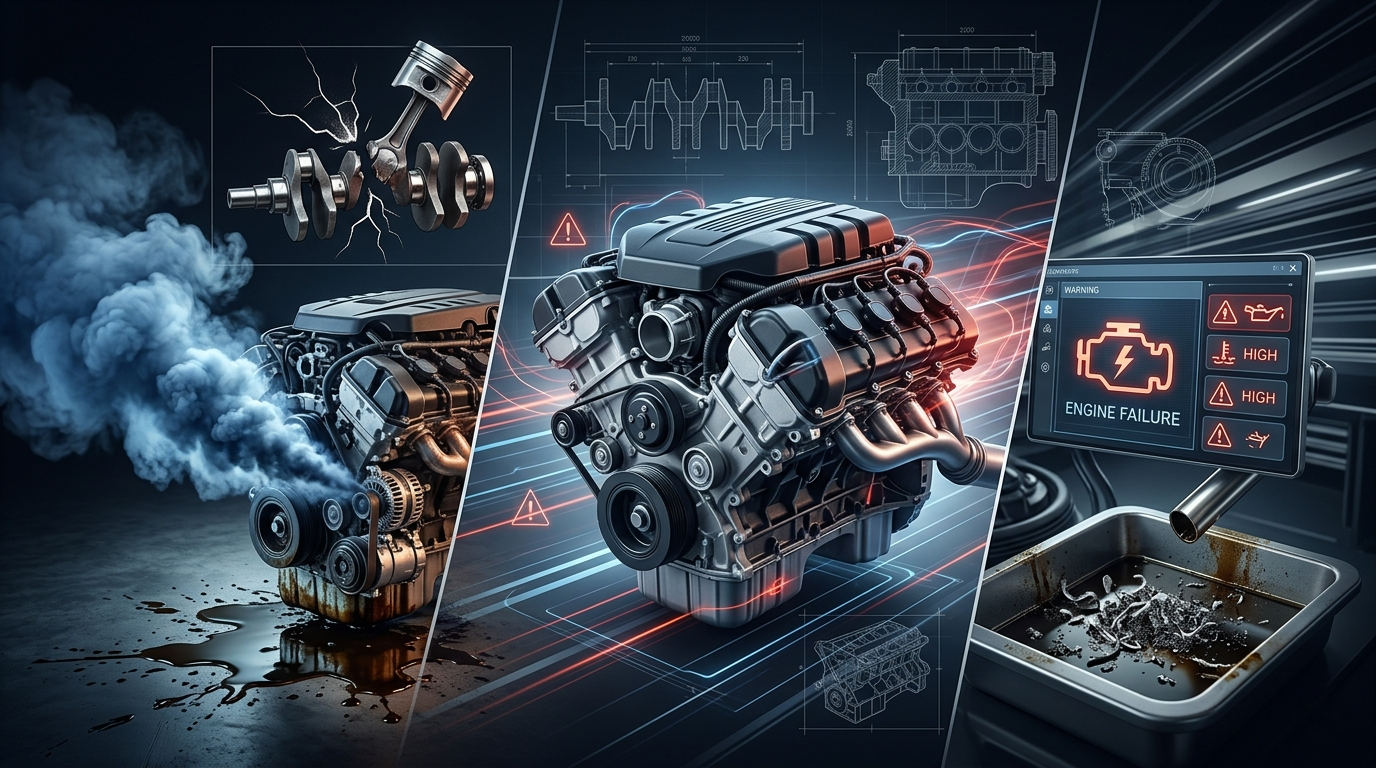
Exhaust smoke can reveal serious internal engine issues. Blue smoke often indicates oil entering the combustion chamber due to worn piston rings, valve seals, or cylinder walls. White smoke may signal a blown head gasket allowing coolant to enter the cylinders.
While minor smoke issues can sometimes be repaired, persistent heavy smoke often points to extensive internal wear that may justify engine replacement.
Internal components may be failing.
Common Symptoms:
Engine knock is often caused by worn rod bearings, damaged pistons, or crankshaft issues. Once internal components begin making significant knocking noises, repair costs can escalate quickly.
In many cases, severe knocking indicates major internal damage that requires a rebuild or replacement.
The engine is using oil faster than normal.
Common Symptoms:
Engines naturally consume a small amount of oil over time. However, excessive oil consumption often points to worn internal components such as piston rings or valve guides.
If oil usage continues to increase despite maintenance, replacement may become the more economical solution.
Heat is one of an engine's biggest enemies.
Common Symptoms:
Overheating can warp cylinder heads, damage pistons, crack engine blocks, and destroy gaskets. If overheating has occurred multiple times, internal damage may already be extensive.
A severely overheated engine often becomes a candidate for replacement rather than repair.
The engine is losing its ability to generate power.
Common Symptoms:
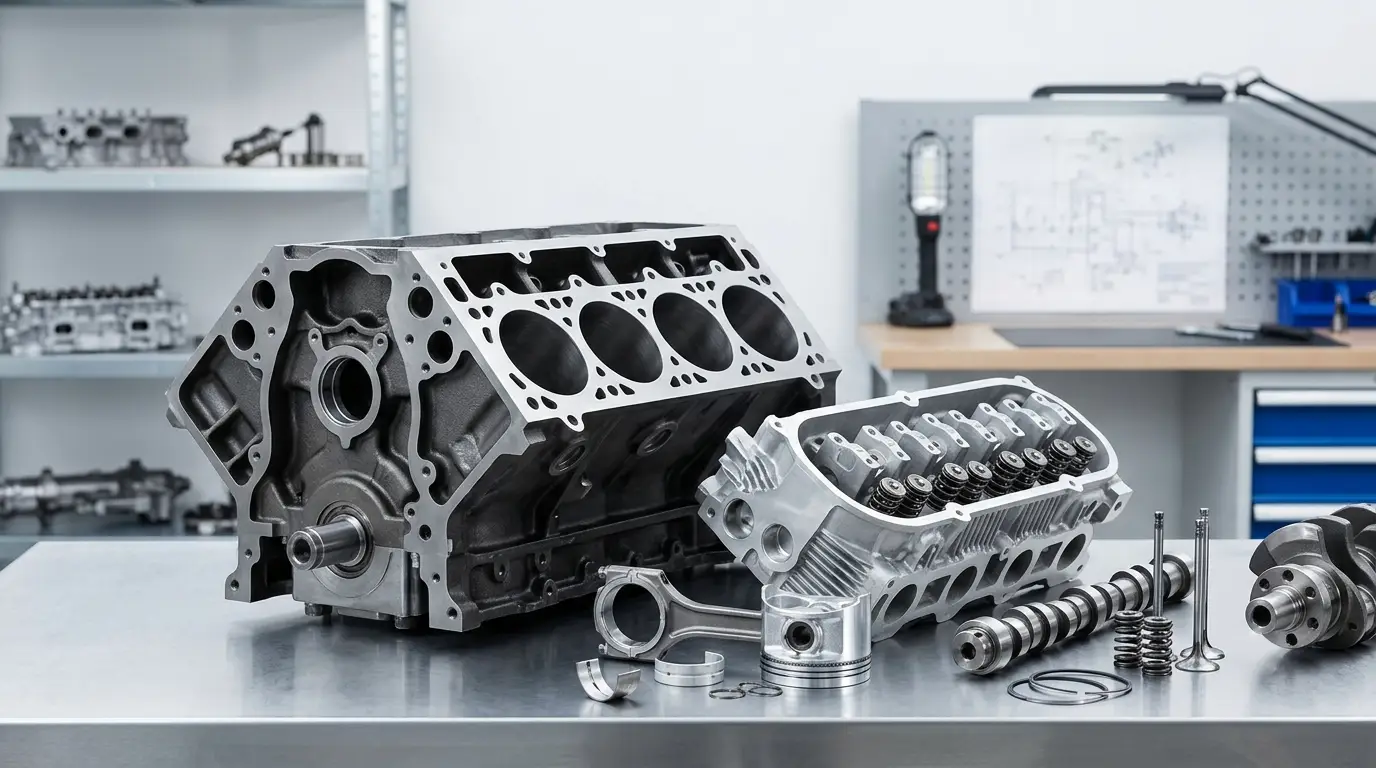
Compression is essential for proper combustion. Worn piston rings, damaged valves, and cylinder wear can reduce compression levels significantly.
When compression loss affects multiple cylinders, engine replacement is often more practical than extensive internal repairs.
Internal engine parts are wearing away.
Common Symptoms:
Metal shavings indicate internal components are deteriorating. Bearings, pistons, crankshafts, or camshafts may be experiencing severe wear.
This is one of the clearest signs that major engine damage is occurring internally.
Electronic diagnostics reveal serious problems.
Common Symptoms:
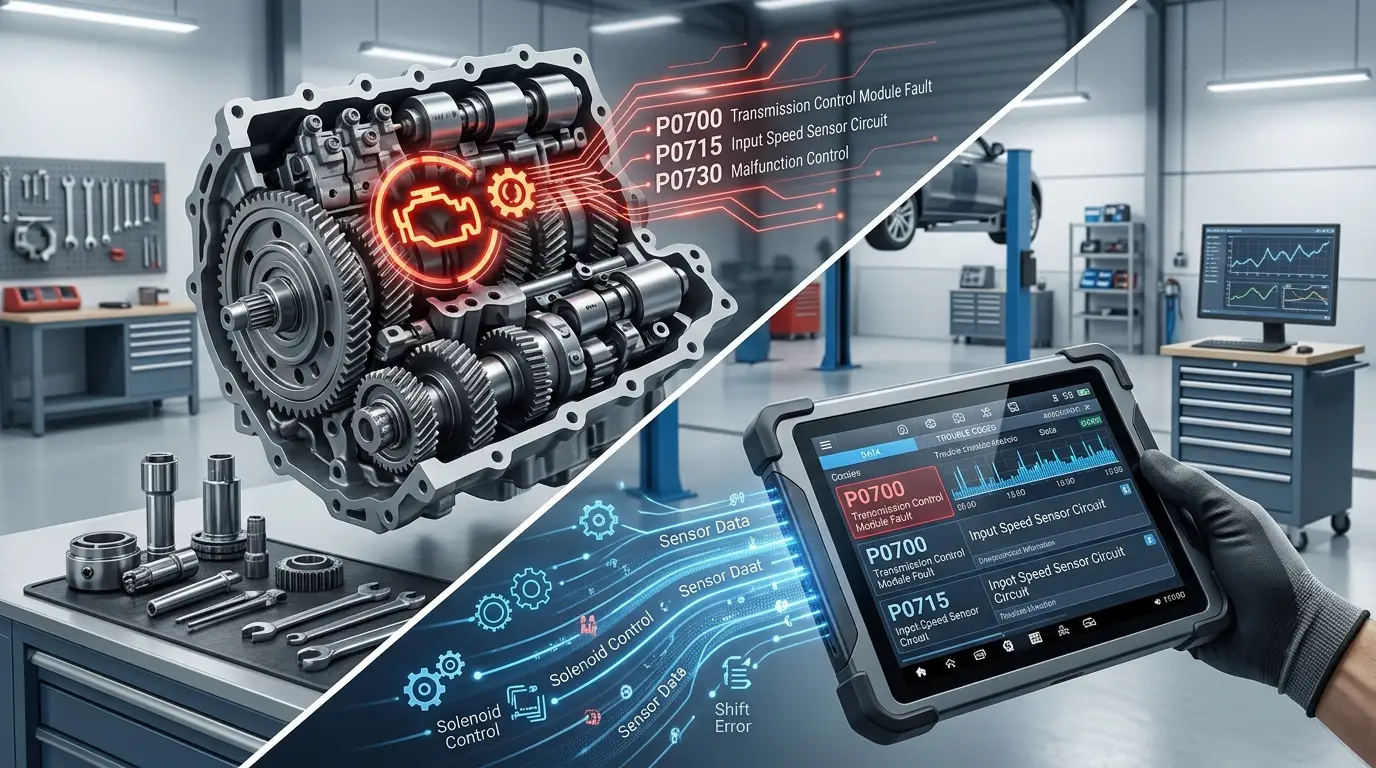
Modern vehicles continuously monitor engine performance. When major fault codes repeatedly return after repairs, they may indicate deeper mechanical problems rather than sensor issues.
A professional diagnosis can help determine whether replacement is the best option.
The engine struggles to perform basic tasks.
Common Symptoms:
An engine suffering from internal wear often loses the ability to produce adequate power. While fuel and ignition issues can cause similar symptoms, severe power loss combined with other warning signs often points to major engine deterioration.
Internal sealing components have failed.
Common Symptoms:
When coolant and oil mix, serious internal damage is often present. This usually occurs due to a failed head gasket, cracked cylinder head, or damaged engine block.
Repair costs can become extremely high depending on the extent of the damage.
Replacement becomes the smarter investment.
Common Symptoms:
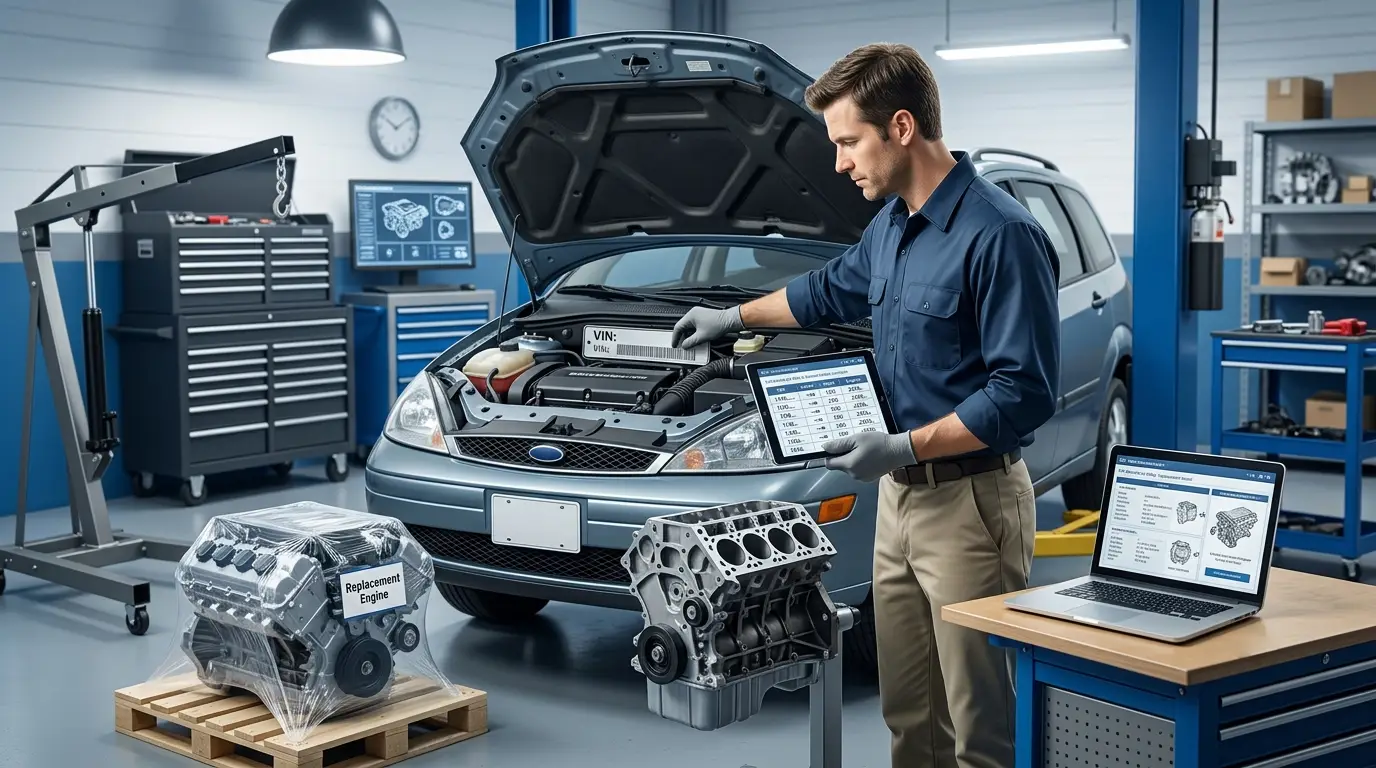
There comes a point where repairing an aging engine no longer makes financial sense. If major components require replacement and repair estimates approach the cost of a replacement engine, replacing the engine often provides better long-term value and reliability.
Although the ten warning signs above are the most common, several secondary symptoms can also indicate severe engine wear:
When multiple symptoms occur together, the likelihood of major engine failure increases significantly.
Replacing a worn-out engine offers several advantages:
A replacement engine can restore dependable daily performance.
A healthy engine operates more efficiently and consumes less fuel.
Replacing a severely damaged engine often reduces ongoing maintenance expenses.
A quality replacement engine can add many years of service to your vehicle.
Acceleration, power delivery, and overall drivability often improve significantly.
Before making a final decision, consider the following steps:
A thorough evaluation helps ensure you make the most cost-effective decision.
Engine failure rarely happens without warning. Most vehicles provide clear signs when major internal problems begin to develop. Excessive smoke, severe knocking, overheating, loss of compression, metal in the oil, and repeated repair needs are all indicators that your engine may be reaching the end of its service life.
The key is recognizing these symptoms early. While some engine problems can be repaired, extensive internal damage often makes replacement the better long-term investment. By understanding these warning signs, you can avoid unexpected breakdowns and make informed decisions about your vehicle's future.
Excessive oil consumption, engine knocking, and persistent overheating are among the most common indicators of serious engine problems.
Yes, depending on the extent of the damage. Minor issues can often be repaired, while severe internal wear may require replacement.
A properly maintained replacement engine can often last 100,000 miles or more, depending on its condition and usage.
In many cases, yes. A replacement engine can significantly extend vehicle life at a lower cost than purchasing another vehicle.
High mileage alone is not a reason for replacement. The decision should be based on overall vehicle condition, repair costs, and engine health.