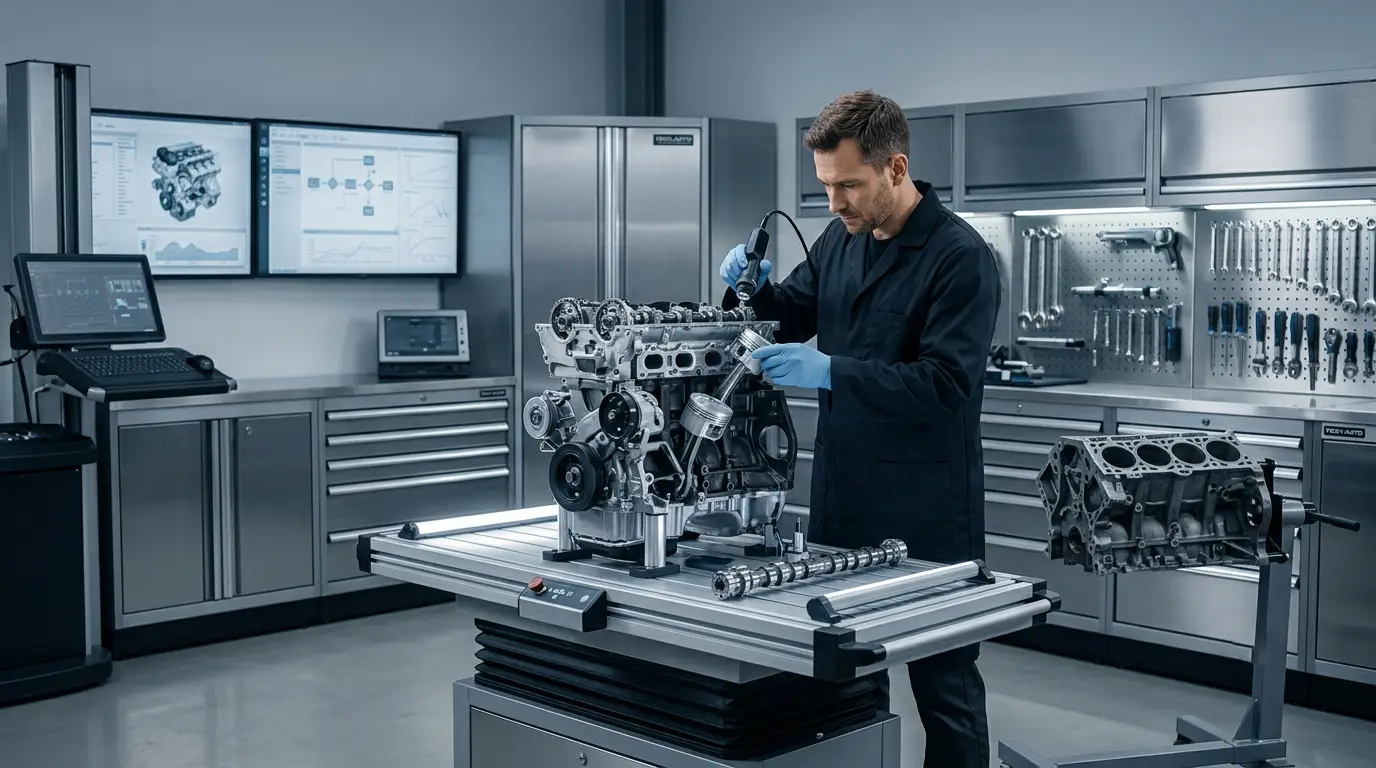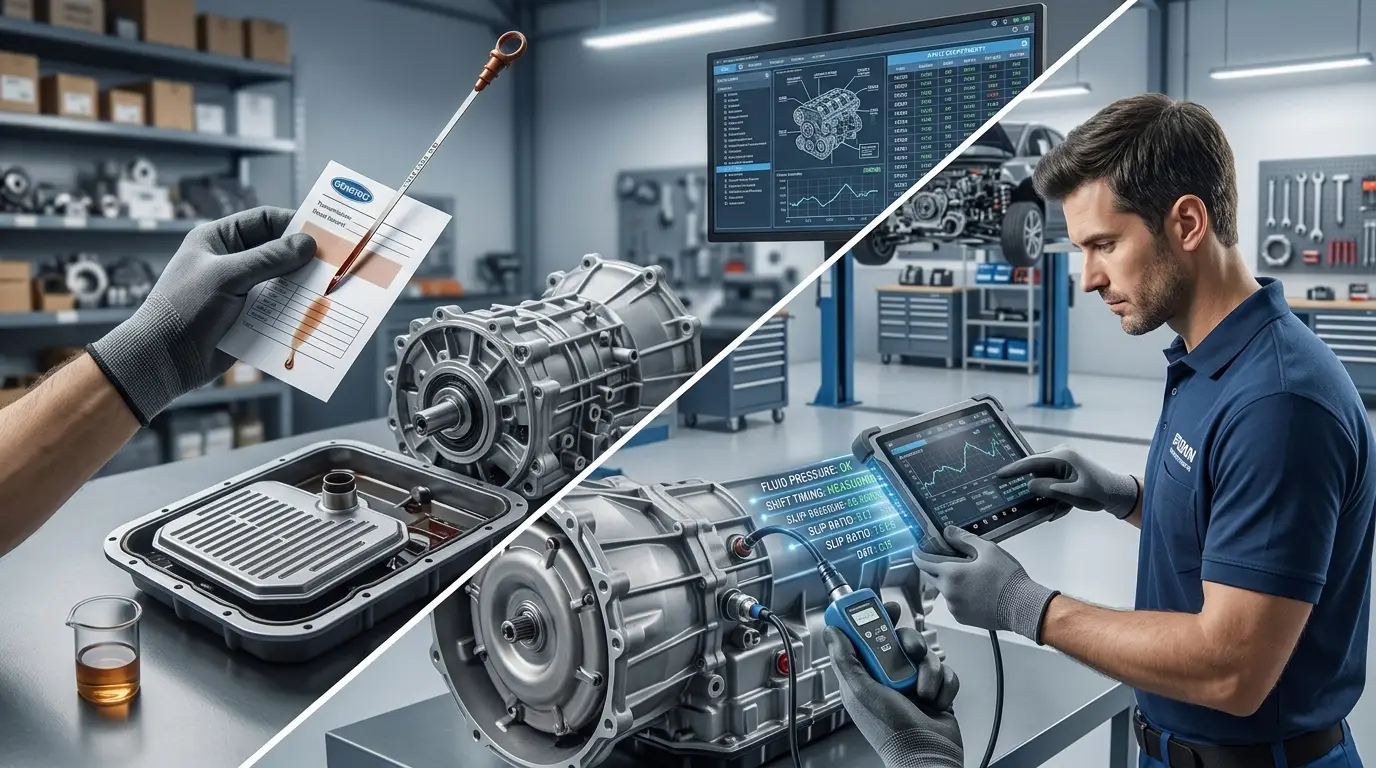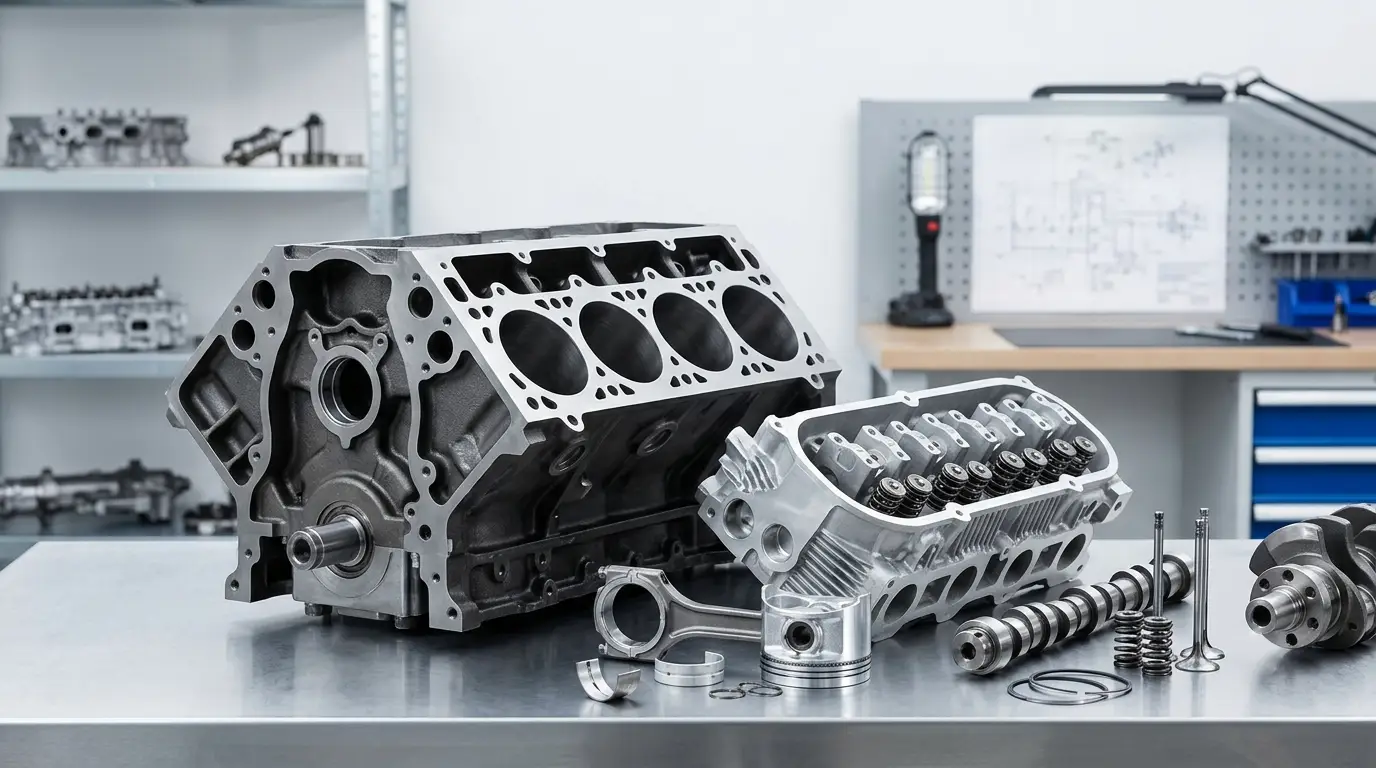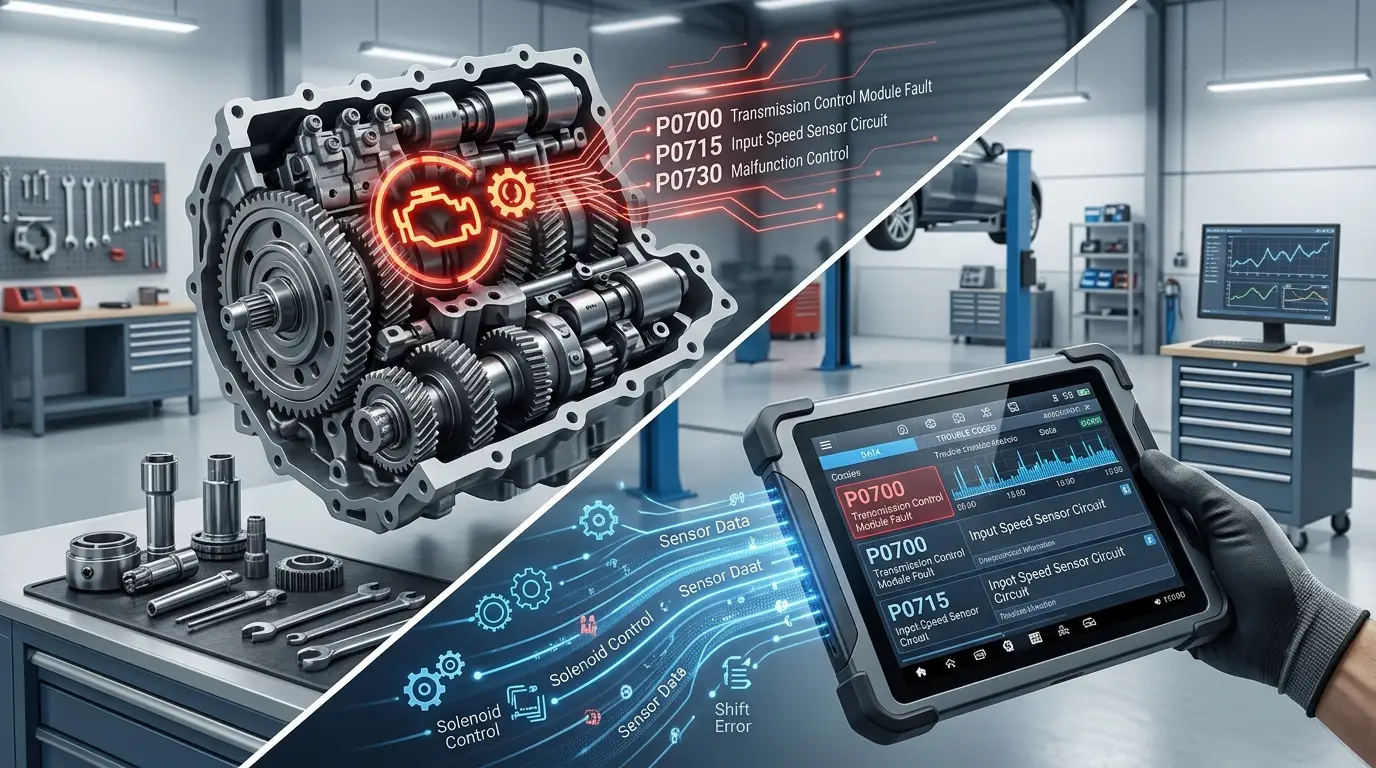


As the world shifts toward more sustainable practices, the automotive industry is also evolving. One often overlooked yet powerful way to reduce environmental impact is by using OEM (Original Equipment Manufacturer) used car parts. While many drivers focus on cost savings, the environmental benefits of reusing auto parts are just as significant - if not more.
Every year, millions of vehicles reach the end of their lifecycle. Without proper recycling and reuse, these vehicles contribute to massive amounts of waste and environmental damage. Choosing OEM used car parts helps reduce this burden while maintaining vehicle performance and reliability.
Below is a detailed pointer-based guide explaining how OEM used car parts contribute to environmental sustainability.
Reusing parts keeps materials out of landfills.
By choosing used OEM parts, you help reduce the volume of automotive waste that ends up in landfills.
Manufacturing new parts requires raw materials.
Every reused part means fewer natural resources are consumed.
Producing new auto parts requires significant energy.
Used OEM parts require minimal processing, saving large amounts of energy.
Manufacturing contributes to greenhouse gas emissions.
Choosing used parts helps reduce emissions linked to production and logistics.
Encourages sustainable resource use.
This approach reduces waste and maximizes the lifespan of automotive components.
Manufacturing processes create pollution.
Using OEM used parts decreases the need for new manufacturing, helping reduce environmental contamination.
Keeping vehicles on the road longer reduces waste.
Extending vehicle life means fewer cars are scrapped prematurely.
Lower demand leads to lower environmental impact.
This directly reduces the strain on industrial resources and energy consumption.
Encourages eco-friendly decision-making.
Drivers who choose used OEM parts contribute to a more sustainable automotive ecosystem.
OEM parts are designed for your vehicle.
You get both environmental benefits and dependable performance.
Recycling metals still consumes energy.
Reusing parts directly avoids additional processing energy.
New parts require packaging materials.
Used parts typically involve minimal packaging, reducing environmental impact.
Auto recycling businesses play a key role.
This supports industries focused on sustainability and resource recovery.
New parts often travel long distances.
Shorter supply chains mean lower environmental impact.
Global vehicle waste is increasing rapidly.
Using OEM used parts is a practical solution to reduce this crisis.
Eco-friendly choices don’t have to be expensive.
Environmental responsibility becomes easier when it’s cost-effective.
Small choices lead to big impact.
Choosing used parts contributes to a larger cultural shift toward environmental responsibility.
Using OEM used parts is a practical way to balance sustainability with functionality.
The environmental benefits of using OEM used car parts go far beyond cost savings. From reducing landfill waste to lowering carbon emissions and conserving natural resources, every reused component makes a difference.
In a world where sustainability is becoming increasingly important, small choices - like opting for used OEM parts - can have a lasting impact. You’re not just repairing your vehicle; you’re contributing to a cleaner, more efficient, and environmentally responsible future.
Choosing reuse over replacement is more than a smart decision - it’s a responsible one.
Yes, they reduce waste, conserve resources, and lower emissions compared to manufacturing new parts.
No, if in good condition, they maintain original performance and fit.
Yes, reusing parts avoids additional energy required for recycling processes.
They are generally reliable since they are original components designed for the vehicle.
They eliminate the need for manufacturing and reduce transportation-related emissions.