
If you’ve ever taken your car to a mechanic or searched online for replacement parts, you’ve probably seen the term OEM car parts pop up again and again. It sounds technical, maybe even expensive, and for many drivers, it raises a simple question: Do OEM parts really matter, or is this just marketing hype?
The short answer?
Yes, OEM parts matter - a lot. Especially when performance, reliability, and long-term peace of mind are on the line.
In this article, we’ll break down what OEM car parts actually are, how they differ from aftermarket and used parts, and why they play such a big role in how your car drives, lasts, and holds its value. No confusing jargon, no sales pitch - just a clear, honest explanation to help you make smarter decisions for your vehicle.
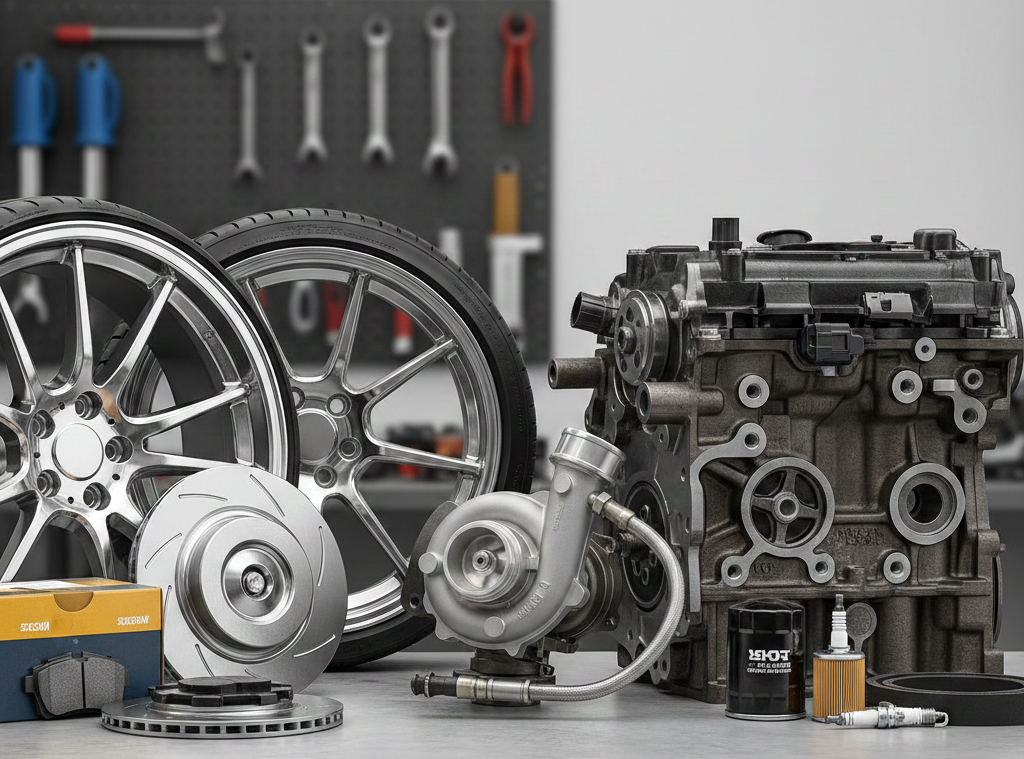
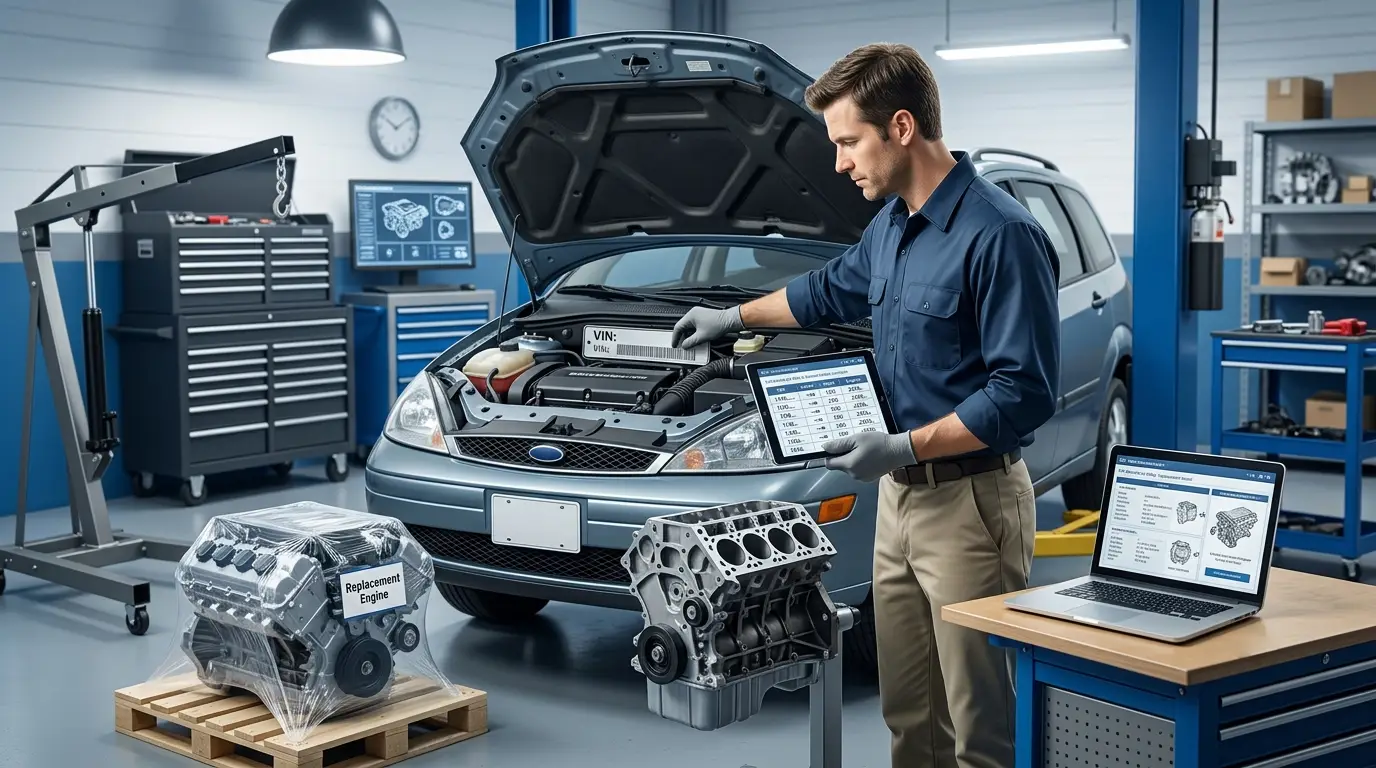
OEM stands for Original Equipment Manufacturer. OEM car parts are the exact components that were used to build your vehicle at the factory.
In other words, if your car rolled off the assembly line with a specific brake pad, sensor, or alternator, the OEM version of that part is identical in design, materials, and specifications.
These parts are:
Think of OEM parts as the “original recipe” for your car.
This is where most drivers get confused, so let’s clear it up.
OEM parts are made by or for the car manufacturer. Aftermarket parts are made by third-party companies that did not build your vehicle.
Aftermarket parts can vary widely in quality. Some are excellent and even outperform OEM parts in certain situations. Others are cheaper alternatives that cut corners on materials or fit.
The key difference is this: OEM parts are designed specifically for your car, while aftermarket parts are designed to fit many cars.
That difference matters more than most people realize.
Performance isn’t just about speed or horsepower. It’s about how smoothly your car runs, how responsive it feels, and how well all its systems work together.
OEM parts are built to match your car’s exact specifications. There’s no guessing, no adjusting, and no “close enough.”
That precise fit means:
A poorly fitting part, even if it works at first, can slowly cause wear and tear elsewhere.
Because OEM parts match the originals, they maintain the same driving feel your car had when it was new. Throttle response, braking pressure, steering feedback - it all stays consistent.
For drivers who value how their car feels on the road, OEM parts help preserve that experience.
Reliability is where OEM parts really shine.
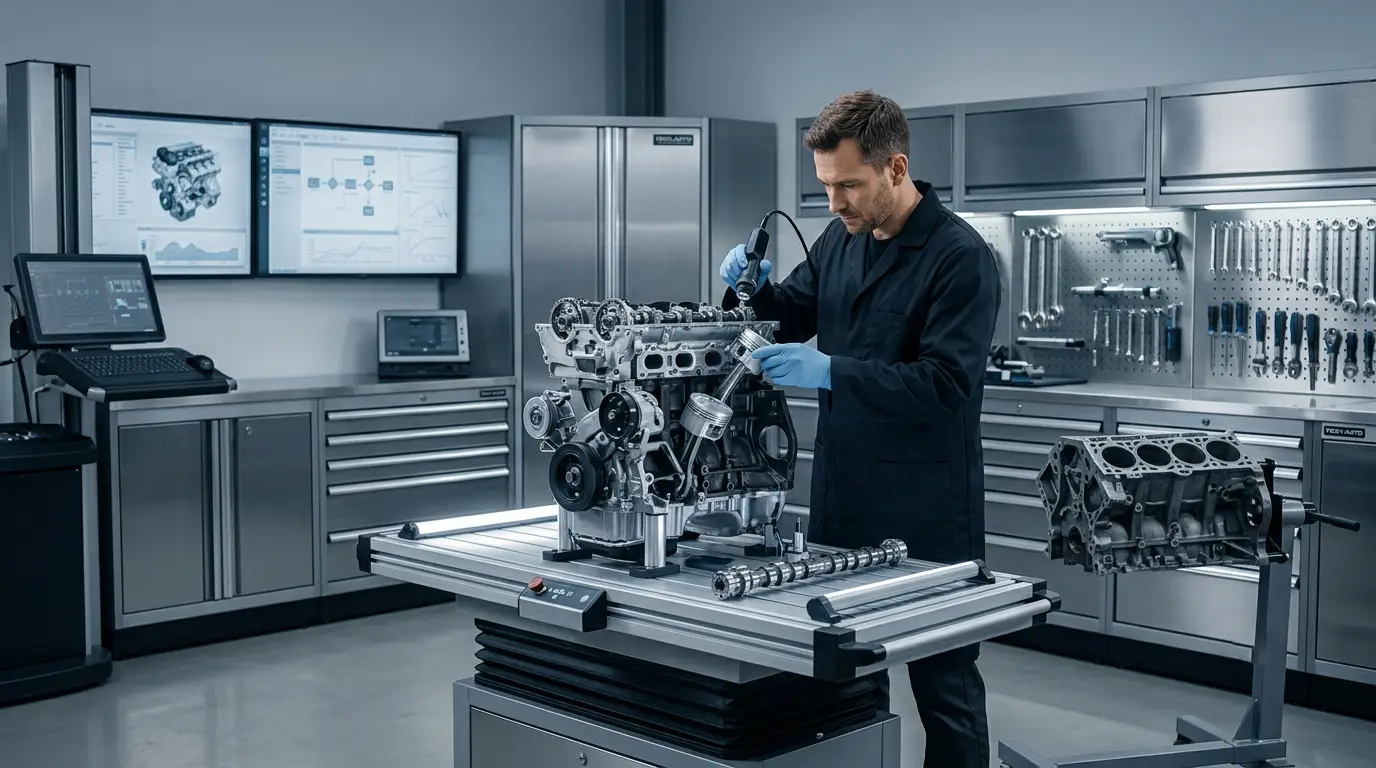
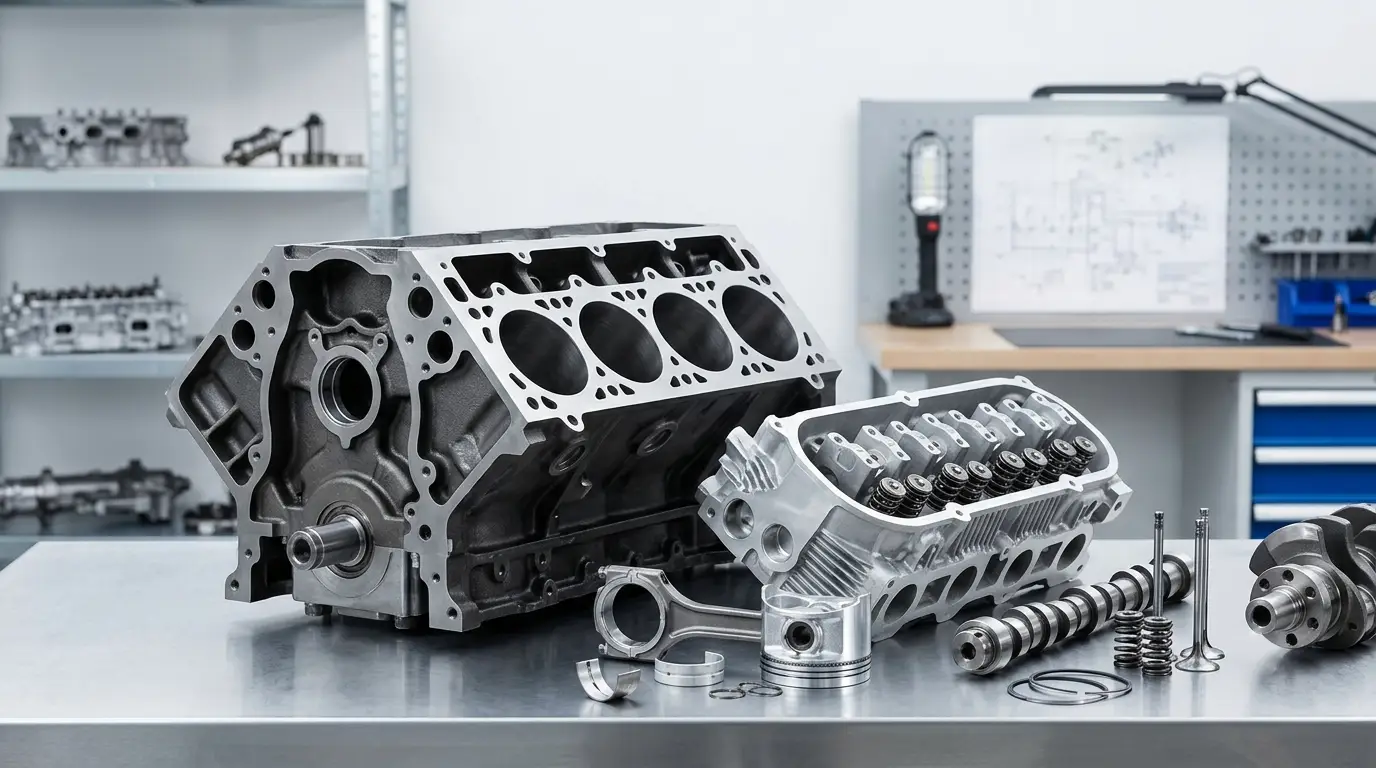
OEM parts are designed with your specific car engine, transmission, and systems in mind. They’re tested under real-world conditions to ensure durability over time.
This often translates to:
You’re not just buying a part - you’re buying predictability.
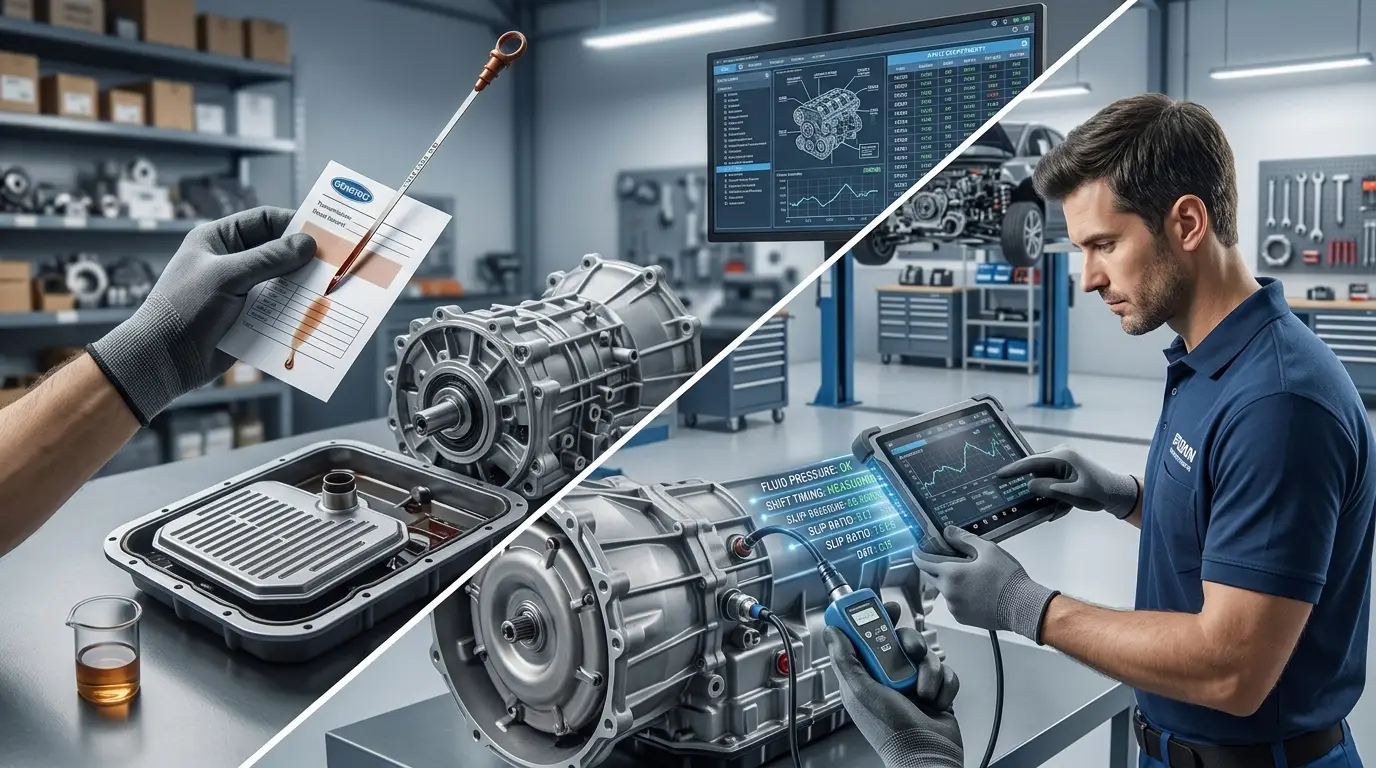
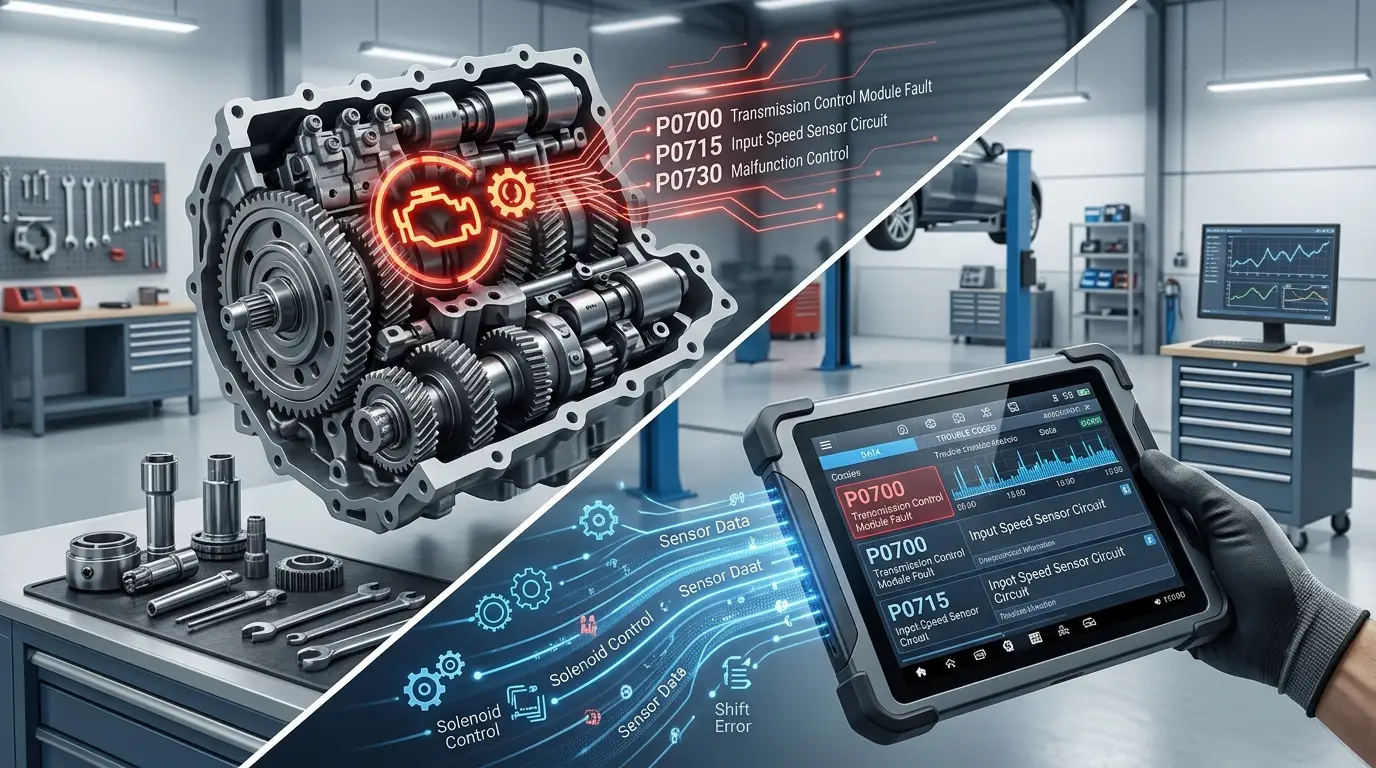
Modern vehicles rely heavily on electronics and sensors. A small mismatch can trigger warning lights, error codes, or system malfunctions.
OEM parts communicate seamlessly with your car’s onboard computer systems, reducing the risk of glitches or false alerts.
When it comes to safety, OEM parts aren’t just a good idea - they’re often the smartest choice.
Components like:
are engineered as part of a complete safety system. OEM parts ensure those systems function exactly as intended.
Using non-OEM alternatives for safety-critical components can introduce unknown variables, and that’s not a gamble worth taking.
If your vehicle is still under warranty, OEM parts matter even more.
Most manufacturers require OEM parts for warranty-covered repairs.
Using aftermarket parts in certain repairs can:
OEM parts help keep your warranty intact and your financial risk low.
There’s no avoiding it: OEM parts usually cost more upfront. But the price difference tells only half the story.
Cheaper parts can save money today but cost more tomorrow if they fail early or cause additional damage.
Used OEM parts deserve a quick mention. These are original parts taken from another vehicle, often from a salvage or recycling yard.
They can be a good option for:
However, used OEM parts don’t offer the same reliability or lifespan as new OEM parts, especially for mechanical or electronic components.
OEM parts are especially important when:
In these cases, reliability and compatibility matter more than saving a few dollars.
To be fair, aftermarket parts aren’t always a bad choice.
They can make sense when:
The key is knowing the difference between a high-quality aftermarket part and a cheap substitute.
If you plan to sell or trade in your car one day, OEM parts can help protect its value.
Service records showing OEM replacements signal that the vehicle was properly maintained. Buyers and dealerships often view OEM-equipped vehicles as more trustworthy and less risky.
It’s a small detail that can make a noticeable difference at resale time.
There’s something underrated about not having to worry.
OEM parts offer peace of mind because:
For many drivers, that confidence alone is worth the extra cost.
OEM car parts play a critical role in maintaining your vehicle’s performance, reliability, and safety. While they may cost more upfront, they deliver consistent quality, perfect fitment, and long-term dependability that cheaper alternatives can’t always match.
Whether you’re protecting your warranty, preserving resale value, or simply keeping your car running the way it was designed to, OEM parts are often the smartest investment. In the end, it’s not just about replacing a part - it’s about preserving the integrity of your entire vehicle.
OEM stands for Original Equipment Manufacturer, meaning the parts are identical to those originally installed in your vehicle.
OEM parts offer guaranteed fit, reliability, and compatibility, while aftermarket parts vary widely in quality.
Yes, most OEM parts include a manufacturer-backed warranty for added peace of mind.
In some cases, yes - especially if the aftermarket part causes a related failure.
For safety, reliability, and long-term ownership, OEM parts are often worth the investment.