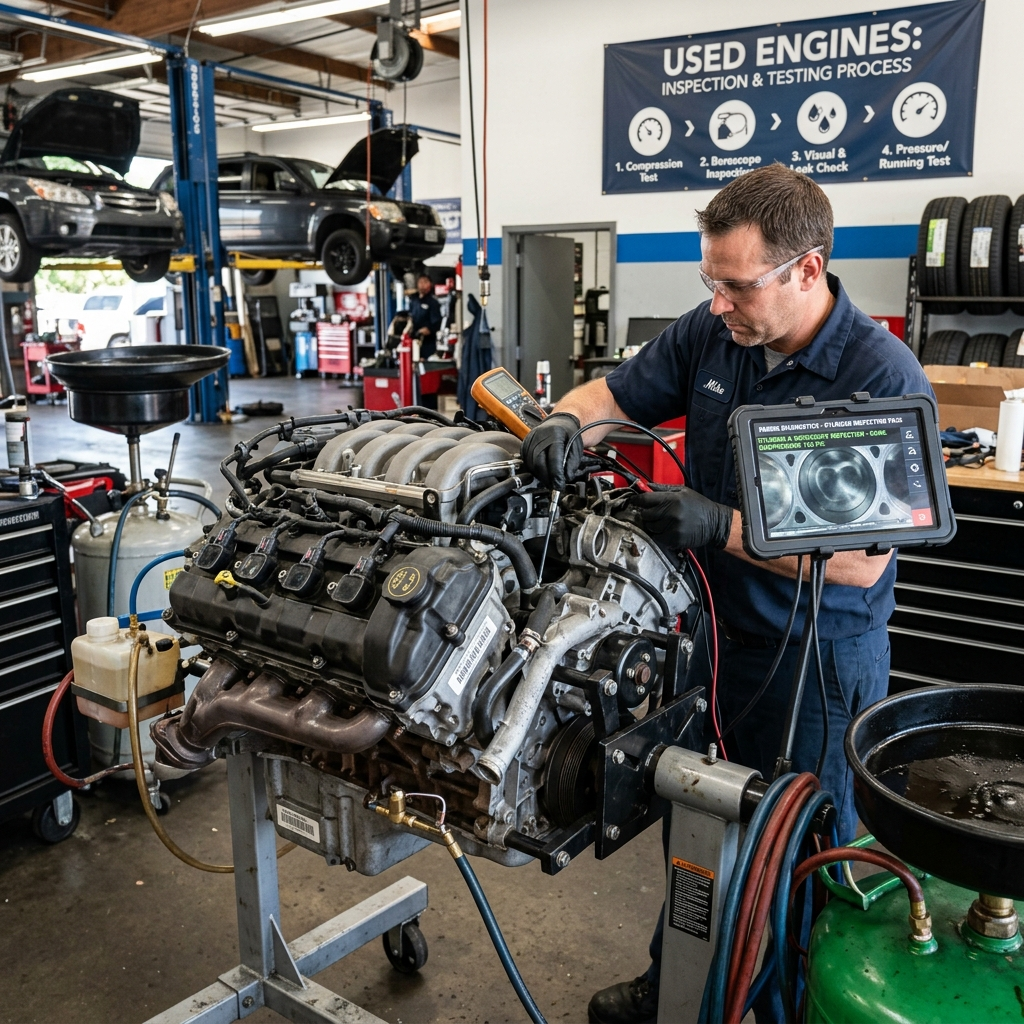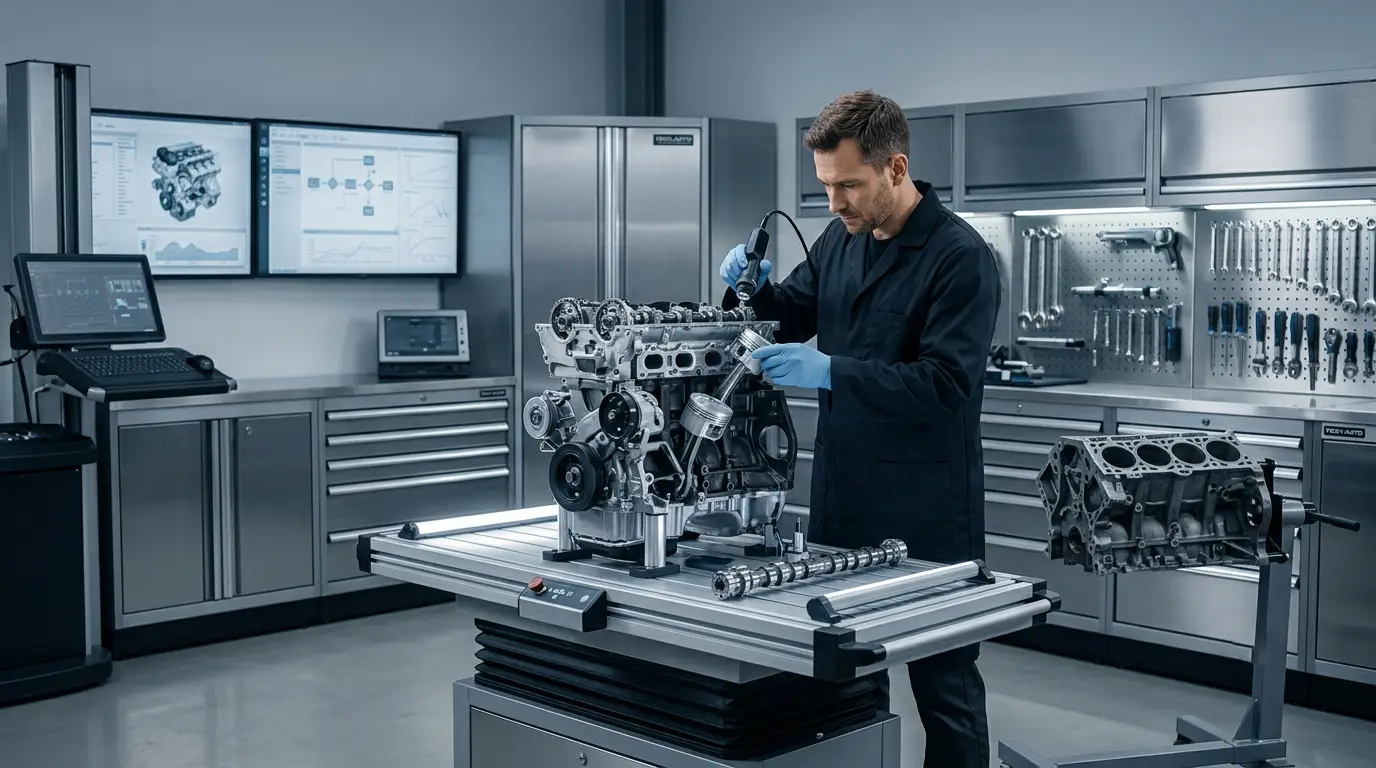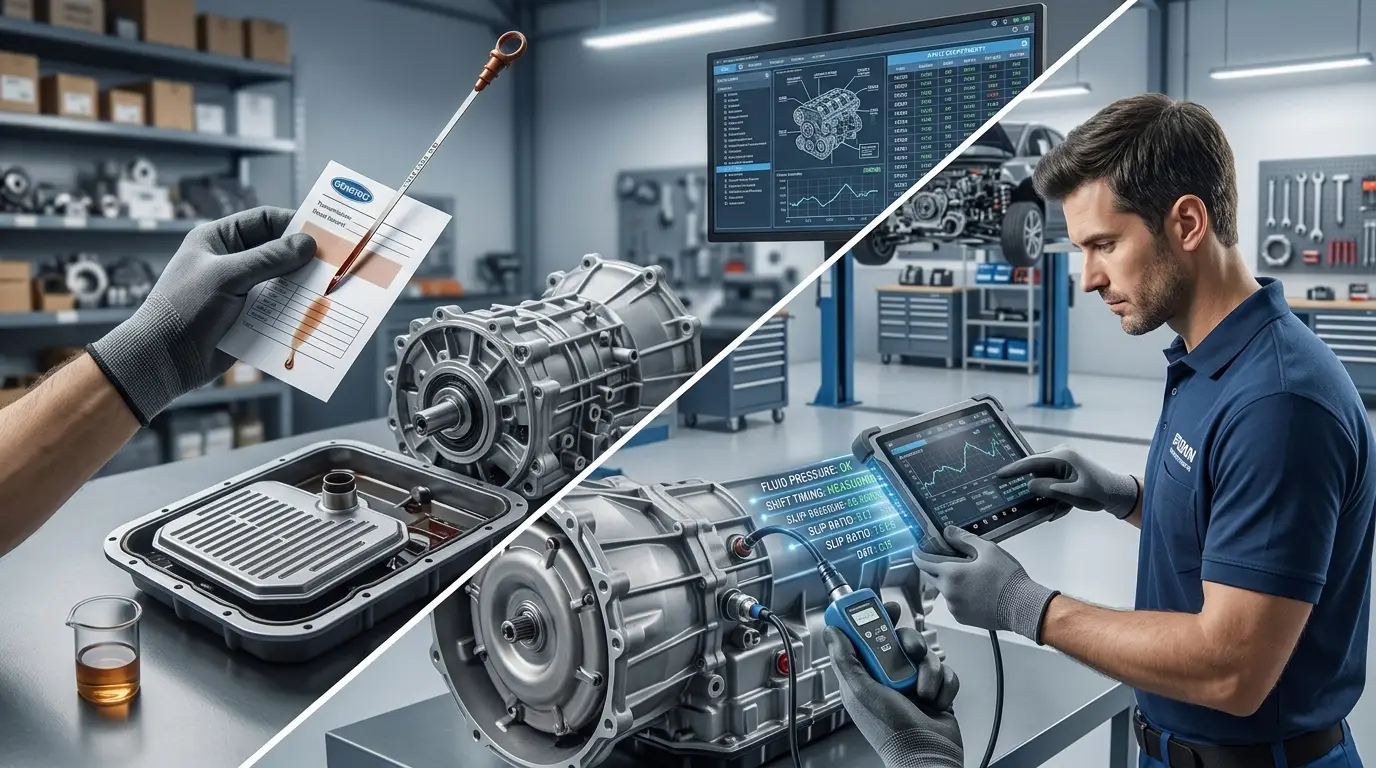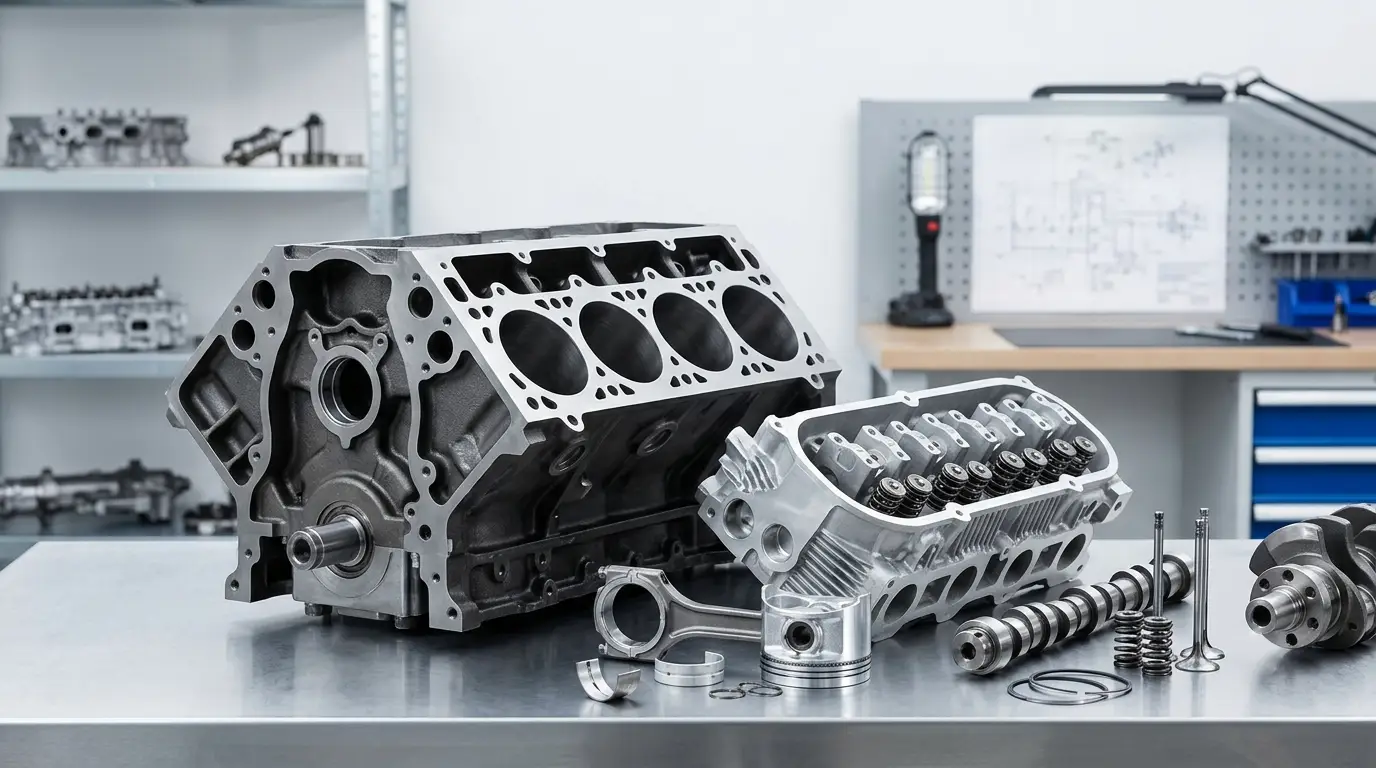
Buying a used engine can be a smart and cost-effective solution when your current engine fails. But one question always comes up: How do you know the engine is reliable? That’s where inspection and testing processes come into play.
Reputable sellers don’t just remove an engine and put it up for sale. Instead, they follow detailed procedures to evaluate performance, identify issues, and ensure the engine is suitable for resale. These steps help buyers get a dependable product rather than a risky gamble.
Below is a detailed pointer-based guide explaining how used engines are inspected and tested before they reach the market.
Understanding the source of the engine.
Engines from well-maintained vehicles are more likely to be in good condition. A severely damaged donor vehicle may indicate hidden engine issues.
Determining engine usage.
Lower mileage generally indicates less wear, though maintenance history is equally important.
Checking for obvious damage or wear.
A thorough visual inspection helps identify visible problems before deeper testing begins.
Evaluating internal health through fluids.
Dirty or contaminated fluids may indicate internal damage or poor maintenance.
Measuring engine cylinder performance.
Consistent compression across cylinders indicates good internal sealing and engine health.
Identifying internal leaks.
This test provides a more detailed understanding of internal engine condition.
Observing real-time performance.
Running tests offer valuable insight into actual engine performance.
Ensuring proper lubrication system function.
Low oil pressure can indicate worn bearings or internal damage.
Evaluating critical internal components.
Timing system failure can cause severe engine damage, so it’s carefully evaluated.
Checking top-end engine components.
The cylinder head plays a key role in engine efficiency and combustion.
Reading engine performance history.
Spark plugs provide clues about how the engine was running before removal.
Identifying combustion issues.
These signs can indicate internal engine problems.
Preparing the engine for resale.
Cleaning allows better inspection and gives buyers a clear view of the engine condition.
Improving reliability before resale.
Basic refurbishing improves performance and prevents immediate problems after installation.
Providing transparency to buyers.
Clear documentation builds trust and helps buyers make informed decisions.
Maintaining engine condition before sale.
Proper storage prevents rust and damage while the engine is awaiting sale.
Ensuring readiness for resale.
This step ensures the engine meets resale standards and is ready for installation.
A properly inspected engine is far more dependable than one sold without testing.
Used engines can offer excellent value - but only when they are thoroughly inspected and tested. From compression testing and leak-down analysis to visual inspections and real-time performance checks, every step plays a role in ensuring quality.
When you buy from a reputable seller who follows these procedures, you’re not just saving money - you’re making a smart, informed investment. A well-tested used engine can deliver reliable performance for years, proving that affordability doesn’t have to mean compromise.
Always ask for inspection reports, test results, and warranty details before purchasing. Transparency is key to making the right decision.
Yes, properly inspected and tested engines can be very reliable when sourced from reputable sellers.
It measures the pressure in engine cylinders to evaluate internal engine health.
Reputable sellers usually provide documentation and test reports upon request.
Many sellers offer limited warranties depending on the engine condition and supplier.
Review inspection reports, verify mileage, check warranty, and confirm compatibility with your vehicle.