

Buying a used engine can be one of the smartest ways to get a vehicle back on the road without paying the price of a brand-new replacement. It is often the practical middle ground between rebuilding a damaged engine and replacing the entire vehicle. But like any major purchase, a used engine comes with questions - and the right answers matter.
Mileage, condition, testing history, warranty coverage, and seller reputation all play a major role in whether the engine you buy becomes a reliable solution or an expensive mistake. A used engine should never be treated like a blind gamble. The more you understand before buying, the better your chances of getting long-term value.
Below is a clear pointer-based guide explaining what to expect when buying a used engine and what each step really means.
Mileage tells part of the story, not the full story.
Many buyers focus only on mileage, but an engine with slightly higher miles and solid maintenance can often be a better choice than a neglected low-mileage one.
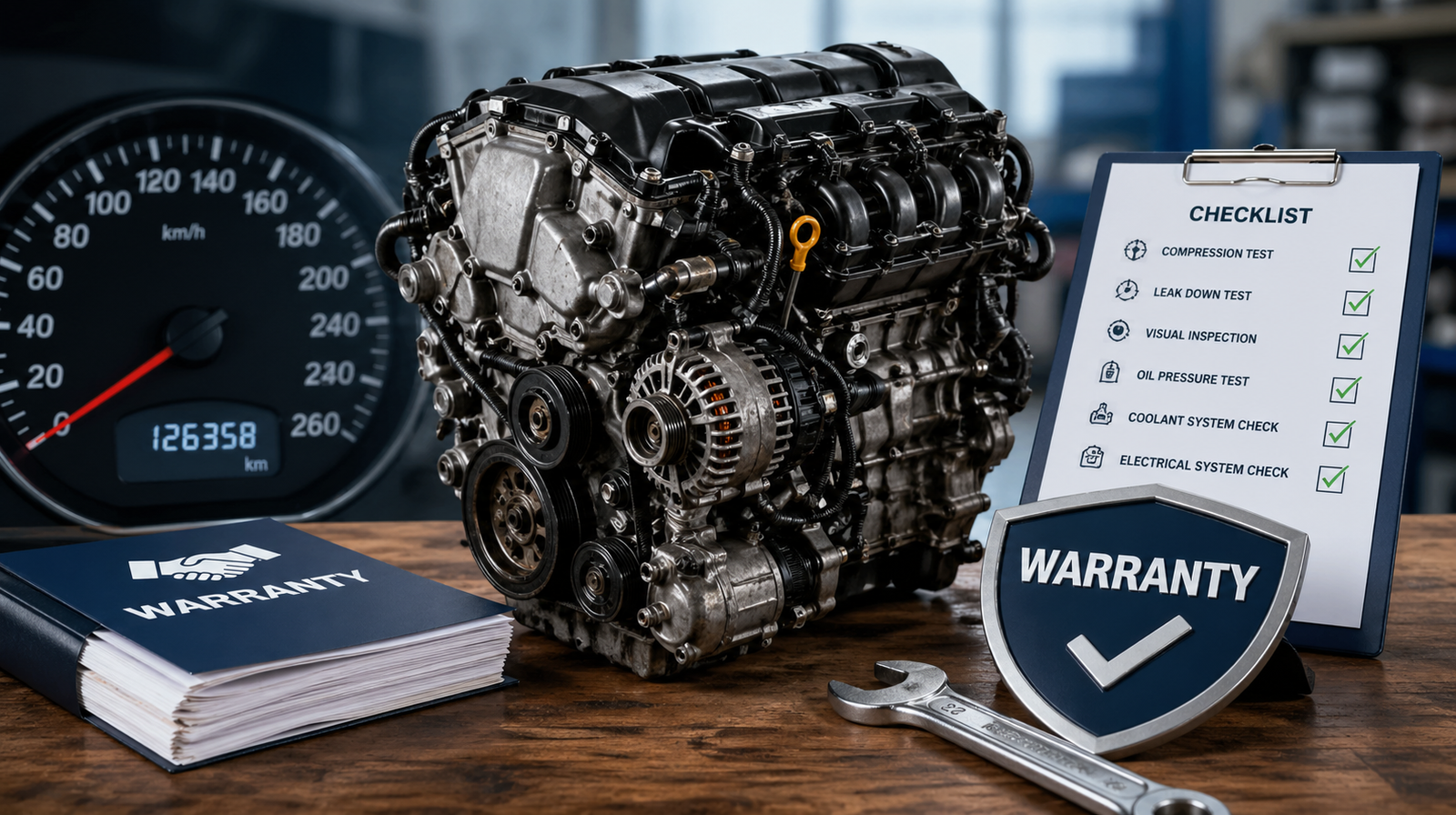
Always request a specific number, not an estimate.
Exact mileage gives you a clearer picture of expected wear and helps compare options more accurately.
Where the engine came from matters.
A clean donor vehicle often means a safer engine purchase.
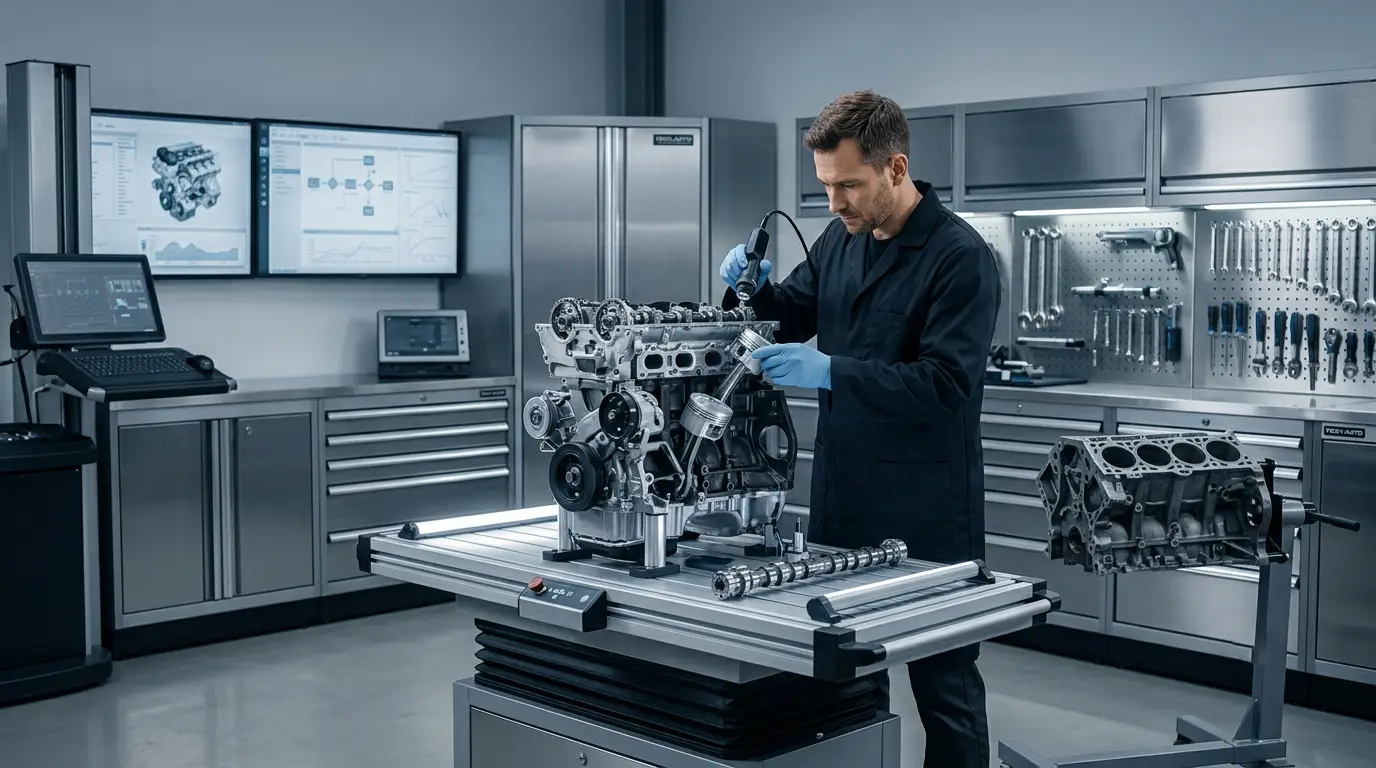
Testing separates reliable inventory from guesswork.
A seller should be able to explain what tests were performed and what the results showed.
Compression reveals internal engine health.
Even compression across cylinders is one of the best signs that the engine is mechanically sound.
This checks for internal sealing problems.
It offers a deeper look than compression testing alone and adds confidence to the purchase.
What you can see often reveals a lot.
A clean visual inspection can reveal how well the engine was maintained before removal.
Oil often reveals internal engine health.
Looking at the oil can help identify hidden problems before the engine is installed.
Some sellers refresh basic service parts.
Minor preventive replacements can reduce the risk of immediate issues after installation.
Not every engine that looks similar will fit.
Compatibility matters just as much as condition when buying used.
Used engines are not always sold complete.
Knowing what comes with the engine prevents surprises during installation.
A warranty adds protection - but read the details.
A warranty is valuable, but only if you understand exactly what it covers.
Not every problem appears immediately.
A clear return policy gives you added protection if issues appear early.
Storage affects engine condition after removal.
Even a good engine can develop issues if stored improperly.
Who you buy from is just as important as what you buy.
A reputable seller reduces risk and usually offers better support if problems arise.
Improper installation can void coverage.
Following seller requirements protects both the engine and your warranty rights.
The cheapest option is not always the best value.
A slightly higher upfront price often buys better reliability and lower long-term risk.
If these basics are missing, the risk goes up quickly.
A good used engine seller should make the buying process clearer, not riskier.
A used engine can be a smart investment when you know what to look for. Mileage matters, but testing matters more. Warranty matters, but seller transparency matters just as much. The goal is not just to buy an engine - it is to buy confidence.
When you ask the right questions, review the right details, and avoid rushed decisions, a used engine can deliver solid performance and long-term value without the cost of a new replacement.
Buy carefully, verify everything, and let the details guide the decision.
Not always. Lower mileage helps, but maintenance history and testing are just as important.
Compression and leak-down testing are two of the most useful checks for engine condition.
Yes, a reputable seller should offer at least a limited warranty.
Avoid engines with no mileage proof, no testing records, or unclear warranty terms.
Yes, when properly tested and sourced from a reliable seller, it can be a cost-effective solution.