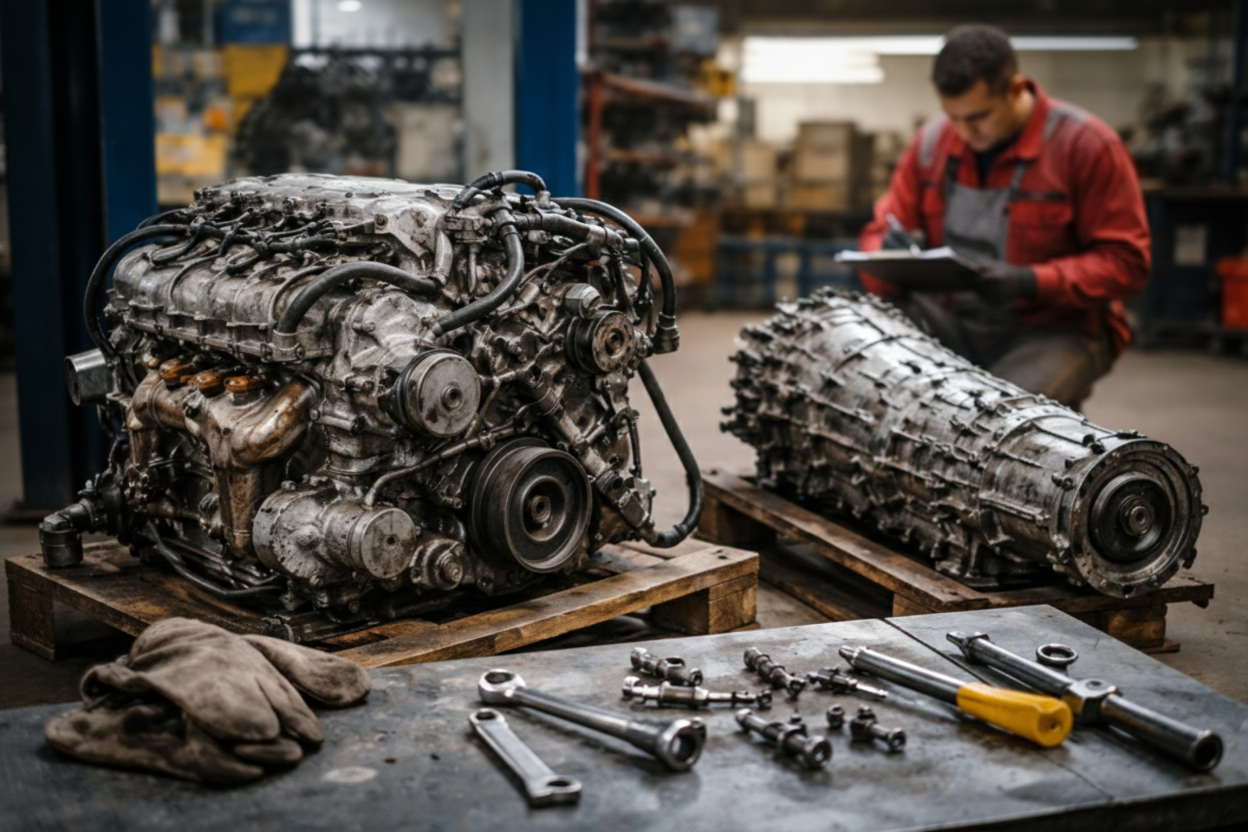

Buying a used engine or transmission can feel like walking a tightrope. On one hand, it can save you thousands of dollars compared to buying new. On the other, one wrong move can leave you stuck with a costly paperweight that fails a few months later. The difference between a smart purchase and a nightmare often comes down to one thing: asking the right questions before you buy.
Used engines and transmissionsq aren’t inherently bad. In fact, many are pulled from vehicles that were totaled for reasons completely unrelated to drivetrain health. But since these are some of the most expensive and complex components in a vehicle, you can’t afford to guess.
This guide walks you through the most important questions to ask before buying a used engine or transmission, helping you protect your money, your time, and your sanity.
An engine or transmission isn’t like buying a used mirror or door panel. These parts determine whether your car moves at all. Without proper background information, you’re essentially gambling.
Asking detailed questions helps you:
The more transparent the seller is, the safer your purchase usually is.
Mileage is one of the first - and most important - questions to ask.
Lower mileage generally means:
But mileage alone isn’t everything. A well-maintained engine with 120,000 miles can outperform a neglected one with 70,000 miles. Still, you should always ask for an exact or estimated mileage, not a vague range.
If the seller can’t provide mileage at all, consider that a red flag.
You’ll want to know:
This information helps confirm compatibility and gives insight into how the part may have been used. For example, a transmission pulled from a highway-driven sedan likely experienced less stress than one from a work truck used for towing.
Knowing the donor vehicle also makes it easier to research known issues tied to that model or engine generation.
This question reveals a lot.
Good reasons include:
Riskier reasons include:
If the vehicle was scrapped due to drivetrain issues, walk away. A trustworthy seller should clearly explain why the vehicle was dismantled.
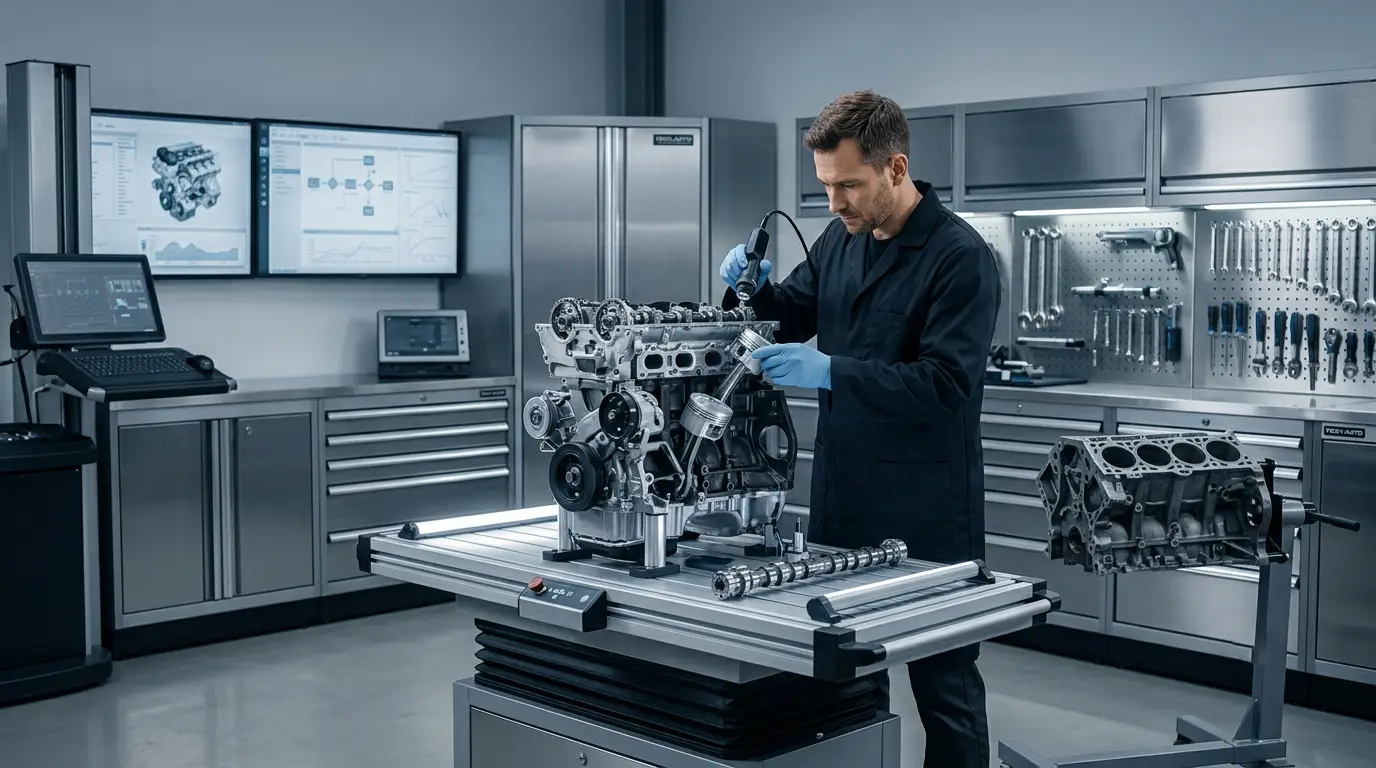
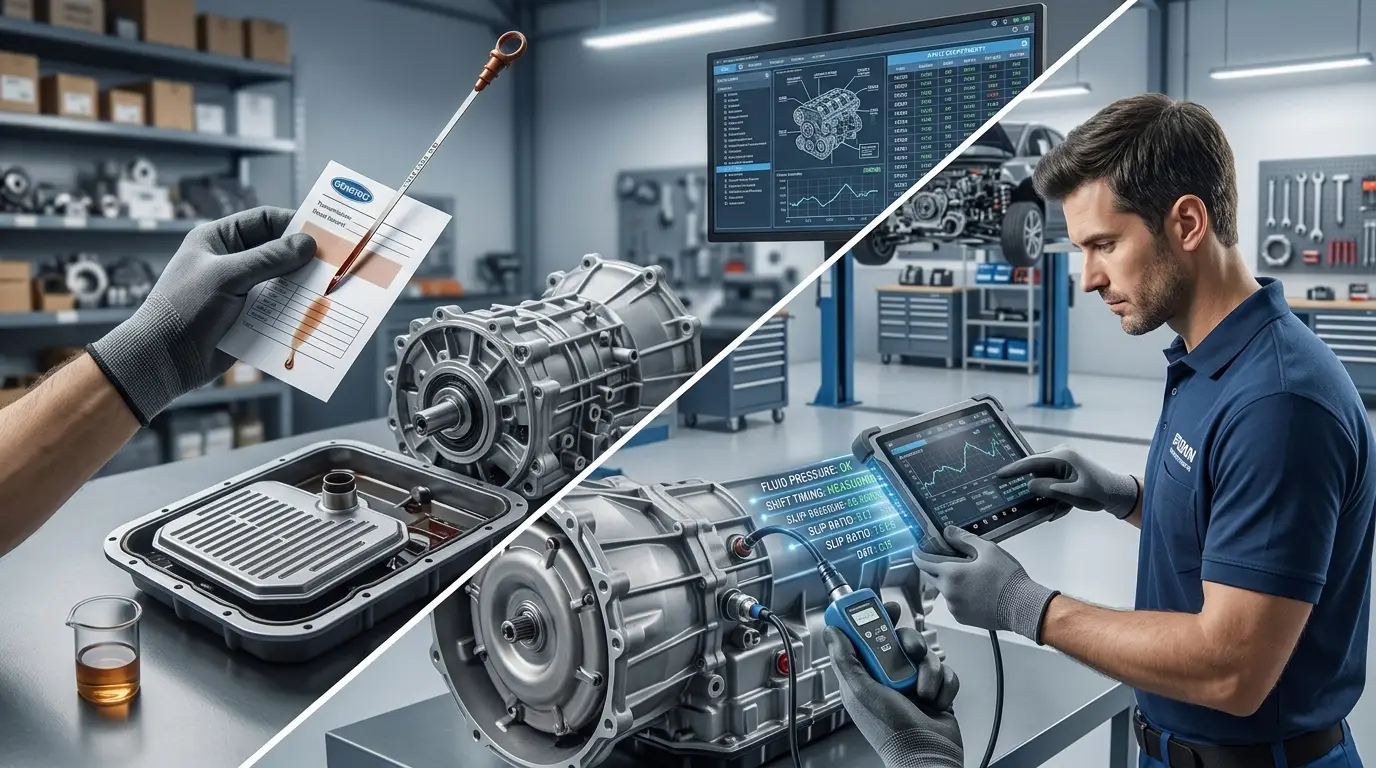
Never assume a used part has been tested. Always ask.
For engines, testing may include:
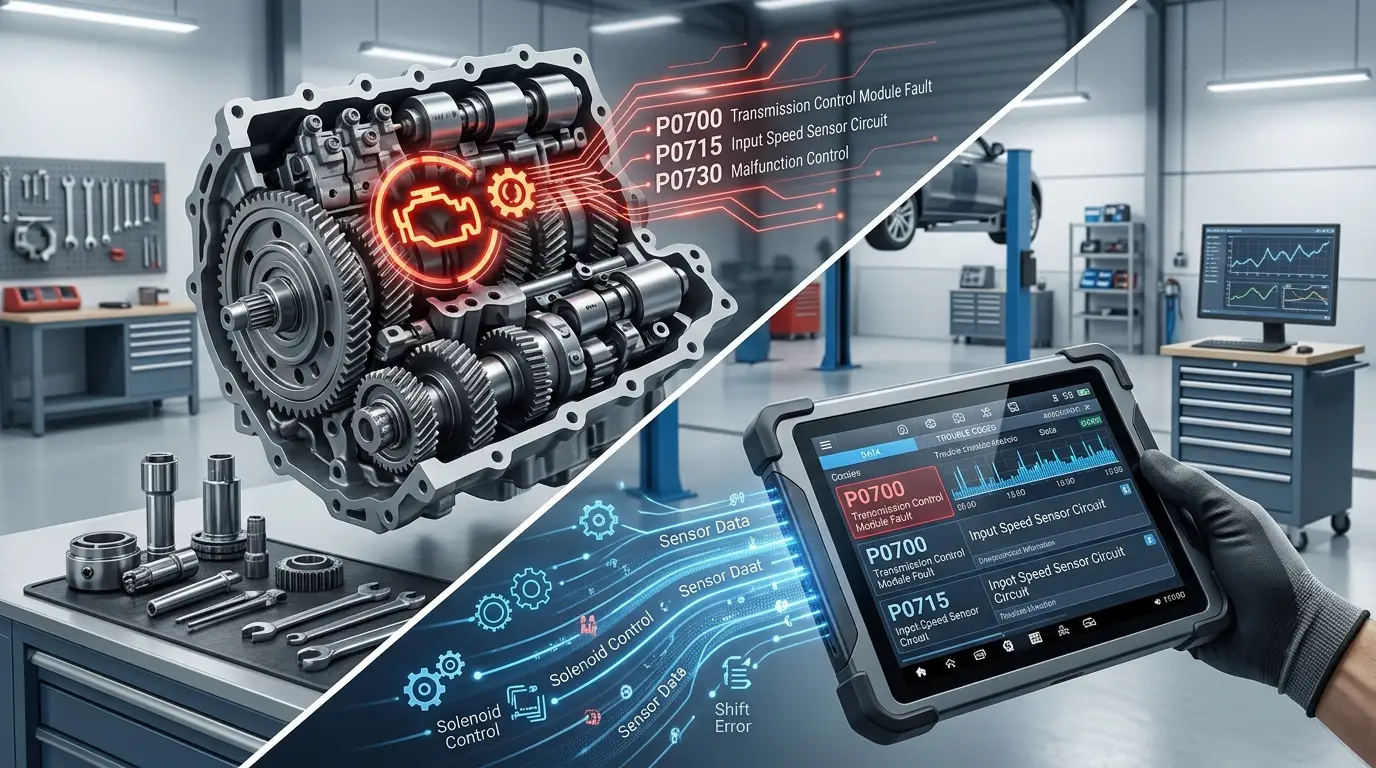
For transmissions, testing may include:
Ask how it was tested, not just if it was tested. Specific answers indicate professionalism and honesty.
This question can save your thousands on Engine & Transmission
A reputable seller often offers:
Ask what the warranty covers:
If there is no warranty at all, proceed with extreme caution. Even a short warranty shows confidence in the product.
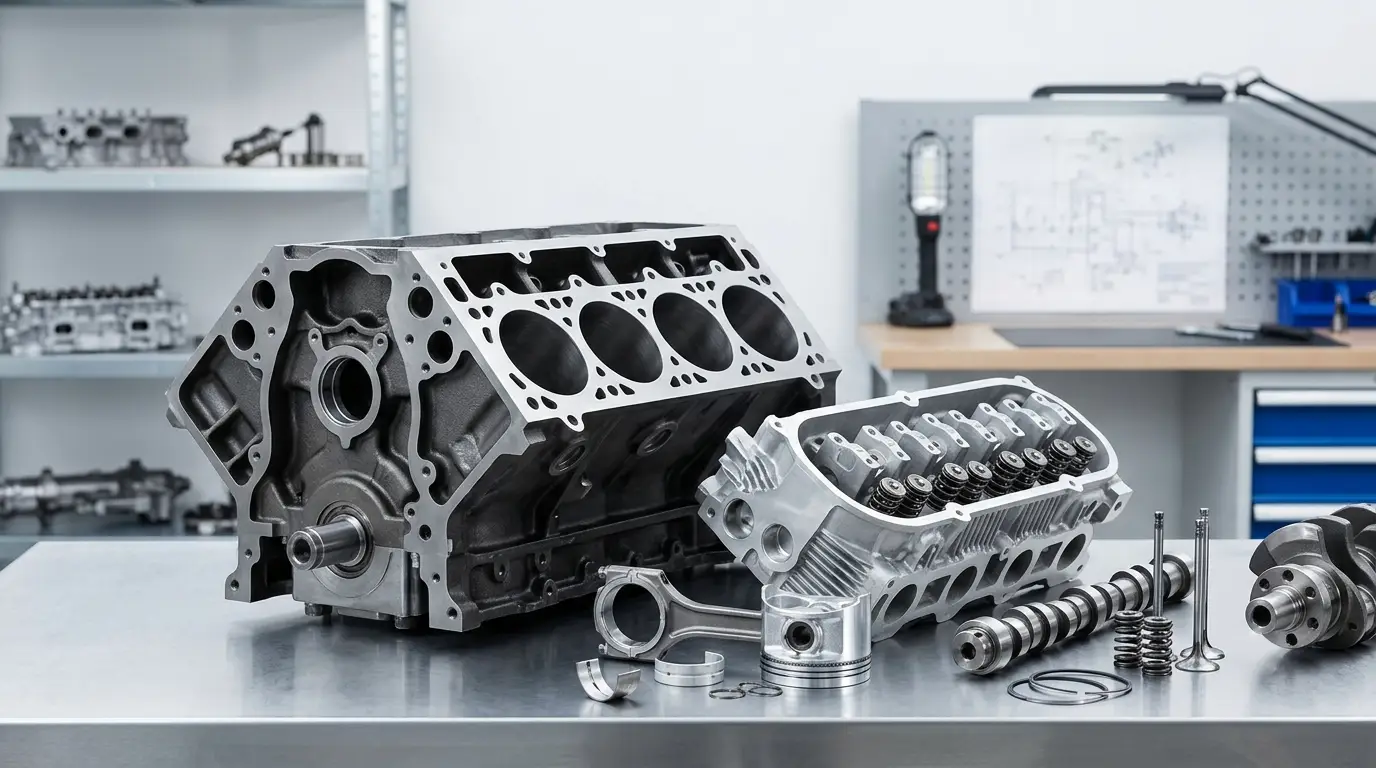
Not all used engines or transmissions are sold complete.
Ask whether it includes:
Missing components can quickly inflate your total cost. What looks like a bargain upfront may become expensive once you factor in additional parts.
This question tests the seller’s honesty.
Listen carefully to how they respond. Transparent sellers will disclose:
If a seller claims the part is “perfect” with no flaws whatsoever, that’s often unrealistic. Used parts almost always have some wear - the key is knowing whether it’s acceptable.
Rebuilt units can be either a blessing or a curse.
Ask:
A professionally rebuilt engine or transmission can be very reliable. A backyard rebuild with no records? Not so much.
Compatibility issues are more common than people expect.
Even within the same model, differences in:
can cause problems.
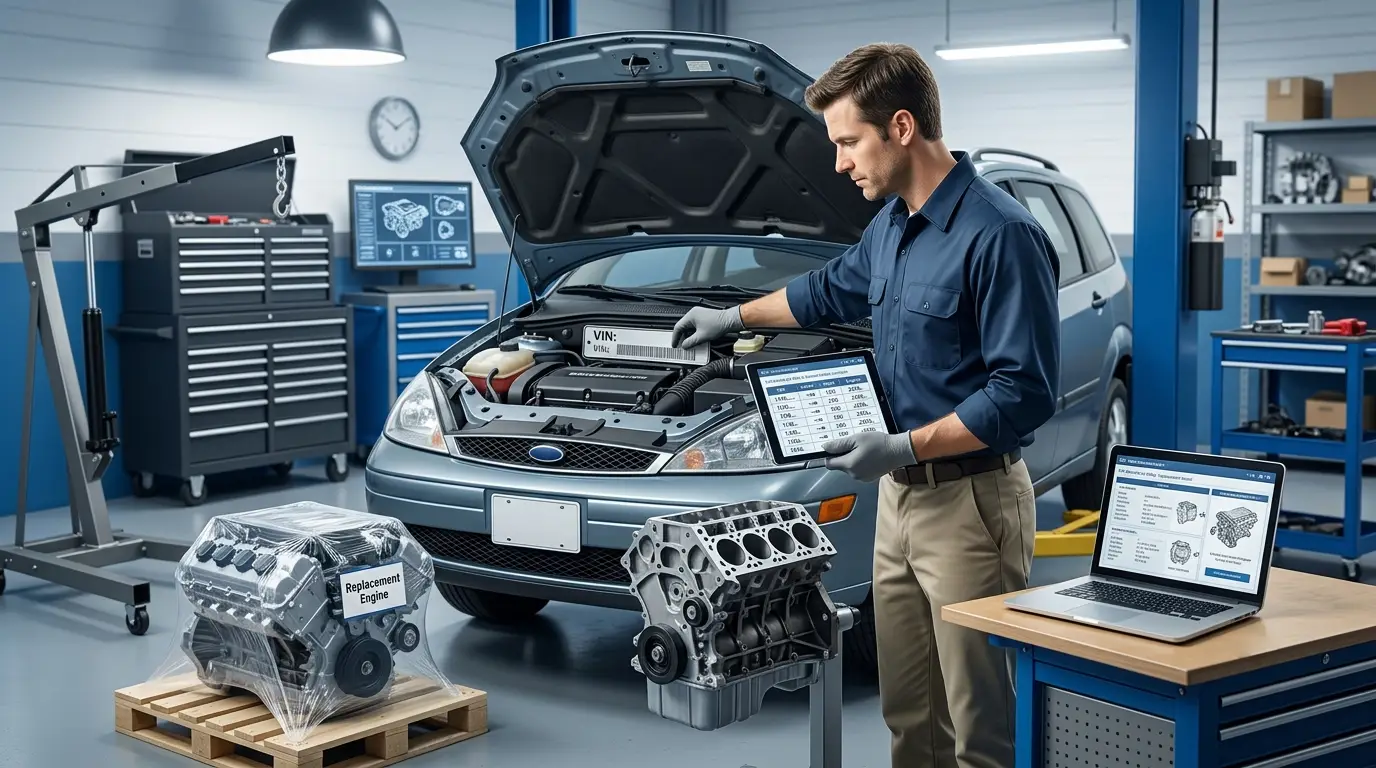
Always confirm fitment using:
Never rely solely on “it should fit.”
Stock photos don’t tell you much.
Ask for:
Visual evidence helps confirm condition and ensures the seller actually has the part in their possession.
Even with testing and warranties, things can go wrong.
Ask:
A fair return policy shows the seller stands behind their product.
Storage conditions matter more than people realize.
Poor storage can lead to:
Engines and transmissions should be stored indoors, sealed, and protected from moisture. If they’ve been sitting uncovered outdoors, think twice.
The purchase price is only part of the equation.
Ask about:
Also consider installation costs, which can sometimes exceed the price of the part itself.
If you’re buying from a business or online seller, reviews matter.
Look for:
A seller with consistent positive reviews is far less likely to disappear if something goes wrong.
Sometimes the biggest warning sign isn’t what’s said - it’s what isn’t.
If a seller avoids questions, rushes the sale, or gives vague answers, trust your gut. There will always be another engine or transmission available.
Buying a used engine or transmission doesn’t have to be risky - but it does require diligence. By asking the right questions about mileage, testing, warranty, compatibility, and history, you dramatically reduce the chances of costly surprises.
Think of it as an interview. The engine or transmission needs to earn your trust before it earns a place in your car. When you take the time to ask smart questions, you’re not just saving money - you’re protecting your vehicle’s future.
Yes, if it’s properly tested, compatible, and comes from a reputable seller with a warranty.
There’s no hard limit, but lower mileage with good maintenance history is always preferable.
It depends on cost, availability, and condition. Sometimes a used engine is cheaper and faster than rebuilding.
Many reputable sellers offer 30–90 day warranties, and some offer longer coverage.
Failing to verify compatibility and skipping questions about testing and warranty.